
Table of Contents
Apple has quietly refreshed its tracking hardware lineup while Tesla signaled a historic end to its legacy luxury vehicles, marking a week of significant shifts in the consumer technology landscape. Alongside these major moves, Samsung introduced its premium tri-fold smartphone to the US market, and Snap announced a corporate restructuring designed to bolster its augmented reality ambitions against Meta.
Key Points
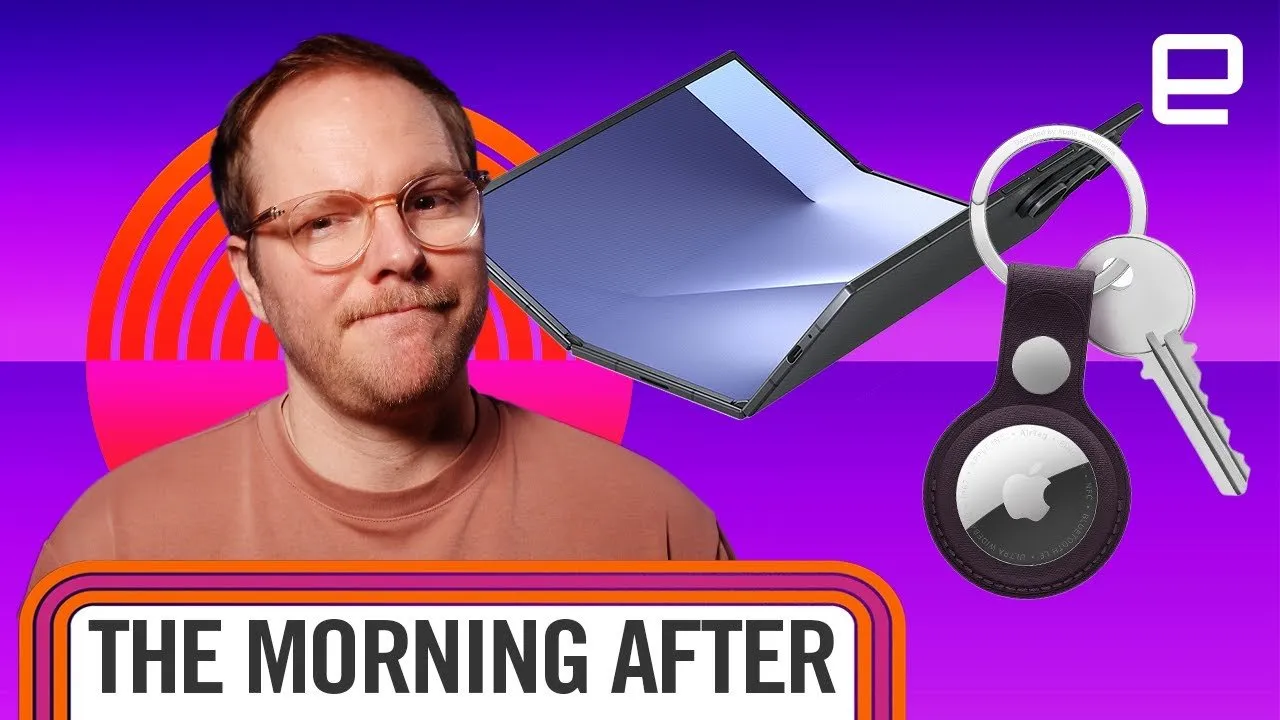
- Apple: The second-generation AirTag launched silently for $30, featuring the same Ultra Wideband chip found in the iPhone 17.
- Samsung: The Galaxy Z Trifold arrived in the US with a $2,900 price tag and a massive 10-inch unfolding display.
- Tesla: CEO Elon Musk announced plans to halt Model S and Model X production next quarter to focus on Optimus robot manufacturing.
- Snap: The social media giant spun off its AR hardware division into a new entity, "Specs, Inc.," to attract external investment.
Hardware Updates: Apple and Samsung
In a stealth launch that bypassed a traditional keynote event, Apple released its second-generation AirTag. The device, which arrives five years after the original, maintains the identical design of its predecessor—notably still lacking a built-in keyring hole. However, the internal upgrades are significant. The new tracker utilizes the same Ultra Wideband chip integrated into the iPhone 17 series, enabling a "Precision Finding" feature that can locate items from distances up to 50% further than the previous model. The device also features a louder speaker and is available immediately for $30.
Simultaneously, Samsung expanded the availability of its most ambitious foldable device yet. Following a December debut in South Korea, the Galaxy Z Trifold has officially landed in the United States. The device features a double-folding hinge mechanism that reveals an expansive 10-inch inner screen with an aspect ratio comparable to an iPad, diverging from the squarish displays typical of standard foldables.
Despite its complex mechanism, the Trifold measures 12.9mm thick when collapsed. While this is thicker than the current Galaxy Z Fold series, it remains thinner than Samsung’s original foldable attempt. The hardware includes a custom Snapdragon 8 chip and a 200-megapixel primary sensor. These premium specifications command a premium price: the device retails for $2,900.
Tesla Ends an Era to Build Robots
Tesla plans to cease production of its flagship Model S and Model X electric vehicles in the coming quarter. According to CEO Elon Musk, the decision aligns with the company's long-term pivot toward robotics.
The move reflects the changing realities of Tesla's sales mix. The newer, more affordable Model 3 and Model Y vehicles now constitute the vast majority of the company's automotive revenue. In the most recent period, Tesla delivered over 1.5 million Model 3 and Y units, compared to fewer than 450,000 Model S and X units combined.
Musk indicated that the manufacturing space currently dedicated to these legacy EVs will be repurposed. The company aims to manufacture one million Optimus humanoid robots in the reclaimed facility. However, industry analysts note that humanoid robotics remains a largely unproven product category compared to established electric vehicle markets.
Snap Restructures to Battle Meta
Snap is spinning off its augmented reality glasses division into a standalone entity named Specs, Inc. While Snap will retain full ownership, the structural change is designed to facilitate raising outside capital. This move comes as the company attempts to close the gap with Meta, which possesses significantly deeper resources for hardware development.
The competition in the smart eyewear sector is intensifying. Meta has shifted focus away from virtual reality to double down on AR glasses, with CEO Mark Zuckerberg noting that the company's smart glasses sales more than tripled in 2025. To compete, Specs, Inc. promises its upcoming hardware will be lighter, smaller, and more capable than previous developer-focused iterations.
As these companies pivot strategies—whether shifting from cars to robots or restructuring for AR capital—the coming quarters will determine if these gambles pay off in consumer adoption.


%20%243000%20Samsung%20foldable%2C%20Tesla%20shifts%20from%20old%20EVs%20to%20robots%20%7C%20Engadget%20TMA)