Table of Contents
If you spend any time on YouTube, you have likely noticed a shift in the thumbnails and titles presented to you. They are louder, brighter, and increasingly sensational. While it is easy to dismiss this trend as mere vanity or "selling out," the reality is far more systemic. The mechanics of why a video goes viral are inextricably linked to the psychology of creator burnout and the evolving architecture of the YouTube algorithm itself. By examining the relationship between platform incentives and creator behavior, we can uncover a "theory of everything" regarding how modern digital media functions.
Key Takeaways
- The algorithm chases the audience: YouTube’s recommendation engine is not a static judge of quality; it constantly adapts to changing viewer behaviors, forcing creators to chase a moving target.
- Expertise is impossible: Unlike stable environments like chess, YouTube is a "wicked" learning environment where the rules change constantly, leading to superstitious behaviors and burnout among creators.
- The decline of subscriptions: The platform has moved away from a subscription-based model to a recommendation-based model, mirroring the shift from subscription newspapers to sensationalist "yellow journalism."
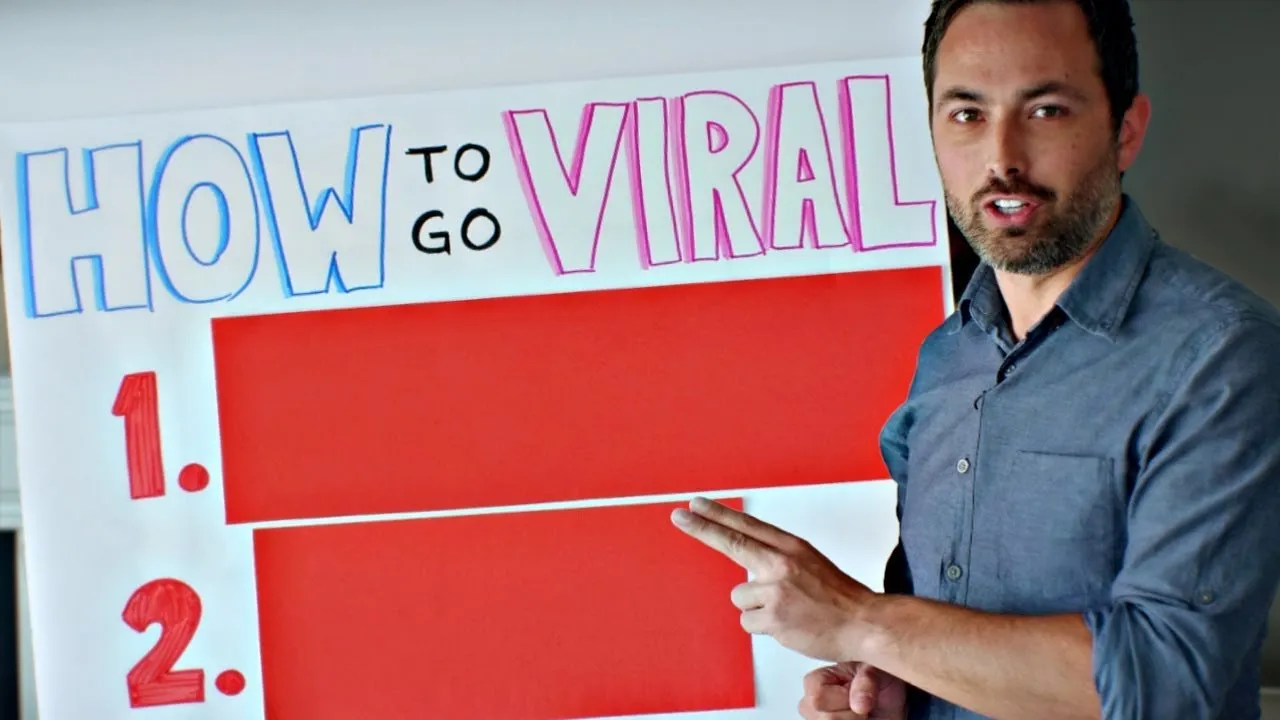
- The viral formula: Virality is essentially a function of two metrics: high average watch time and a high Click-Through Rate (CTR).
- Optimization is mandatory: "Clickbait" is often an existential necessity for channel survival, as low CTR leads to algorithmic burial regardless of video quality.
The Psychology of Creator Burnout and the "Caged Pigeon" Effect
To understand why videos go viral, we must first look at the creators making them. Recently, there has been a wave of high-profile YouTubers discussing burnout. While some critics dismiss this as entitlement, the phenomenon is rooted in the psychological impact of the platform's volatility.
The core issue lies in the inability to develop true expertise. According to Nobel Prize-winning economist Daniel Kahneman, developing expertise requires a reliable environment where the rules do not change suddenly. Chess is a prime example: the board and the moves remain constant, allowing a player to master the game through deliberate practice.
YouTube, however, offers no such stability. The algorithm is perpetually updated, meaning a strategy that worked last month may fail today. This creates an environment similar to B.F. Skinner’s famous operant conditioning experiments with pigeons.
"In the experiment... they disconnected the lever from the food output and just supplied food into the cage at random. What did the pigeons do? They started to do the types of behaviors that they were doing when the food appeared... engaging in superstitious behaviors because they had related some sort of cause and effect, but there actually wasn't a cause and effect there."
Creators often act like these pigeons. When views drop, they search for a correlation where none exists, assuming their video quality has declined when, in reality, the system has simply shifted. This inability to reliably predict success despite hard work is a primary driver of anxiety and burnout in the creator economy.
The Algorithmic Feedback Loop
A common misconception is that the algorithm dictates what is popular. In reality, the relationship is circular. The algorithm attempts to mirror the audience's desires, chasing them across the platform to see what they engage with. Simultaneously, creators chase the algorithm, attempting to reverse-engineer what will be promoted.
This dynamic creates a scenario where the algorithm essentially becomes the content. Consider a thought experiment: if YouTube decided tomorrow that it wanted to promote videos about snails, it wouldn't need to commission them. It would simply need to tweak the code to favor "snail" in titles. Overnight, the front page would fill with snail content, and creators—seeing the trend—would pivot to meet the demand.
This feedback loop explains why content trends across different channels often look identical. Educational channels like Veritasium, Numberphile, and AsapSCIENCE often see correlated dips and spikes in traffic not because they coordinate their schedules, but because the algorithm’s favor serves as a rising or falling tide for entire genres.
The Viral Formula: Watch Time and CTR
Through discussions with top creators like MrBeast, the mechanics of virality can be distilled down to two specific data points. It is not magic; it is math.
1. Average Watch Time
The first requirement is retaining the viewer. YouTube’s goal is to keep users on the platform as long as possible. Therefore, a video needs a significant average view duration—ideally around seven to eight minutes. To achieve this average, the video itself usually needs to be roughly 15 minutes long. This explains the trend of videos stretching from short 3-minute clips in 2011 to the longer-form documentaries prevalent today. The platform incentivized length, and creators responded.
2. Click-Through Rate (CTR)
The second, and perhaps more volatile metric, is the Click-Through Rate. This represents the percentage of people who see a thumbnail and choose to click it. The difference between a modest success and a viral hit often lies in a few percentage points here.
As the CTR approaches 10%, 20%, or 30%, the volume of impressions the algorithm grants the video skyrockets. This creates a "winner-takes-all" environment where the packaging of the video—the title and the thumbnail—is arguably more important than the video itself. A masterpiece with a boring thumbnail will never surface to the "tip of the iceberg" where the audience can find it.
The Shift to "Yellow Journalism"
Historically, YouTube relied heavily on the subscription model. If a user subscribed to a channel, they saw that channel's videos. This created a rich-get-richer cycle where large channels dominated indefinitely. To break this stagnation and increase overall site engagement, YouTube diminished the power of subscriptions, moving toward a recommendation-heavy model.
This shift has profound implications for content style. It mirrors the evolution of the newspaper industry. When newspapers are sold on the street corner, they rely on "yellow journalism"—sensational headlines and shocking imagery designed to trigger an impulse buy. It is only when a newspaper relies on a subscription model that it can afford to be sober, nuanced, and less sensational, because the audience is already secured.
"Moving away from subscriptions moves YouTube back to what it was like to sell newspapers on the street... You have to serve up really sensational news items."
Because YouTube has de-emphasized subscriptions, every video is effectively being sold on the street corner. Creators are forced to fight for attention anew with every single upload. This necessitates "clickbait"—or at least highly optimized, curiosity-inducing packaging—not as a deceptive tactic, but as a survival mechanism. If a thumbnail is not weaponized to grab attention, the video is likely to be buried.
The Future: Optimizing for Satisfaction
While the current landscape prioritizes high-adrenaline clicks, the algorithm is not static. YouTube has recognized that high click-through rates and watch times do not always equate to user happiness. Clickbait can lead to "regretful clicks," which hurts the platform's long-term retention.
The emerging metric for the future is "long-term satisfied watch time." This includes three components:
- Retention: Do viewers return to the channel over months?
- Duration: Are they watching for long periods?
- Satisfaction: How do they rate the content in post-viewing surveys?
By integrating user surveys and satisfaction scores, the goal is to move beyond visceral, click-driven engagement toward content that genuinely fulfills the audience. Until that shift is fully realized, however, creators remain locked in a high-stakes arms race for your attention, one thumbnail at a time.
Conclusion
The phenomenon of viral videos is the result of a complex interplay between human psychology and machine learning. As the algorithm optimizes for engagement, it unintentionally incentivizes sensationalism and contributes to creator burnout by removing the stability required for true expertise. While the term "clickbait" carries a negative connotation, it is the rational response to a system that functions like a digital newsstand, demanding immediate attention in a sea of infinite content.
For viewers, the only way to bypass this algorithmic filtering is to proactively signal interest—using features like the notification bell—rather than passively waiting for recommendations. For the platform, the hope lies in shifting metrics from raw attention to genuine satisfaction, potentially creating a healthier ecosystem for creators and audiences alike.