Table of Contents
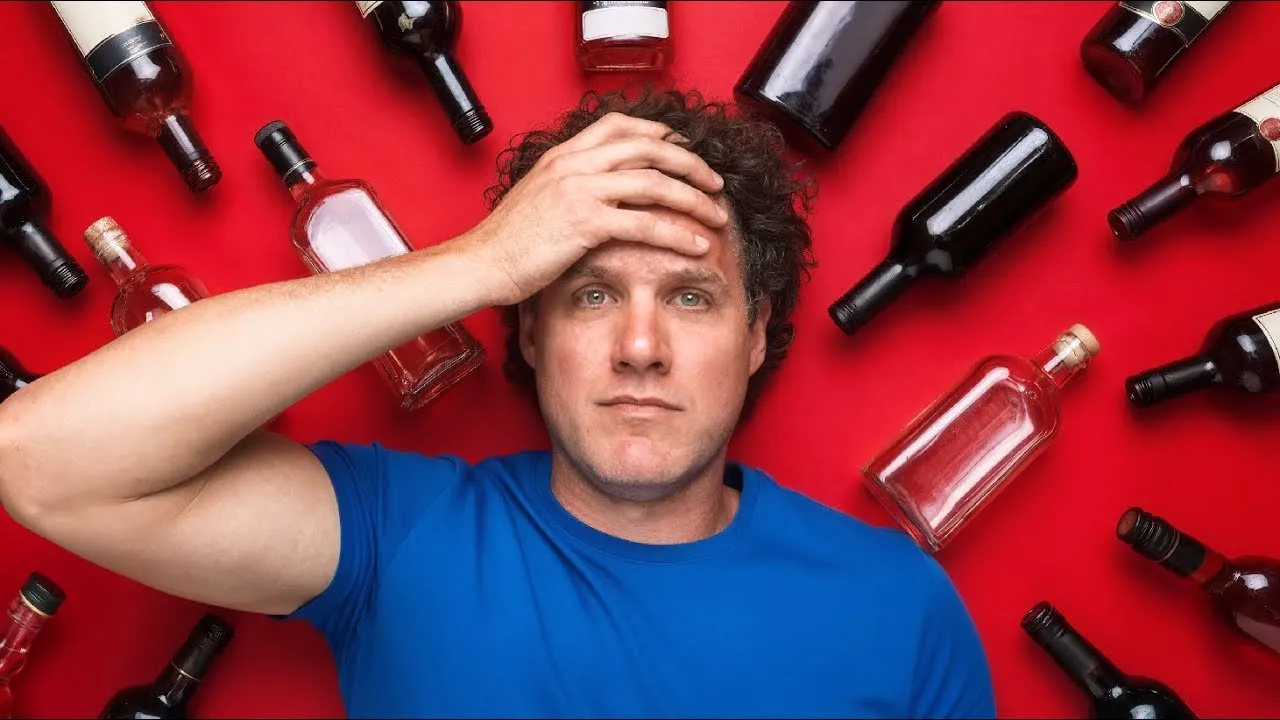
For fifteen years, alcohol was not just a beverage; it was a consummate part of my existence. It was my entertainment, my social lubricant, and eventually, my identity. From late-night binges and cheap beers to fine wines and expensive whiskey, drinking was the backdrop against which I painted my life. Then, about three years ago, I stopped.
This is usually the part of the story where the narrator promises that quitting alcohol is the silver bullet to all of life's problems. And in some ways, it was. The purported health and productivity benefits are absolutely true. I lost weight, my mind cleared, my temper evaporated, and my energy skyrocketed. But as I passed the 1,300-day mark of sobriety, I realized that the narrative is far messier than the self-help brochures suggest.
Sobriety didn't just fix my health; it peeled back layers of an "identity onion" that I wasn't entirely prepared to address. It called into question my assumptions about who I am, how I connect with people, and whether the "better" version of me was actually the sober one. This isn't a standard victory lap; it is a raw look at the complicated, confusing, and contradictory reality of giving up your favorite vice.
Key Takeaways
- The Physical "Honeymoon" is Real but Finite: The first six months of sobriety offer massive, tangible benefits in sleep, fitness, and mental clarity, often creating a false sense that all life problems are solved.
- The "Identity Onion" Effect: Sobriety reveals that many hobbies, friendships, and personality traits were contingent on alcohol, leading to a profound identity crisis between months 6 and 18.
- Compulsion Transference: Removing one compulsive behavior (drinking) often results in the brain seeking new outlets, such as workaholism, social media addiction, or obsessive sports fandom.
- The Extrovert Illusion: Many people who believe they are naturally adventurous social butterflies may actually be introverts who used alcohol to chemically alter their personality for decades.
- The Wellness Hypocrisy: Modern culture stigmatizes moderate drinking while glorifying other mood-altering substances (nootropics, microdosing) under the guise of "productivity," ignoring the social utility of alcohol.
The High-Functioning Trap and the Vanity Trigger
There is a profound irony in how we view alcoholism. Because the condition is so heavily stigmatized, characterized often by rock-bottom lows and ruined lives, it is incredibly easy for high-functioning drinkers to live in denial. Aristotle wrote, "You are what you do repeatedly." I got drunk repeatedly, yet I refused to adopt the label.
For 15 years, alcohol was the sweet cornmeal of whiskey, a sun-kissed voltage dancing upon my tongue. It quelled anxieties and stoked passions. Because I was a "happy drunk"—someone who became more interested in food, music, and people after a few drinks—I never viewed my five-to-ten drinks a night as a crisis. It wasn't interfering with my day-to-day function, or so I told myself.
The breaking point wasn't a DUI or a ruined marriage; it was vanity. By 2020, at age 35, I was experiencing chest pains and had become visibly overweight. While I eventually lost significant weight through diet and exercise, I hit a plateau. I was tracking every calorie in MyFitnessPal, yet deliberately skipping breakfast to "save" calories for four whiskey sours at night.
The Financial Wake-Up Call
The denial finally shattered during a business event in the summer of 2022. I had paid thousands of dollars to attend a high-level conference. Instead of networking or learning, I spent the first night drinking tequila with strangers I couldn't remember the next day. I was so hungover that I missed the first day of the event entirely. Waking up drunk in a hotel room, having wasted $5,000 to be unconscious, provided the clarity that years of health warnings hadn't. I texted my health coach and committed to 30 days of sobriety.
The Honeymoon Phase vs. The Long Tail
When you first quit drinking, you enter a "honeymoon period" that typically lasts three to six months. This is the phase most "I quit drinking" videos focus on because the results are immediate and undeniable.
"I felt like I’d been moving through my whole life with a 20-pound backpack on, and suddenly it was gone."
The weight melted off. My sleep scores improved. My workouts went from three days of struggle to five days of peak performance. I felt an ambition I hadn't recognized since my early twenties. It felt like I had unlocked a cheat code for life. But as I moved past the six-month mark, the second-order effects began to settle in.
The Boredom Vacuum
Alcohol had been deeply enmeshed with my appreciation of art, music, dining, and socialization. Without the chemical filter, I realized that many of the shows I watched weren't actually funny. The friends I partied with didn't have much to say to me, and I had nothing to say to them. The hobbies I thought I loved were just excuses to drink.
This led to a confused period between month 6 and month 18. I attempted to fill the void with "healthy" alternatives—tennis, surfing, running, classes. I expected a new, improved version of myself to emerge like a butterfly from an alcohol-encrusted chrysalis. But that isn't what happened.
The Personality Reversion and Compulsion Transfer
The most disorienting aspect of long-term sobriety has been the realization that my personality may have been chemically constructed. The narrative I told myself was that I had transformed from a socially anxious, video-game-obsessed teenager into a world-traveling, adventurous social butterfly through sheer force of will and personal development.
Sobriety suggests a different, darker possibility: Maybe it was just the alcohol.
Without the booze, I have reverted to my factory settings. I am far more introverted. I am less curious about new people and less excited by new adventures. I am perfectly content to stay home and obsess over niche projects. The "social butterfly" didn't evolve; he was just a drunk introvert.
Replacing the Dopamine
Furthermore, removing alcohol didn't cure my compulsive nature; it merely displaced it. The brain seeks homeostasis, and without the reliable dopamine hit of whiskey, I found myself becoming compulsive about other things:
- Workaholism: My drive to work became manic.
- Social Media: My screen time increased as I sought micro-doses of stimulation.
- Sports: I developed a strange, sudden obsession with sports, a domain I previously cared little about.
This suggests that while the substance is gone, the underlying psychological architecture that seeks escapism and intensity remains intact.
The Wellness Hypocrisy and the Case for Alcohol
Living in West LA offers a front-row seat to a peculiar cultural hypocrisy. The same people who demonize alcohol as a poison are often heavily reliant on other substances—microdosing psychedelics, vaping nicotine, consuming cannabis edibles, or injecting peptides and NAD+.
The distinction is purely branding. When someone takes mushrooms or injects peptides, they frame it as "biohacking," "personal growth," or "anxiety management." It is viewed as productive. Conversely, alcohol is viewed as destructive. But this ignores the valid "nootropic" effects of alcohol.
"If you show up with a beer in your hand, people judge you. But what about the nootropic effects of beer? It makes you more curious about other people. It removes inhibitions. It fosters connection."
In a hyper-individualized world, alcohol is perhaps the last shared substance that facilitates genuine, messy human connection. By removing it, I have become healthier, yes—but also more isolated, more rigid, and less connected to the communal flow of life.
Conclusion: The Moderation Dilemma
I am now wrestling with a controversial thought: Was alcohol underrated? While the science is clear that no amount of alcohol is "healthy" for the liver or brain cells, we must ask if it serves a function for the quality of life.
I look back at the last year—a stressful period where my social connections frayed—and wonder if a glass of wine would have helped. Would I have bonded better with friends? Would I have been more present on date nights? There is a possibility that strict sobriety optimizes the biological machine while starving the social animal.
However, the danger lies in the lack of self-trust. Ernest Hemingway once said, "I don't trust a man who doesn't drink because a man who doesn't drink doesn't trust himself." I used to think that was a cool quote. Now, I realize it's a warning. I don't drink because I don't know if I can do it moderately. I have never been a moderate drinker. And until I can solve that equation, the complicated relationship continues.