Table of Contents
Mobile World Congress (MWC) 2026 has transformed Barcelona into a global hub for hardware innovation, drawing nearly 3,000 exhibitors and over 100,000 attendees. While traditional smartphone dominance remains, this year’s show reveals a distinct shift toward modularity, humanoid robotics, and hardware experimentation that pushes the boundaries of conventional mobile design.
Key Points from MWC 2026
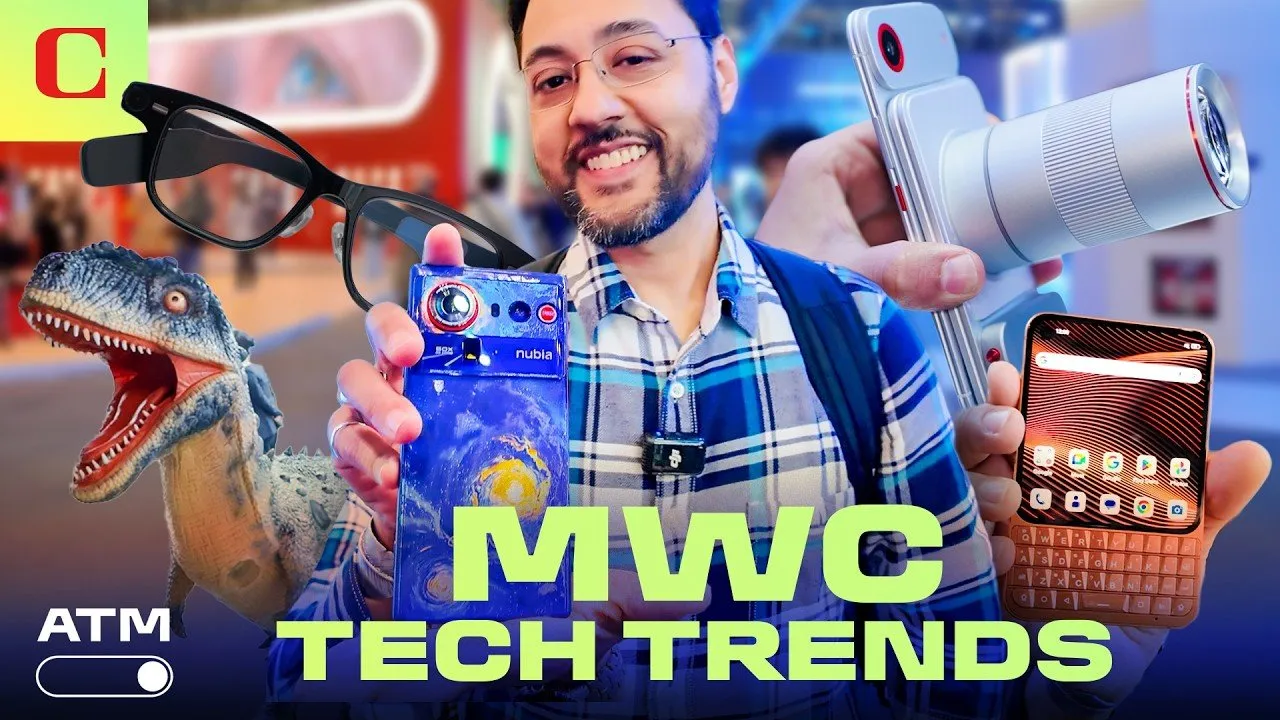
- Modular Hardware: Companies like Lenovo and Tecno are prioritizing user-swappable components, allowing for hardware customization ranging from replaceable ports to snap-on telephoto lenses.
- Experimental Design: Manufacturers are aggressively differentiating their products with unique features, such as Honor’s gimbal-mounted cameras and Nubia’s artistic, color-shifting aesthetic finishes.
- Humanoid Integration: Robotics have moved from fringe exhibits to central attractions, with autonomous systems—including a high-end 24,000-euro robotic dinosaur—signaling a shift toward consumer-facing automation.
- Infrastructure Evolution: Industry leaders including Qualcomm have begun mapping out the next generation of connectivity, with early discussions focusing on the massive capacity gains expected from 6G, Wi-Fi 8, and Bluetooth 7.
The Rise of Modular and Experimental Mobile
In a saturated market, smartphone manufacturers are betting that "weird" is the key to consumer attention. Honor introduced a device featuring a gimbal-mounted camera assembly, allowing for physical tilting and movement without manipulating the phone itself. Similarly, Tecno debuted the Atom phone, which utilizes magnetic modules to let users snap on external power banks or specialized camera lenses, effectively turning a slim handset into a multipurpose tool.
Modularity extends into the PC space as well. Lenovo’s new ThinkBook modular AI PC concept challenges the "one-size-fits-all" laptop design. The device allows users to detach the keyboard, swap out physical ports—including USB-C, USB-A, and HDMI—and reconfigure the screen layout, catering to power users who require specific hardware setups for professional presentations or creative workflows.
"Modularity was another huge trend we saw on Mobile World Congress. You know, people are using the devices in ways they were never intended to. So why have a one size fits all approach?"
Robotics and AI-Driven Wearables
Beyond mobile handsets, robotics and ambient computing took center stage. The show floor featured a wide array of humanoid robots, ranging from culinary automation systems to interactive units. Perhaps the most notable display was a fully autonomous, rubberized dinosaur robot, now available for commercial purchase at a price point of 24,000 Euros.
Practical AI also found a new home in smart eyewear. Multiple exhibitors demonstrated lightweight, stylish glasses that leverage AI to translate spoken language in real-time, projecting text directly onto the lens for the wearer. This "invisible" interface aims to bridge language barriers while maintaining a discreet, non-obtrusive form factor that distinguishes it from bulky head-mounted displays of the past.
The Persistent Shadow of the Absent
Despite Apple’s absence from the convention floor, the company remained a central point of reference for competitors. Throughout the event, manufacturers ranging from Xiaomi to Honor frequently benchmarked their latest hardware against the iPhone 17 series and the MacBook, particularly regarding battery efficiency and system performance. This competitive positioning suggests that Apple’s influence remains a primary driver of the industry's design and engineering goals, even when the company is not actively participating in the event.
Looking ahead, the focus shifts toward the foundational infrastructure that will support these advanced devices. As Qualcomm and other network providers pivot toward 6G and the next iterations of wireless standards, the industry goal is clear: eliminating connectivity dead zones and providing the high-capacity, low-latency infrastructure required for an increasingly robotic and modular future.


![Banks Just Lost! XRP Holders Need To See This [NOW]](/content/images/size/w1304/format/webp/2026/03/kraken-fedwire-access-xrp-implications.jpg)