Table of Contents
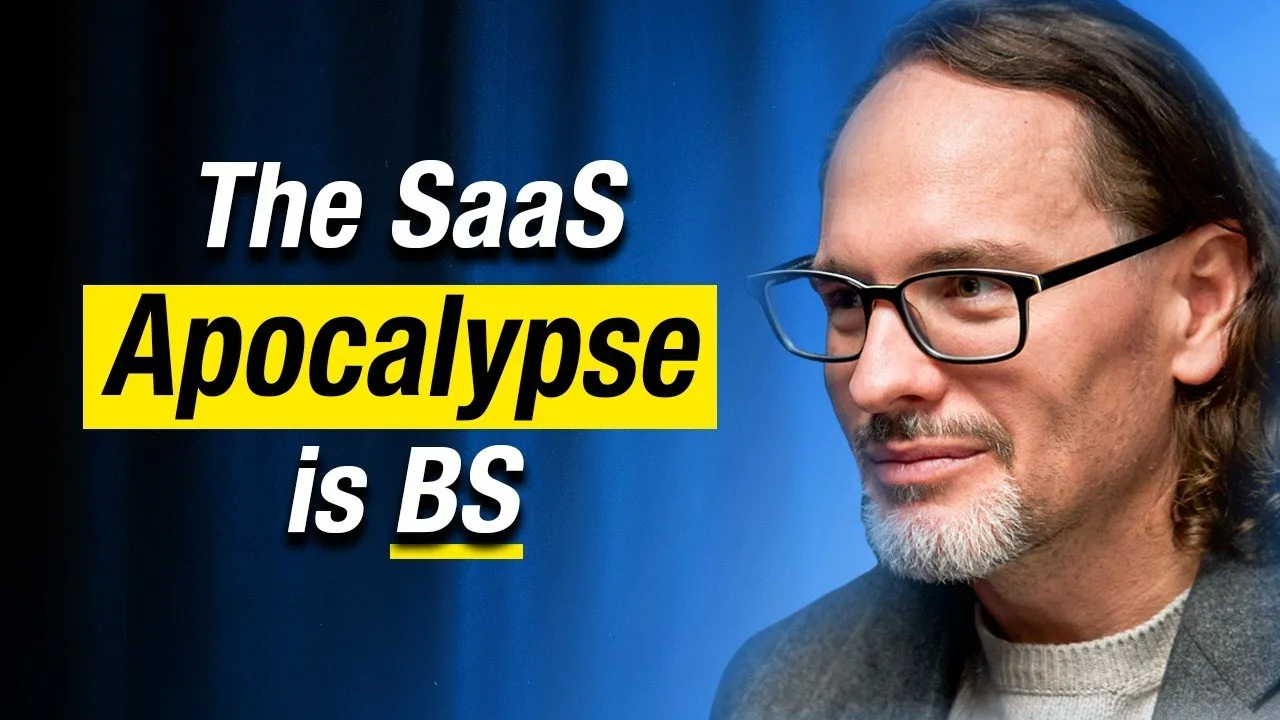
In the high-stakes world of venture capital, where "framework thinking" and buzzwords often mask a lack of fundamental discipline, Mitchell Green of Lead Edge stands out as a pragmatic contrarian. Having led investments in powerhouses like Alibaba, ByteDance, and Grafana, Green brings a battle-tested perspective to the current "SaaS apocalypse" and the explosive, often irrational, growth of artificial intelligence. According to Green, the industry is currently saturated with "tourists"—investors who fail to prioritize liquidity and sound valuation, setting themselves up for a harsh correction.
Key Takeaways
- The Venture Saturation Problem: Approximately 50% of current venture capitalists add negative value to their portfolio companies by fueling unsustainable burn rates and ignoring price discipline.
- Liquidity is Non-Negotiable: Buying is glamorous, but selling is the actual job of an investor; failing to secure DPI (Distributed to Paid-In capital) limits a firm's longevity.
- The China AI Advantage: China possesses structural advantages in power resource consumption and technological R&D that position it as a major, often underappreciated, contender in the global AI race.
- Focus on Gross Dollar Retention: For software companies, gross dollar retention is the single most important metric, serving as a primary indicator of long-term health and efficiency.
- The Coming Downturn: Market cycles are inevitable. A significant downturn in the next decade will likely provide the best investment opportunity for disciplined firms that maintain liquidity.
The "SaaS Apocalypse" and Market Realities
There is a growing sentiment that the software industry is undergoing a permanent shift. However, Green argues that the current downturn is a correction of inflated expectations rather than the death of SaaS. Incumbents with established distribution, robust data, and healthy balance sheets are not going away. The companies currently struggling are those that were built on "triple-triple-double-double" growth expectations that have since collided with the law of large numbers.
Why Founders Must Lead
Green remains unwaveringly negative on companies where the founder is no longer the CEO. In periods of massive technological transformation, firms need a growth mindset, not a margin-preservation mindset. Founders who built their businesses from the ground up are more likely to make the "bet-the-company" moves required to adapt to AI, whereas management teams focused solely on quarterly earnings are often hamstrung by short-term pressures and corporate leverage.
"It is a fool's errand to think all these companies are going to go away. That being said, in any period when there is big periods of disruption, there will be new companies that are created, there will be incumbents that thrive and adapt, and there will be some incumbents that blow up." — Mitchell Green
The China Factor in the AI Arms Race
While the Western world often overlooks the pace of innovation in the East, Green views ByteDance as the most advanced AI company globally. He cautions against discounting China's potential to dominate the AI landscape. Their systemic ability to scale infrastructure—specifically power generation—provides them with a distinct edge in training large models.
Structural Advantages
Beyond raw computing power, China’s cultural emphasis on science and engineering, combined with their ability to execute massive infrastructure projects, poses a legitimate challenge to Western tech dominance. Green suggests that investors who dismiss Chinese tech because of geopolitical noise are missing a crucial pillar of global AI development.
The Discipline of Selling and DPI
A core tenet of Green's philosophy is that the job of a VC is not just to invest, but to return capital. The "casinoization" of public markets—where research reports can swing billions in value overnight—makes disciplined selling even more critical. He warns that venture funds that fail to return capital through secondary sales or timely exits will eventually find themselves excluded from future opportunities.
Navigating the Secondary Market
For newer funds, the secondary market is a vital tool. Green encourages managers to be transparent with entrepreneurs: selling a portion of their stake isn't a sign of weakness; it is a necessary step to secure the firm’s future so they can continue to support the company for years to come.
"Buying is glamorous. Selling is the job. Constantly under-underwrite that is actually what it really is. We're trying to make 2 to 5x in three to seven years." — Mitchell Green
Productivity and the Future of Work
Despite fears of mass unemployment caused by AI, history suggests that technological progress drives productivity booms that ultimately create new job categories. Green notes that large enterprises are more likely to retrain existing staff than to conduct mass layoffs. The real challenge, he suggests, is not job loss but the potential for local community pushback against the massive, resource-hungry data centers required to power the AI revolution.
Conclusion
Ultimately, Mitchell Green's outlook is one of tempered optimism backed by rigorous math. While the current venture landscape is littered with inflated valuations and inexperienced players, the coming years will present rare opportunities for those with the cash and discipline to act. By focusing on fundamental earnings, maintaining liquidity through active secondary management, and ignoring the noise of the "casino" markets, investors can navigate the inevitable downturns and emerge in a position of strength when the next cycle begins.

![Will The Crypto Rally Actually Continue? [These Are My Picks]](/content/images/size/w1304/format/webp/2026/03/will-the-crypto-rally-continue-my-picks.jpg)