Table of Contents
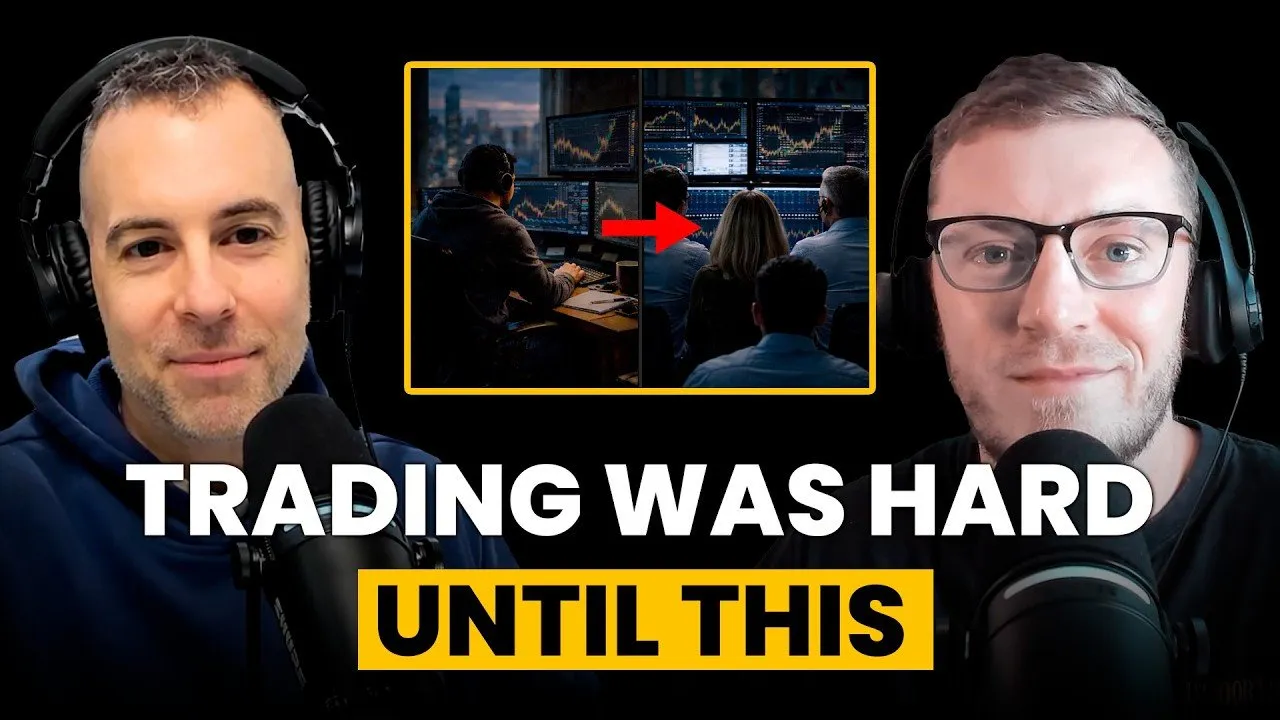
For many traders, the quintessential image of success is the "lone wolf"—a single operator sitting in front of a flickering screen, deciphering the market's secrets in total isolation. This romanticized version of trading, often inspired by figures like Jesse Livermore, lures many newcomers into the industry. However, the reality for elite traders is often far more collaborative. High-performance trading is rarely the result of a single brilliant mind working in a vacuum; instead, it is the product of diverse skill sets merging to form a cohesive unit.
Key Takeaways
- Collaboration over isolation: Building a trading "pod" allows you to leverage diverse cognitive strengths, such as data analysis, rapid execution, and narrative understanding.
- Strategic alignment: Successful teams share core playbooks and processes while maintaining distinct areas of expertise to avoid conflicting strategies.
- The power of communication: High-performing teams thrive on radical clarity, specifically in articulating conviction levels and the reasoning behind trade ideas.
- Infrastructure matters: Utilizing shared tools and workspaces, like Notion or dedicated Discord channels, allows teams to pool research and accelerate collective learning.
The Myth of the Lone Wolf Trader
While the "lone wolf" narrative persists, many of the most successful trades executed at professional firms are born from collaboration. One trader might spot a technical signal, another digs into the fundamental catalyst, and a third monitors the order flow. This synthesis transforms a small idea into a fully formed, high-conviction trade. You do not need to be an elite performer in every single category to be a successful trader. Just as an NBA team doesn't require every player to be a star scorer, a trading team relies on individuals who excel in their specific roles—whether that is risk management, idea generation, or execution.
"The best trades I've ever been a part of didn't come from one brilliant idea. They came from collaboration."
Building Your Trading Pod
If you are currently trading alone, forming a pod requires intentional effort. It is not about simply finding someone who trades the same way you do; it is about finding someone who complements your gaps. When seeking partners, look for individuals who are hungry, decisive, and willing to put in the work. You can begin this process by participating in industry summits, engaging in professional communities, or enrolling in mentorship programs where you are surrounded by like-minded, serious market participants.
Complementary Strengths and Roles
When forming a team, you should aim to cover three vital bases: technological aptitude (coding, backtesting, and data analysis), market feel (identifying which instruments are in play and why), and execution discipline (timing, risk management, and sizing). Avoid cloning yourself. If you are a quantitative thinker, look for a partner with strong discretionary instincts. The goal is to create a dynamic where the total is greater than the sum of its parts.
Overcoming the Pitfalls of Collaboration
Not every team succeeds. The most common cause of failure in a trading pod is a lack of alignment on process. If one partner prefers high-frequency scalping while the other favors patient, high-conviction "fat pitch" setups, the lack of a defined system can lead to overtrading and inconsistent results. Effective collaboration requires the courage to say "no" to a partner's trade idea if it doesn't meet the team's agreed-upon criteria. This is not about groupthink; it is about maintaining standards.
"It was like death by a thousand cuts where we ended up just kind of overtrading the account to its end."
The Critical Role of Radical Communication
Communication failures are often the silent killers of professional teams. Borrowing from organizational psychology, we can look at the catastrophic failure of the Mars Climate Orbiter—a disaster caused by two teams failing to communicate basic information that seemed "obvious" to each side. Traders often fall into the same trap, assuming their team members interpret market data exactly as they do. To avoid this, you must move beyond vague updates. Instead of saying, "This stock looks strong," specify why it is relevant, the level of your conviction, and the specific market narrative it supports.
Leveraging Shared Infrastructure
Collaboration shouldn't be limited to real-time conversation. Successful pods utilize a common workspace to log trade reviews, track catalysts, and build a collective book of charts. By pooling 160 examples of a trade instead of 40, a team learns at an exponential rate. When you review trades together, you move away from personal biases and toward objective, systematic improvement.
"My job is to bring the strengths out of everybody else. I'm more of an organizer and a facilitator."
Ultimately, the transition from lone wolf to team player is a shift in mindset. If you are worried about "stealing" an edge by sharing your process, you are missing the bigger picture: the edge you gain through collaboration far outweighs the risk of exposure. Whether through digital communities, formal trading desks, or small pods of peers, finding your team is one of the most effective ways to move from being an isolated participant to an elite competitor.