
Table of Contents
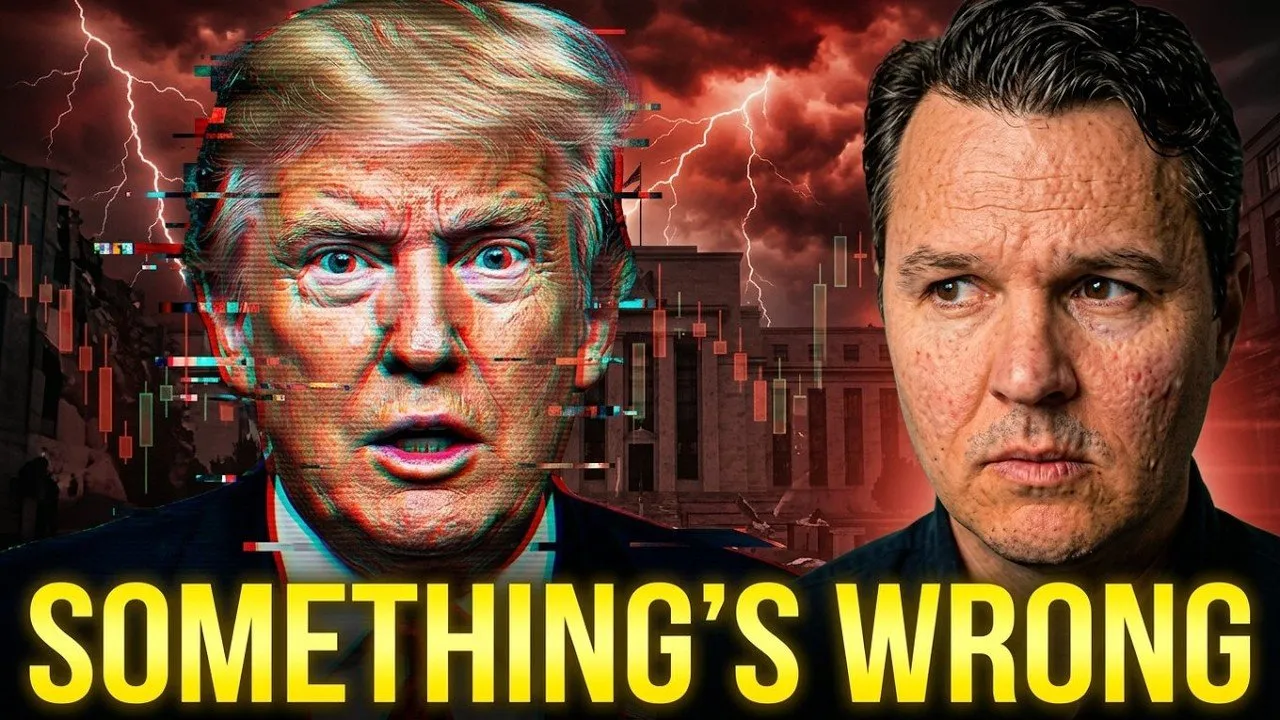
Global financial markets are bracing for extreme volatility as tensions in the Middle East reach a critical inflection point, with reports suggesting the United States may be preparing military action near the Strait of Hormuz. Investors are reacting to a potential escalation in the conflict between the U.S. and Iran, which has already pushed crude oil prices to $104 per barrel and sent shockwaves through equity and cryptocurrency markets. With analysts monitoring indicators like the "Pentagon pizza index"—a colloquial measure of increased activity at the Department of Defense—the market is increasingly pricing in the risk of a widening regional conflict.
Key Points
- Geopolitical Escalation: Rumors of potential U.S. military operations to seize strategic islands, including Lark Island and the Greater and Lesser Tunbs, have heightened fears of a total closure of the Strait of Hormuz.
- Energy Market Disruption: Supply chain bottlenecks, exacerbated by Houthi threats in the Red Sea and damage to Russian refineries, have left several nations, including Thailand, Australia, and New Zealand, facing fuel shortages.
- Risk Asset Sell-off: The S&P 500 and major cryptocurrencies like Bitcoin and Ethereum are experiencing significant downward pressure as investors rotate into cash.
- Corporate Exposure: Major tech stocks, including Meta, have suffered steep declines due to a combination of market-wide risk aversion and specific legal headwinds.
Market Impact and Energy Instability
The global energy landscape is currently suffering from a confluence of supply shocks. In addition to the looming threat in the Persian Gulf, a recent cyclone in Australia temporarily disrupted 8% of global LNG supply, while successful drone strikes reportedly impacted 40% of Russia’s export capacity. These disruptions have left the global market with little margin for error.
The Strait of Hormuz, a vital maritime chokepoint, remains the primary focus for analysts. If the U.S. moves to implement a blockade or seize Iranian-held territory to secure shipping lanes, experts warn that Iran may respond by targeting further production facilities across the Gulf, potentially destabilizing Saudi fields. According to market observers, the 10-year US Treasury yield hitting the 4.4% threshold has historically correlated with delayed diplomatic deadlines, yet current conditions suggest the window for de-escalation is narrowing rapidly.
"We are facing down the long barrel of a potential global recession here unless things turn around very soon. The window for total chaos not to happen is closing quickly," according to market analysts monitoring the geopolitical situation.
Technical Outlook for Equities and Crypto
In the equity markets, the S&P 500 has entered bearish territory, with futures indicating continued weakness. Investors are closely watching the 200-week Exponential Moving Average (EMA) as a potential support level for major tech equities. Meta, for instance, saw a 10% decline in a single session, driven by rising anxiety over capital expenditure (capex) and a recent legal ruling regarding platform addiction.
The cryptocurrency sector is mirroring this risk-off sentiment. Bitcoin is currently testing critical support levels, with technical analysts noting a pattern that resembles previous periods of bearish breakdown. Meanwhile, Ethereum supply on exchanges has reached a decade low, yet the price continues to struggle, having fallen back below the $2,000 psychological threshold. Other assets, such as Solana, have confirmed a breakdown of key technical patterns, with downside targets currently set between $67 and $80.
Forward-Looking Risks
The immediate outlook depends heavily on whether diplomatic efforts can avert direct military confrontation over the weekend. Should the U.S. proceed with a blockade or island seizure, the resulting volatility is expected to accelerate the flight from risk assets. Traders are advised to monitor official announcements from the Pentagon and the status of commercial shipping lanes in the Persian Gulf as the primary barometers for market stability in the coming days.
With the US bond market under significant pressure and the global economy facing an unprecedented energy bottleneck, the coming week will be pivotal. Investors remain in a wait-and-see posture, prioritizing liquidity over speculative positions as they assess whether the current geopolitical crisis will catalyze a broader, more systemic financial downturn.




)