Table of Contents
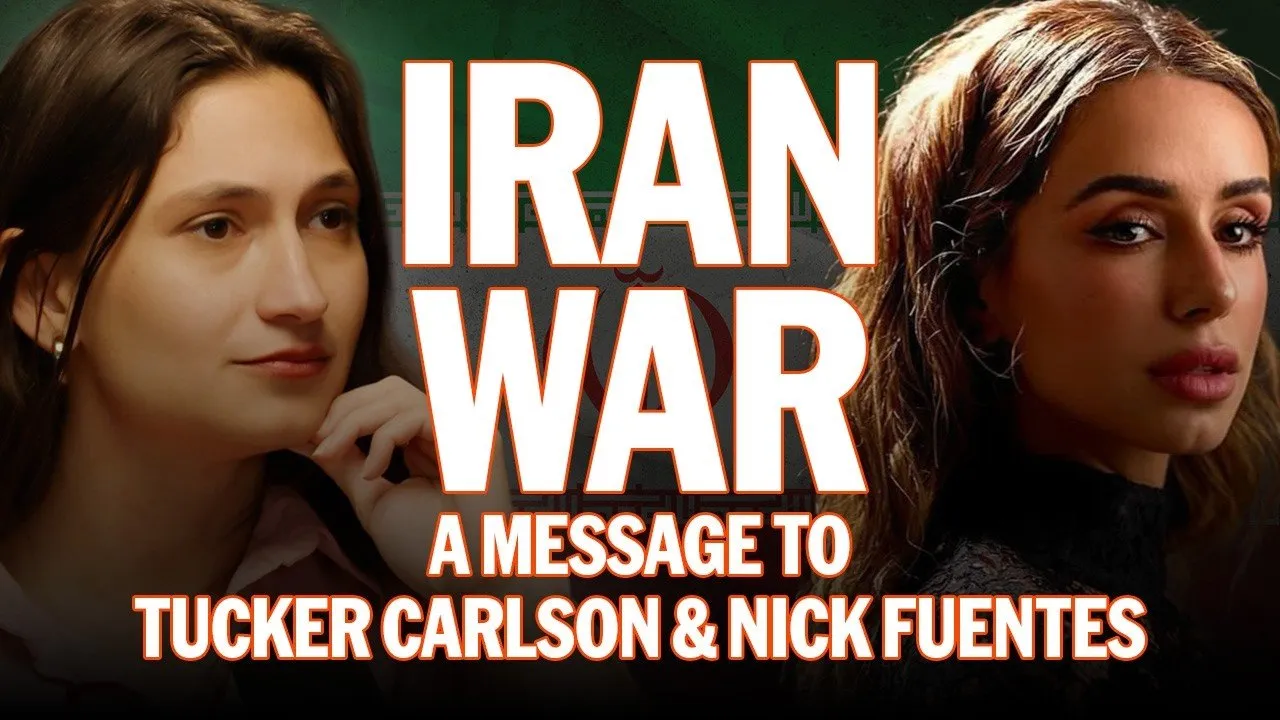
The global conversation surrounding the Iranian regime has reached a fever pitch, often clouded by complex geopolitical narratives and a staggering amount of misinformation. For those observing from liberal democracies, the temptation to view the conflict through an abstract, academic lens is strong. However, for many Iranians, this is not a theoretical debate—it is a lived reality of 47 years of state-sponsored suppression and systemic terror.
Key Takeaways
- The Paradox of Protection: Citizens in stable democracies often misinterpret their lack of immediate, visceral threats as evidence that the Iranian regime does not pose a legitimate danger to the West.
- The Erasure of Agency: Narratives that frame current conflicts solely as Israeli or American operations often ignore the 47-year struggle of the Iranian people to reclaim their country.
- The Unholy Alliance: Extremist elements on both the far-left and far-right have found common ground in their opposition to Western interests, often adopting propaganda that serves the regime's interests.
- The Goal of Deprogramming: Meaningful change requires addressing the root of the disinformation, as traditional arguments often fail against entrenched, ideologically driven misinformation.
Understanding the Threat Beneath the Rhetoric
Living in a liberal democracy often breeds a form of fortunate unawareness. Because the United States and its allies exert constant force to mitigate global dangers, citizens in the West rarely feel the sharp edge of authoritarian threats. This safety creates a paradoxical skepticism: people may ask why military action is necessary against a regime they haven't personally encountered.
However, the regime’s own constitution explicitly states its long-term objectives. It has consistently acted on its stated intention to challenge the sovereignty of Western nations and Israel. Dismissing these threats as mere rhetoric ignores decades of documented proxy warfare—from the support of Hezbollah in Lebanon to the Houthis in Yemen.
The reality of people who live in the US and generally in liberal democracies is that they are fortunate enough to reap the benefits of never really feeling the threat.
The Propaganda Playbook: Left and Right
The information war surrounding the Iranian regime is multifaceted. Bad-faith actors have successfully tailored their messaging to appeal to disparate groups. On the left, the regime is often framed as a misunderstood, anti-imperialist force. This narrative is a direct descendant of old-school propaganda that views the West as the sole source of global evil, reframing hostile actors as indigenous freedom fighters.
The Moral Inversion of Politics
Conversely, on the far-right, the recruitment strategy often relies on antisemitism and a warped sense of "America First" isolationism. By labeling any effort to counter the regime as a foreign entanglements driven by a supposed cabal, these actors have successfully convinced segments of their audience that supporting—or at least staying neutral toward—an explicitly anti-American regime is somehow patriotic.
This is a masterclass in moral inversion. The left frames oppressors as oppressed, while the right frames anti-American alliances as pro-America. Both ideologies ultimately converge on a shared hostility toward existing liberal institutions, using a common scapegoat to deflect from the regime's true nature.
Restoring Iranian Agency
One of the most damaging aspects of the current discourse is the systematic erasure of the Iranian people's agency. Whenever protests or internal resistance occur, they are frequently dismissed by outsiders as manufactured operations by external intelligence agencies. This narrative serves to silence the millions of Iranians who have been fighting for four decades to dismantle the current structure.
By shifting the focus to this is an Israel operation solely for the desires and wishes and benefits of Israel, it erases the agency of Iranian people who have been fighting for 47 years.
The Iranian people are not merely pawns in a geopolitical game; they are a population seeking the restoration of a liberal society. When international observers focus exclusively on the mechanics of war without acknowledging the local, internal demand for liberation, they inadvertently validate the regime's own propaganda.
The Path to Deprogramming
Debating the finer points of geopolitics with someone who is deeply committed to a false narrative is rarely effective. Arguments often bounce off the "Trojan horse" of social justice and extremist ideology. Instead, the focus must shift toward deprogramming—exposing the origins of these narratives and showing how they were designed to corrode democracy from within.
The objective has always been to dismantle western society and liberal democracies from within through this sort of Trojan horse.
When people understand that they are being fed information meant to manipulate their sense of justice, they are more likely to seek out the reality of the situation. This requires a transition from emotional validation—seeking tribal approval through online posts—to a grounded, evidence-based understanding of the regime's long-standing assault on human rights and international stability.
Conclusion
The world is currently witnessing a volatile intersection of physical conflict and an aggressive information war. As the situation continues to unfold, the most important priority is the safety of the Iranian people and the genuine hope for a transition toward a free society. Ending the cycle of violence and misinformation is not just a diplomatic or military challenge; it is a moral necessity. By refusing to accept the erasure of Iranian agency and rejecting the toxic narratives that favor authoritarianism over freedom, the international community can begin to see the situation for what it truly is: a fight for the future of a nation that has been held captive for far too long.