Table of Contents
Apple’s latest hardware expansion and a high-profile acquisition by Meta headline a volatile week in the technology sector, signaling shifts in both consumer hardware pricing and artificial intelligence integration. While Apple continues to recalibrate its product roadmap, Meta has deepened its commitment to autonomous AI agents, even as other firms face significant legal and reputational hurdles regarding the training data used for their generative tools.
Key Points
- Apple’s MacBook Neo makes waves with a competitive $600 price point, bringing premium build quality to the entry-level laptop market.
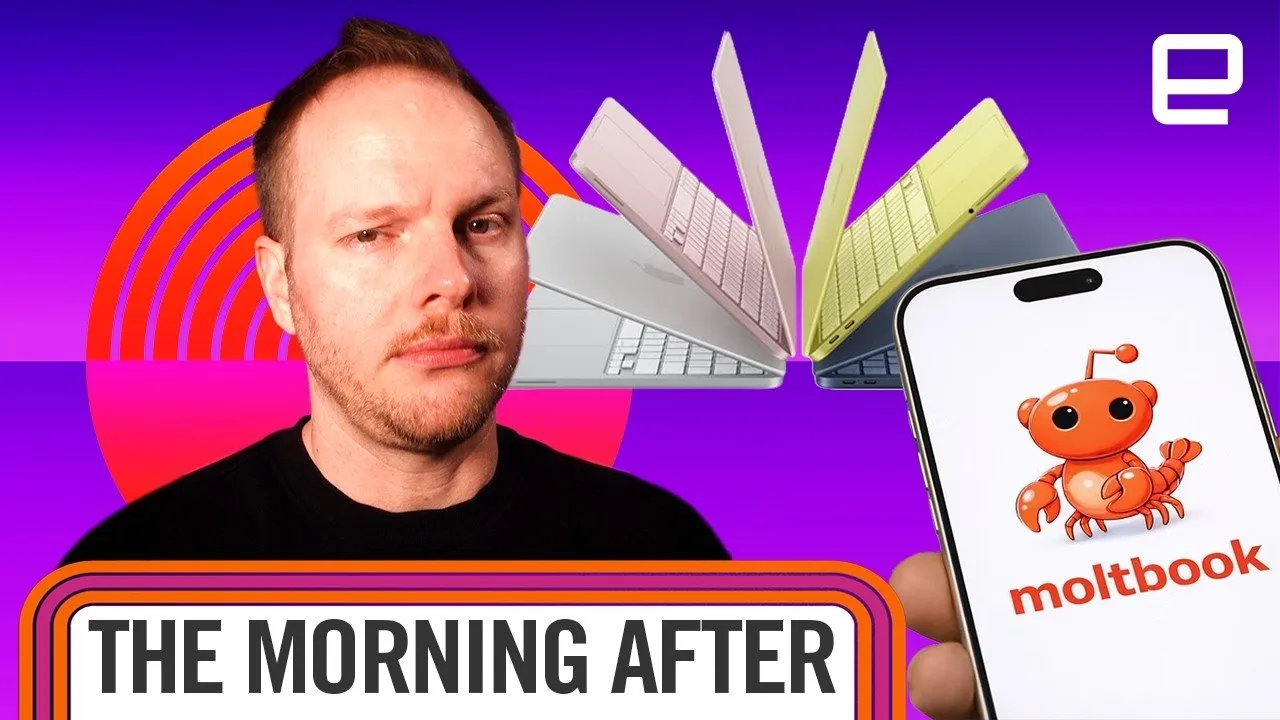
- Meta has acquired Moltbook, a specialized social network for AI agents, integrating its team into the company’s Super Intelligence Labs.
- Microsoft confirmed plans for Project Helix, a next-generation console architecture aiming for a 2027 release with unified PC and console gaming capabilities.
- Grammarly has retracted its "expert review" feature following backlash and legal concerns over the unauthorized use of authors' writing styles.
- Apple’s upcoming smart home display faces delays, with reports suggesting a push to late 2026 to accommodate a more robust Siri AI overhaul.
The Rise of Budget-Focused Hardware
The introduction of the MacBook Neo marks a strategic pivot for Apple, targeting a price-conscious demographic—specifically students and office workers—who previously found the Apple ecosystem cost-prohibitive. Although the device utilizes a slower A-series processor typically reserved for the iPhone and is capped at 8GB of RAM, early reports from Engadget suggest the build quality remains superior to most PC counterparts in the $600 bracket.
While the machine is not intended for resource-intensive tasks like high-end gaming or professional video editing, it fills a critical gap in the company’s lineup. By prioritizing the user experience of the screen, keyboard, and trackpad, Apple aims to secure brand loyalty among entry-level users who may transition to more powerful hardware in the future.
AI Integration and Legal Hurdles
The landscape of generative AI faced a reality check this week as major platforms encountered friction. Grammarly suspended its "expert review" feature after users and rights holders criticized the tool for mimicking the writing styles of famous authors—including Stephen King and Virginia Woolf—without consent. The company is currently "reimagining" the feature amid threats of class-action litigation regarding intellectual property rights.
Simultaneously, Meta is doubling down on the technology. By acquiring Moltbook, a network designed explicitly for AI-to-AI interaction, Meta is positioning itself at the forefront of automated social ecosystems. According to recent announcements, the Moltbook team will transition to the company’s Super Intelligence Labs to accelerate development.
"The new system would be capable of playing both Xbox console games as well as PC titles," stated Jason Ronald, vice president of next generation for Xbox, regarding the development of the upcoming Project Helix hardware.
Strategic Shifts in Gaming and Smart Home Tech
In the gaming sector, Microsoft is positioning its next-generation hardware to solve the fragmentation between console and PC platforms. By targeting a 2027 rollout for Project Helix, Microsoft hopes to leverage custom AMD silicon to provide "magnitude leaps" in ray tracing and performance. This move effectively creates a hardware-based answer to the competitive pressure from Sony’s PlayStation 5.
Meanwhile, Apple continues to struggle with the integration of advanced Siri capabilities into its home hardware. Though the physical smart display unit has reportedly been finished for months, the software—specifically the AI-centric overhaul—is not yet ready for the consumer market. Industry analyst Mark Gurman suggests the launch will likely be pushed to September 2026 to ensure the product meets company standards.
As these companies navigate a landscape increasingly defined by AI capabilities and hardware convergence, the coming months will likely see a focus on refining user privacy and clarifying the intellectual property boundaries of generative software. Market stakeholders should monitor the 2027 development cycle of Project Helix and the eventual release of Apple's smart display as indicators of future shifts in consumer demand.