Table of Contents
Traditional archaeology is often visualized as a slow, dusty process of brushing off pot shards with toothbrushes to reconstruct the layout of ancient walls. However, a modern, more dynamic approach known as experimental archaeology is revolutionizing how we understand the past. By physically recreating ancient technologies, recipes, and practices, researchers are gaining sensory insights—what the past tasted, smelled, and sounded like—that standard excavation methods simply cannot provide.
Key Takeaways
- Experimental archaeology bridges the gap between theoretical study and practical reality by physically recreating ancient tasks, from tool-making to food preparation.
- Ancient technologies, such as Roman self-healing concrete and Viking-era antiseptic recipes, often prove more sophisticated than modern assumptions initially allowed.
- The race to prevent a Nazi atomic bomb—the Alsos Mission—demonstrates how high-stakes global politics and unconventional espionage during World War II reshaped the course of modern history.
- Scientific progress is not always linear; significant knowledge, such as ancient infection-fighting techniques, has been lost and rediscovered centuries later.
The Mechanics of Ancient Survival
To truly grasp the capabilities of our ancestors, experimental archaeologists engage in hands-on testing. For instance, recreating a 75,000-year-old bed using ash and aromatic leaves revealed a sophisticated understanding of parasite control. Research shows that ash acts as a physical barrier against ticks, while aromatic plants serve as natural mosquito repellent. This level of practical, implicit knowledge allowed early humans to manage health in environments devoid of modern medicine.
Mastering Stone Tools
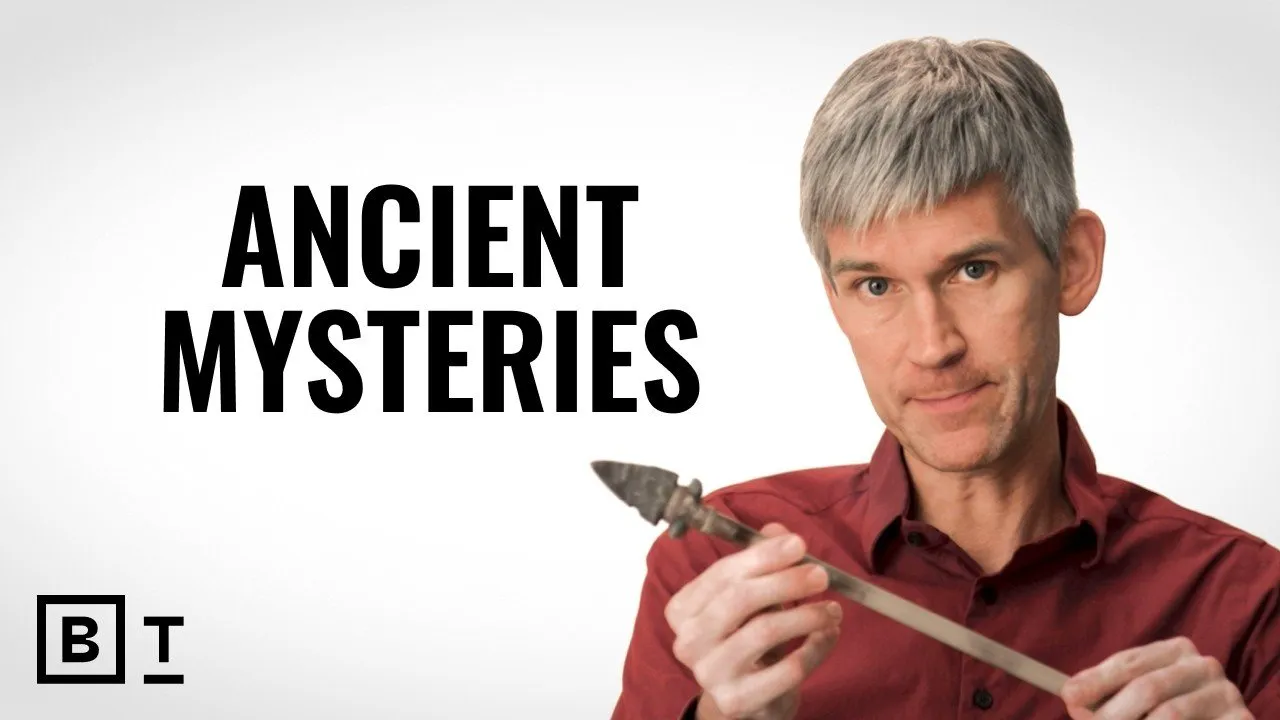
The creation of stone tools, such as those fashioned from flint or obsidian, requires precise kinetic control. Obsidian, in particular, can be knapped into edges sharper than modern steel scalpels. While these tools were essential for hunting and survival, they were also dangerous; an accidental slip could result in a deep, painless, yet significant wound, highlighting the perilous nature of life in the ancient world.
Culinary and Architectural Secrets
Experimental archaeologists have also debunked myths regarding ancient materials. Notably, the study of Roman concrete—previously thought to contain flaws because of undigested quicklime—revealed a self-healing mechanism. When water penetrates the concrete, it reacts with these lime chunks to fill cracks, a feature that has allowed Roman structures to survive for millennia. Similarly, the study of "garum," an ancient fermented fish sauce, reveals that Romans utilized advanced fermentation science to enhance the umami profile of everything from savory dishes to desserts.
The study of Roman concrete shows that what archaeologists once thought were flaws in the mixture were actually a key feature that allowed the structures to strengthen over time.
Uncovering the Lost Knowledge of Mummification
The process of Egyptian mummification remains shrouded in mystery, partly because ancient practitioners left behind few written records. Experimental efforts have revealed that the iconic, weathered appearance of mummies—sunken skin and wispy hair—was not merely a result of thousands of years in the desert, but a direct consequence of the natron-based drying process itself. By mummifying modern specimens, scientists have confirmed that the preservation techniques were remarkably efficient, turning biological matter into durable artifacts in a matter of weeks.
The Alsos Mission: Sabotaging the Nazi Atomic Project
The fear that Adolf Hitler might acquire an atomic weapon was the primary catalyst for the Manhattan Project. This anxiety was amplified by a "game of telephone" among scientists regarding a failed nuclear experiment in Germany, which mutated into rumors of a functional atomic chain reaction. In response, the Allies launched the Alsos Mission, a motley crew of scientists and military personnel tasked with sabotaging German nuclear progress.
Espionage in the Atomic Age
The mission utilized unconventional assets, including professional baseball player Mo Berg, who operated as an atomic spy. Berg famously infiltrated a lecture by Werner Heisenberg, Germany’s leading physicist, carrying a pistol and a cyanide pill with orders to assassinate the scientist if evidence emerged that the Nazis were nearing a weapon. These efforts, combined with the destruction of heavy water production facilities in Norway, successfully delayed and ultimately dismantled the Nazi atomic ambition.
We knew the world would not be the same. Few people laughed. Few people cried. Now I am become death, the destroyer of worlds. — Robert Oppenheimer
The Ethical Weight of Discovery
The conclusion of the Nazi threat left many Manhattan Project scientists in a moral vacuum. Having joined the project to prevent Hitler from dominating the world, many felt conflicted about the bomb's subsequent use against Japan. This historical pivot point highlights how the necessity of war can accelerate scientific development, often leaving humanity to grapple with the existential consequences of its own ingenuity long after the conflict ends.
Conclusion
Experimental archaeology and the history of wartime intelligence both illustrate that our understanding of the past is an evolving dialogue rather than a static record. By recreating the daily tasks of an ancient hunter or analyzing the desperate, high-stakes decisions of WWII-era spies, we gain a fuller, more humanized perspective on history. This experiential approach reminds us that the people of the past were just as capable and ingenious as we are today—and that their successes and failures continue to echo in our modern world.