
Table of Contents
One of the most critical skills for founders and senior leaders to cultivate is the ability to hire exceptional talent. You simply cannot build a market-defining product without a team capable of executing that vision. Yet, recruiting top-tier product leaders remains an elusive art form for many organizations.
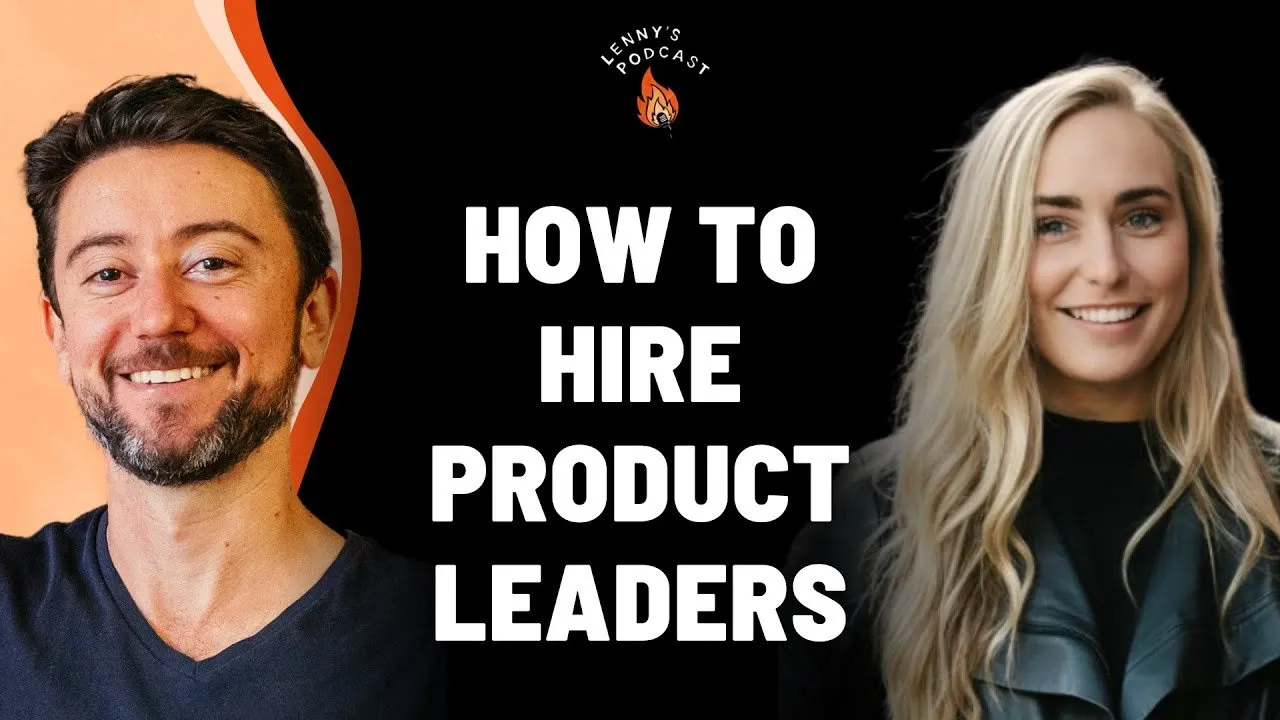
Lauren Ipsen is one of the world’s most experienced executive recruiters in the product space. having placed over 80 senior product leaders across the tech landscape. Currently a Talent Partner at General Catalyst, and formerly with Daversa Partners, she has worked with massive consumer mobile brands and emerging startups alike. Her perspective offers a rare 360-degree view of the hiring ecosystem: what founders get wrong, what product managers should do to advance their careers, and where the recruiting industry itself often fails.
Whether you are a founder looking for your first Head of Product, or a product manager eyeing the C-suite, understanding the nuances of executive search is essential for long-term success.
Key Takeaways
- Avoid the "shiny object" syndrome: Founders often chase big-name executives from major tech companies (e.g., Google, YouTube) who may be too far removed from the hands-on building required at a startup.
- Prioritize breadth over specialization: For product leaders aiming for the C-suite, having a diverse background—touching growth, platform, and consumer facing product—is more valuable than deep specialization in one area.
- Be cautious with titles: Early-stage companies should default to "Head of Product" rather than "CPO" to avoid title inflation and the potential need for future layering.
- Play the long game: Successful recruiting is relationship-based, not transactional. Founders should "market map" and build relationships with talent months or years before a role opens.
- Back-channel references are vital: Provided references are like an Instagram highlight reel; back-channel references reveal the reality of a candidate's impact and reputation.
The Founder’s Guide to Hiring Product Leaders
Hiring a senior product leader is a high-stakes decision. The most common mistake founders make is falling for the allure of a prestigious resume without vetting for the specific context of their company.
The Danger of "Shiny Objects"
It is tempting to target the CPO of a massive, successful tech giant. While these individuals offer brand recognition, they often operate at a level of abstraction that is incompatible with early-stage demands. An executive who has spent the last five years managing managers and focusing on organizational design may no longer possess the "in the weeds" hunger required to build a product from 0 to 1.
Founders should look for candidates who still have a "chip on their shoulder"—builders who want to prove something, rather than those looking to rest and vest. The question is not "who is the best talent in the market?" but rather "who is the best talent for this role at this specific time?"
Defining the Role and Title
Before launching a search, founders must be granular about what success looks like. A generic mandate to "hire a Head of Product" is a recipe for failure. You must define whether the company needs a visionary to overhaul the roadmap, a technical leader for platform infrastructure, or a growth-obsessed operator to drive monetization.
Regarding titles, Ipsen advises caution. Using the "Chief Product Officer" title too early can paint a company into a corner. If the hire doesn't scale with the company through Series D or IPO, you face the uncomfortable task of layering them. Using "Head of Product" sets clear expectations while leaving room for growth or organizational changes.
"You never want to put yourself in a position where you have no idea what good looks like."
Sourcing Strategy: The Art of the Long Game
The best time to start recruiting is well before you have a job opening. Reactive hiring leads to desperation and compromised standards. Proactive hiring involves constant market mapping and relationship building.
Market Mapping and "Academy Companies"
Founders should maintain a pulse on the market by identifying companies that are currently thriving. These organizations act as "academies" for talent. However, you cannot assume everyone from a successful company is a top performer. Every organization has individuals who simply ride the wave of the company's success. You must dig deeper to find the lieutenants who are actually doing the heavy lifting.
Building Relationships Early
Ipsen suggests that founders should meet with top talent under the guise of benchmarking or advisory conversations. By asking, "I’m not hiring right now, but I want to know what great looks like," you disarm the candidate. There is no transactional pressure. This approach flatters the expert and allows you to build genuine rapport.
When the time eventually comes to hire, you aren't a stranger sending a cold LinkedIn message; you are a known entity with an established relationship. This "long game" approach is how the best companies consistently land the hardest-to-get executives.
Career Advice for Product Leaders
For product managers and directors looking to ascend to executive roles, the path requires strategic career management. It is not just about doing the work; it is about the narrative you build and the breadth of your experience.
Breadth vs. Depth
While specialists are needed, the path to CPO usually requires breadth. Aspiring leaders should seek opportunities to work on different aspects of the product stack—from internal tools and platforms to consumer-facing features and growth loops. This diversity of experience ensures you understand how the entire machine operates, which is a prerequisite for top-level leadership.
Resume Red Flags and "Logo Collecting"
Recruiters are trained to spot "logo collectors"—candidates who jump between prestigious companies every 12 to 18 months without leaving a mark. While short stints are sometimes unavoidable (due to layoffs or company failures), a pattern of quick exits signals a lack of resilience.
To combat this, candidates must focus on impact. It is not enough to have been present at a successful company; you must be able to point to the specific fingerprints you left on the product. If you leave a company, ensure you have "left the place better than you found it."
"Logo collecting is never something that you want to be known for."
Mastering the Interview and Reference Check
The difference between a good hire and a great hire often comes down to the rigor of the vetting process. This applies to both the interview itself and the reference checks that follow.
The "Instagram vs. Reality" of References
Provided references are curated. They are the "Instagram reel" of a candidate's career—polished and positive. To get the truth, you must look at the "tagged photos." This means conducting back-channel references. Speaking with former peers, direct reports, and cross-functional partners who were not listed by the candidate often reveals the most telling insights.
When conducting these calls, ask hard questions. Instead of asking "How was it working with them?", ask "Why should I not hire this person?" or "If you had to report to them again, would you?" Listen for the pauses. Silence often speaks louder than the endorsement.
Interview Behavior
For candidates, a major red flag during interviews is blaming counterparts. Product leaders who claim they missed deadlines because of "the engineering team" or "lack of marketing support" demonstrate a lack of ownership. Great product leaders navigate conflict and influence without authority; they do not externalize failure.
How to Work with Recruiters
Whether you are a founder hiring a search firm or a candidate being headhunted, understanding the recruiter's role is key. The industry has a reputation for being transactional, but the best recruiters operate as long-term talent partners.
For Founders
When vetting a search firm, test their listening skills. Give them a brief on what you are looking for, and then ask them to recite it back to you. Ask them for immediate candidate ideas to see if they understand your specific market. You want a partner who provides consultation, not just a resume shuffler. Typically, retaining a firm makes sense around the Series B stage, though engaging with talent advisors earlier is always beneficial.
For Candidates
Treat recruiters as part of your long-term network. If a recruiter reaches out with a role that isn't a fit, be honest about why. Share your vesting dates, your life constraints, and your genuine career goals. A good recruiter will respect these boundaries and only return when the timing is right. By building trust, you ensure that when the perfect role appears, you are the first call they make.
Conclusion
Ultimately, successful hiring and career growth come down to a single principle: treating people like human beings rather than commodities. Whether you are a founder building a pipeline of future hires, or a product leader building a reputation in the industry, playing the long game pays dividends.
The tech world is incredibly small. Reputations follow you. By focusing on genuine relationships, delivering measurable impact, and maintaining transparency, both companies and candidates can navigate the complex executive search landscape with confidence.



)