Table of Contents
In the world of modern software engineering, few technologies have been as transformative as Kubernetes. As the industry shifts toward cloud-native architectures, Brendan Burns, one of the project's original co-creators, offers a rare, behind-the-scenes look at how a simple "hack" turned into the backbone of global computing. From convincing a skeptical Google leadership to navigating the complexities of open-source governance, the story of Kubernetes is as much about human collaboration as it is about elegant code.
Key Takeaways
- Build for the industry, not just your company: Kubernetes succeeded because it was designed to be open and platform-agnostic, preventing vendor lock-in.
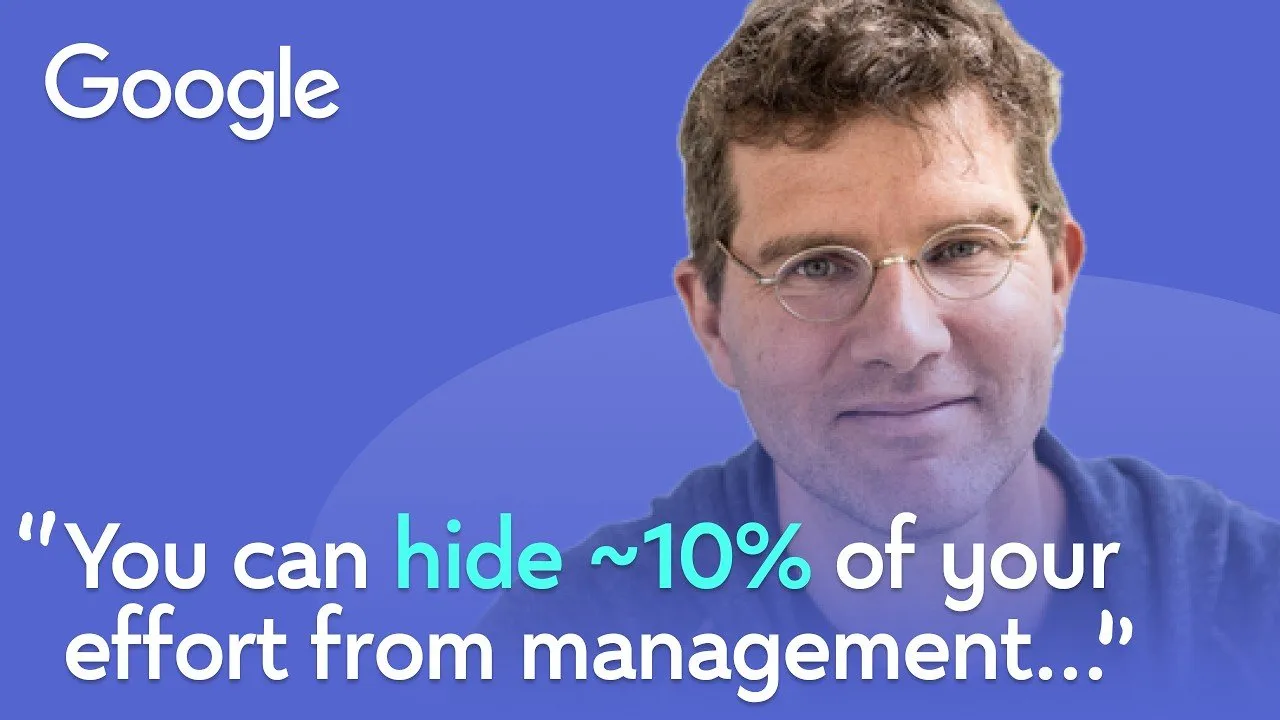
- The 10% rule: Engineers should carve out a small portion of their time for "unauthorized" side projects to drive true innovation without waiting for top-down approval.
- Declarative design is superior to imperative commands: By focusing on the desired state rather than step-by-step instructions, the system becomes self-healing and significantly more resilient.
- Governance is critical: Establishing an independent foundation and democratic governance rules ensured that Kubernetes remained an industry standard rather than a proprietary Google tool.
The Strategic Argument for Open Source
When Burns and his team first pitched Kubernetes to Google, the primary challenge was not technical, but strategic. At the time, Google’s proprietary infrastructure, Borg, was a significant competitive advantage. Convincing leadership to give away that "secret sauce" required a fundamental shift in perspective.
The argument was simple: the industry was already trending toward an open-source solution. If Google didn't provide one, someone else would. By being the ones to release it, Google positioned itself as a thought leader in the container space, ensuring their own platform, GCP, remained relevant in a market dominated by AWS.
"It's not like do you want there not to be an open source one or not. It's there's going to be an open source one. Do you want it to be ours or do you want it to be someone else's?"
The Philosophy of the "Side Project"
Kubernetes began as a five-day prototype written by three engineers. Burns advocates for a culture where engineers feel empowered to experiment, even if they don't have explicit permission. This "hidden 10%" of effort is often where the most influential breakthroughs occur.
Managing Expectations
For mid-to-senior level engineers, creating scope is a necessity. Instead of waiting for a manager to hand out an assignment, Burns suggests building a functional prototype first. When a project is already running, the conversation shifts from "should we do this?" to "do you want to ship this?", which is a much easier hurdle to clear.
Building a Resilient System: The Declarative Approach
One of the most defining design decisions in Kubernetes was its reliance on a declarative API. Users do not tell the system how to reach a state; they describe the state they want, and the system works to maintain it.
Resiliency through Control Loops
By treating the system as a collection of independent control loops rather than a rigid state machine, the architecture became incredibly stable. If a component fails or the environment changes, the system constantly monitors the "current" state against the "desired" state and self-corrects. While this makes debugging more complex because state is distributed across multiple logs, it is the primary reason the system is so robust.
"The trouble with a state machine is a state machine says the world looks like this. And unless you get it exactly right, sometimes the world looks like something you didn't imagine."
Scaling for the Future of AI
As the industry pivots toward Large Language Models (LLMs) and massive AI training workloads, Kubernetes has faced new tests. The challenge of scaling has shifted from the size of a single cluster to the management of thousands of clusters.
Burns notes that while the storage layer (etcd) remains a potential bottleneck, the horizontal scalability of the rest of the architecture ensures the system can continue to evolve. Each time the industry reaches an order of magnitude in scale, the "problem" simply moves to a new location—first to networking, then to CPU, and eventually to the limitations of consensus algorithms.
Advice for the Next Generation
Reflecting on his journey, Burns emphasizes that there is rarely a clear "plan" for a successful career. Whether one chooses to pursue a PhD or jump straight into the workforce, the key is maintaining curiosity and a willingness to be wrong. Software is ultimately transient; the value lies not in the code you protect, but in the lessons you take from it.
"You really should never fall in love with your software because the inevitable trajectory of software is death."
Innovation is an ongoing process of outgrowing your old tools. As Kubernetes continues to adapt, it serves as a testament to the idea that open, collaborative, and bold engineering can redefine the technological landscape for a generation.