Table of Contents
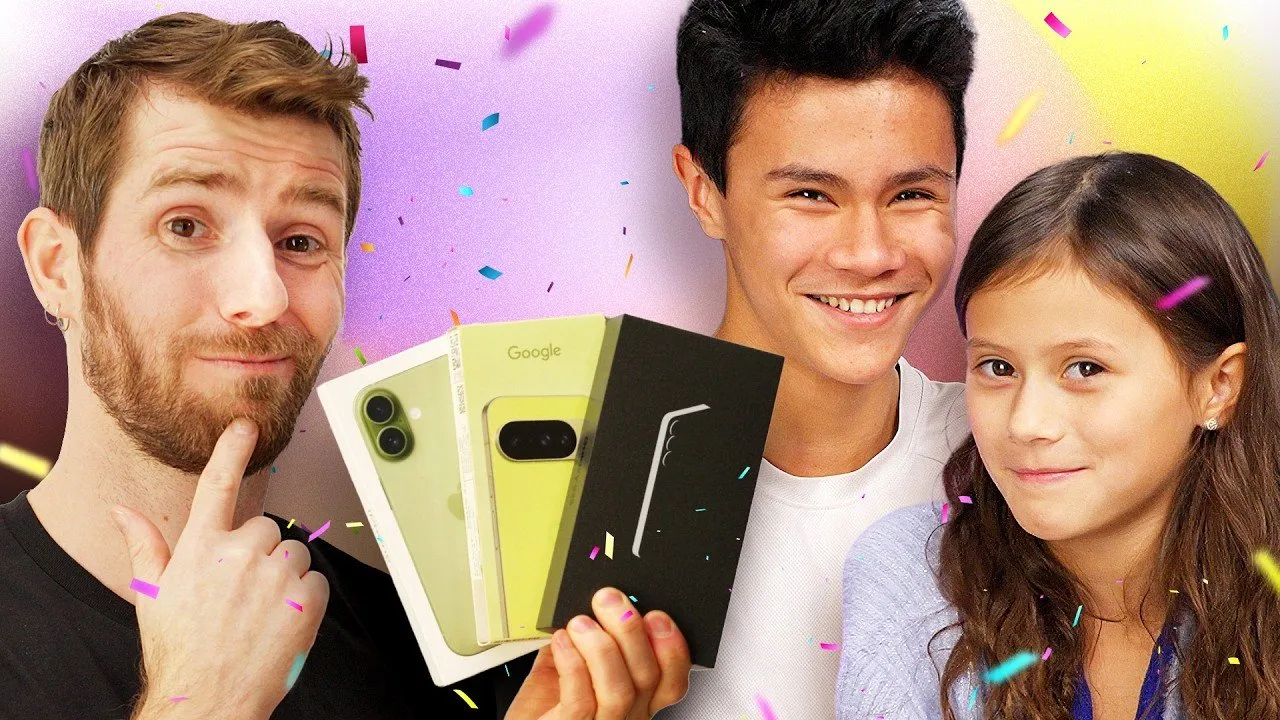
In a revealing consumer experiment conducted by the technology media group Linus Tech Tips (LTT), a blind preference test has highlighted a shifting landscape in younger demographic preferences regarding flagship smartphones. The experiment, which allowed two children to select any device within strict budgetary and longevity constraints, resulted in a unanimous victory for Samsung’s Galaxy S25 Edge. The results offer a compelling look into Gen Alpha’s prioritization of "handability," screen quality, and perceived durability over brand prestige or foldable novelty.
Key Points
- Unanimous Victor: Both subjects selected the Samsung Galaxy S25 Edge, favoring its screen quality and form factor over competitors.
- Form Factor Trends: The "iPhone Air" garnered significant attention for its ultra-thin profile, suggesting a market appetite for slimmer devices.
- Brand Perception: Google’s Pixel series was rejected due to aesthetic branding choices, specifically the "G" logo.
- Durability Concerns: Despite finding foldable technology "cool," the subjects rejected the Galaxy Z Flip due to fears regarding water and dust resistance.
Experiment Methodology and Constraints
The selection process was designed to simulate a realistic, value-conscious purchasing decision rather than an unlimited spending spree. The "Santa" figure—represented by the parent and host—established two critical parameters for the experiment. First, the device cost was capped at approximately $1,400 USD (2,000 CAD). Second, and perhaps more significantly for the industry, every eligible device was required to support a minimum of five years of operating system and security updates.
This longevity requirement reflects a growing consumer trend toward keeping devices longer. The experiment framed device cost on a yearly basis, targeting an amortized budget of under $300 annually. This criteria immediately disqualified several niche products, narrowing the field to top-tier contenders from Google, Apple, and Samsung.
"I view device costs on a yearly basis... And if they break it before then, then they can get a job and buy themselves a new one. That's the deal."
The Contenders: Google, Apple, and Samsung
The subjects were presented with three distinct categories of next-generation hardware: the Google Pixel 10 series, the iPhone 17 lineup (including an 'Air' model), and Samsung’s S25 and Z Flip series.
The Pixel’s Branding Hurdle
The Google Pixel 10 and 10 Pro offered 120Hz screens and superior camera zoom capabilities. However, technical specifications failed to court the young users. The rejection of the Pixel was largely aesthetic; specifically, the younger subject dismissed the device explicitly because of the "G" logo on the back. This underscores the immense challenge Google faces in building brand cachet among younger demographics compared to its competitors.
The Allure of the iPhone Air
Apple’s lineup featured the standard iPhone 17 and a new "iPhone Air," marketed heavily on its ultra-thin chassis. The experiment revealed that physical "handability" is a major selling point. The son, despite coming from an Android ecosystem, was visibly tempted by the Air’s form factor.
"It really is sexy, isn't it? ... It's just really thin. It like feels good."
However, ecosystem lock-in and social pressure played a complex role. While the iPhone offered seamless contact sharing and superior selfie processing, the subjects ultimately found the interface "weird" compared to their familiarity with Android. Furthermore, the son expressed a perceived pressure to avoid Apple products to align with parental preferences, despite assurances to the contrary.
Winner: Samsung Galaxy S25 Edge
The decision ultimately landed on the Samsung Galaxy S25 Edge. The subjects cited the higher quality resolution, larger screen size, and comfort in the hand as the deciding factors. Interestingly, the foldable Galaxy Z Flip was considered a "gimmick" by the users. While they acknowledged the "cool" factor, practical concerns regarding durability—specifically the risk of damage from water and lint—drove them toward the traditional slab form factor.
The "Edge" model, which combines a thinner profile with high-end specifications, struck the winning balance. It successfully bridged the gap between the desirable thinness of the iPhone Air and the functional familiarity of the Android operating system.
Market Implications
This experiment provides anecdotal but valuable data for smartphone manufacturers. It suggests that the "spec wars" regarding cameras and processors may have reached a point of diminishing returns for general consumers. Instead, physical design—specifically thinness and weight—is becoming a primary differentiator.
Furthermore, the rejection of foldables due to durability anxiety indicates that while flexible displays have matured, consumer confidence in their longevity has not yet caught up. For manufacturers, the path forward may lie in refining the traditional slab design to be thinner and lighter, rather than focusing exclusively on new form factors.
As the holiday shopping season approaches, these findings suggest that the most expensive or novel device is not always the preferred choice. Practicality, hand-feel, and perceived durability remain the kings of consumer electronics.