Table of Contents
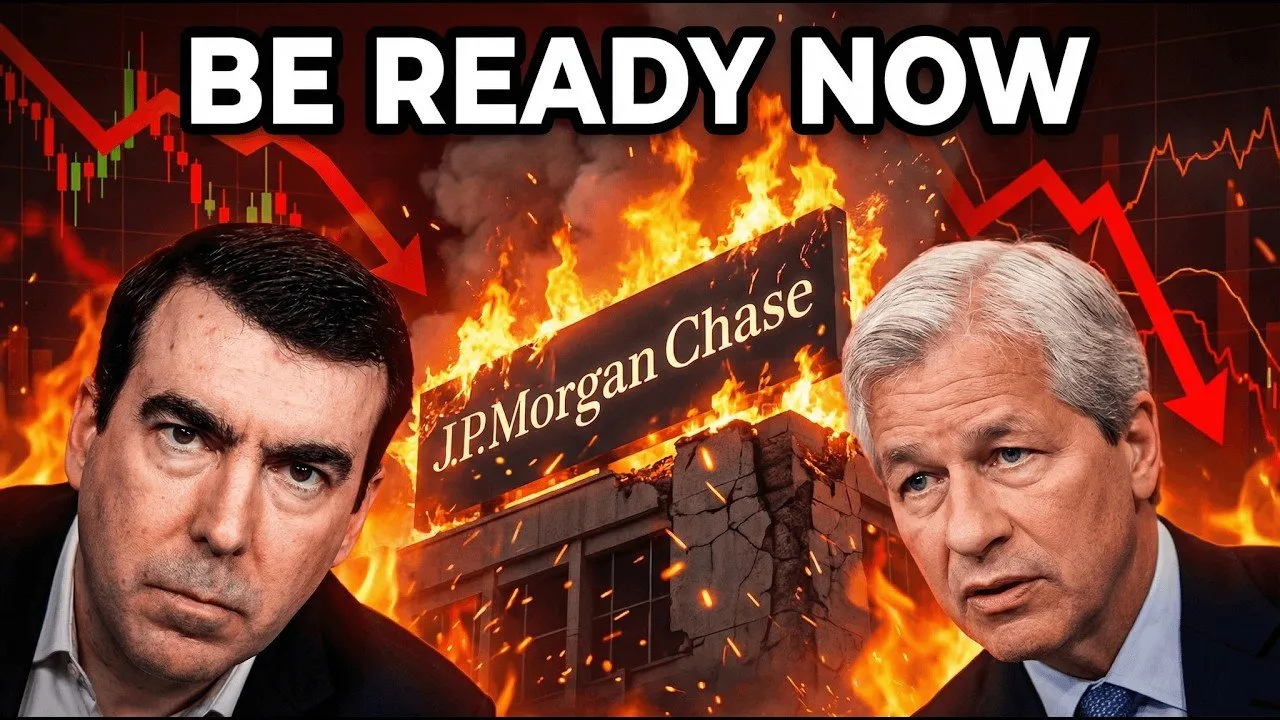
JPMorgan has issued a tactical bearish warning for the S&P 500, projecting a potential 10% correction that would pull the index down to 6,270. This outlook follows a shift in market positioning as systematic selling models, including Commodity Trading Advisors (CTAs), begin to transition from long to short positions amid rising geopolitical tensions and energy supply concerns.
Key Points
- JPMorgan predicts an S&P 500 drop to 6,270, citing a lack of investor downside protection and increased market vulnerability.
- Technical thresholds from Goldman Sachs and Bank of America have been breached, triggering automated selling programs.
- Rising oil prices—fueled by production cuts in the Gulf—are stoking fears of stagflation and potential recession.
- Hedge funds have aggressively increased their short positions in equity ETFs, reaching a five-year high in deployment speed.
The Mechanics of a Market Correction
The current market environment is characterized by a "cascading effect" of automated selling. According to recent technical data, the S&P 500 closed below Goldman Sachs’ midpoint sell signal of 6,752 on Friday, while Bank of America’s signal sits at 6,725. As these thresholds are crossed, systematic trading models are forced to liquidate, creating downward pressure that institutional analysts argue could exceed initial expectations.
The situation is further complicated by dealer positioning. As the market trends lower, dealers are forced to sell into declining price action, effectively exasperating intraday moves. Market observers note that CTAs are expected to offload approximately $21 billion in S&P 500 exposure this week, a figure that does not yet account for potential further sell-offs from other systematic desks.
"The longer this goes on, the odds of a massive correction increase. When you hit that third level of selling, the machines go massively short because the dealers are going to be selling here, too."
Energy Shocks and Stagflation Risks
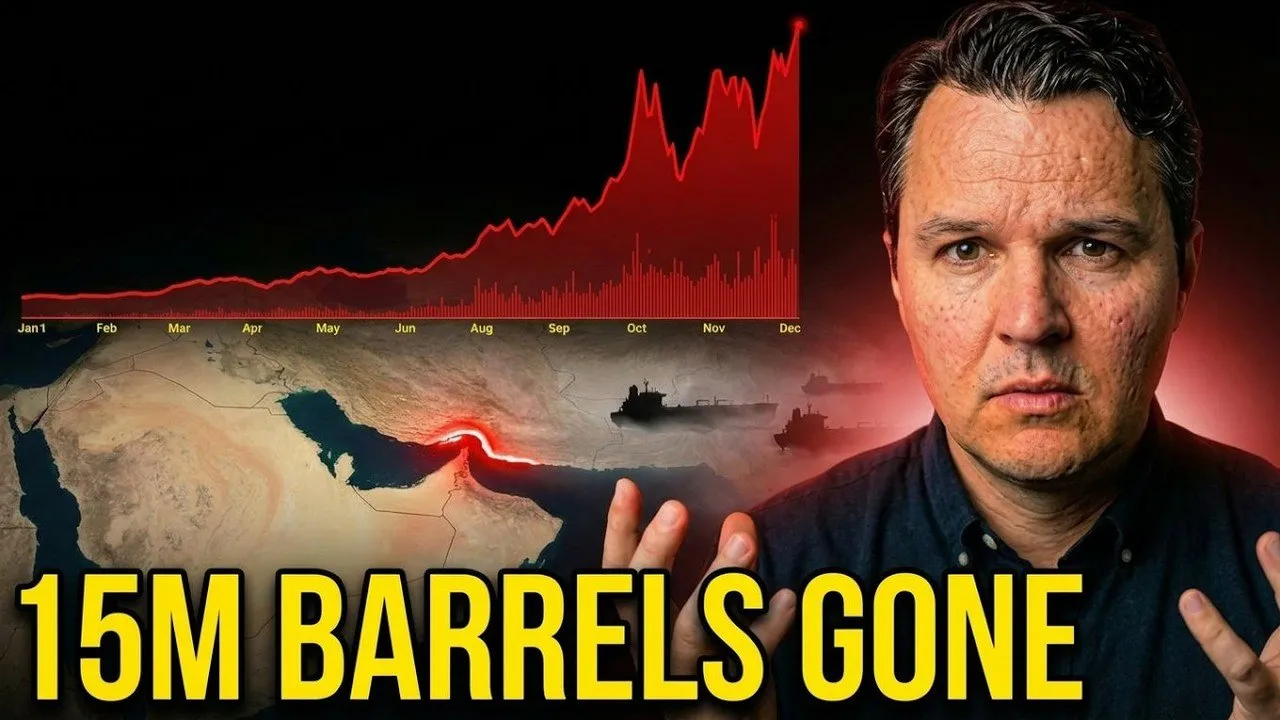
The primary catalyst for this heightened volatility is the rapid surge in oil prices, which topped $100 a barrel following coordinated production cuts. Historically, significant spikes in crude oil prices—particularly when they occur in a weakening economy—have served as the "pin that pops the market bubble."
The correlation between oil prices and the broader economy remains a critical focal point for analysts. Data suggests that as energy costs rise, discretionary spending and weekly production hours tend to fall, mirroring patterns observed during the dot-com bubble burst and the global financial crisis. The risk of stagflation—defined by high inflation combined with rising unemployment—is now a primary concern for institutional investors, as demand destruction becomes an increasingly likely outcome of sustained energy price hikes.
Outlook for Investors
With retail investors aggressively "buying the dip" over the past 30 days, the broader market remains positioned with little downside protection. This contrast between retail enthusiasm and institutional hedging suggests a misalignment that may be corrected as volatility continues to climb. The MOVE index, which tracks bond market volatility, has hit levels not seen since last November, signaling that financial conditions are tightening and growth expectations are shifting downward.
Market participants are currently monitoring the response of the G7, which has indicated a readiness to release strategic oil reserves to stabilize supply. However, analysts warn that if regional conflicts lead to sustained production shut-ins, these releases may prove insufficient to mitigate the economic damage. Investors are advised to manage risk through tighter stop-loss orders and to remain cautious of chasing rallies in an environment where systematic selling remains the dominant force.