Table of Contents
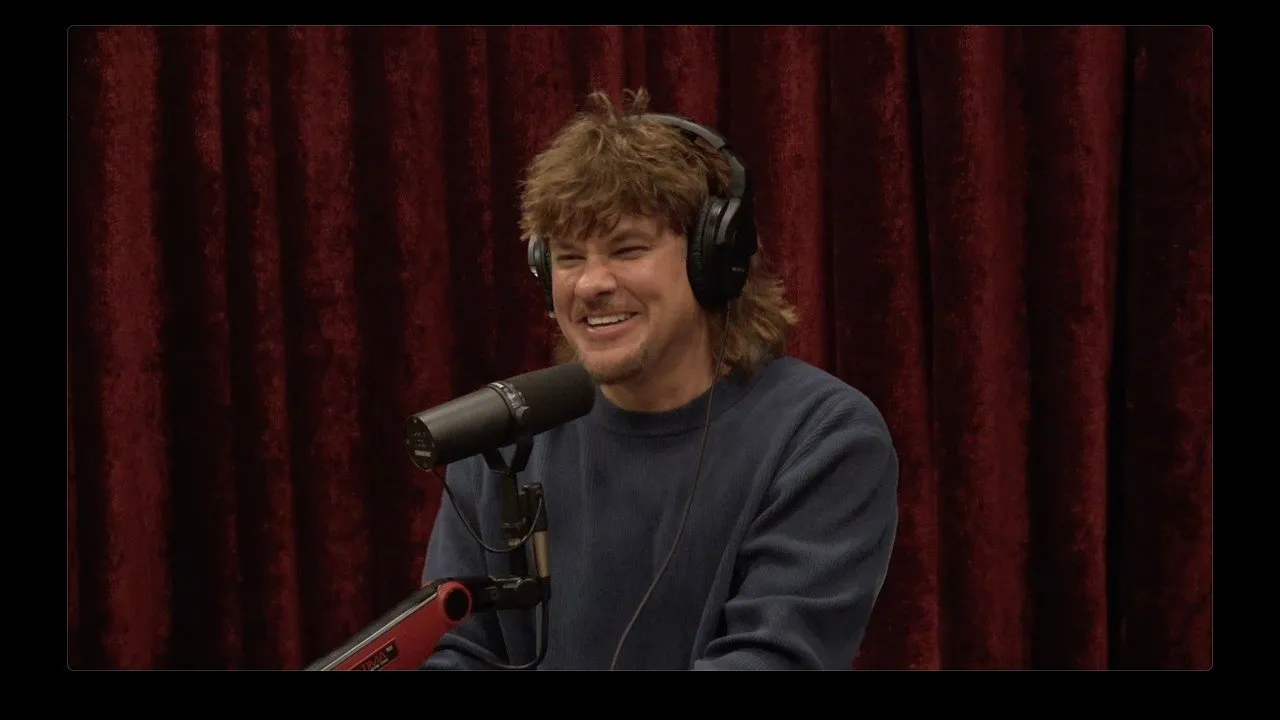
In a wide-ranging and often surreal conversation, Joe Rogan and comedian Theo Von delve into the shifting landscape of modern culture, technology, and the nature of power. From the rise of AI companions and the potential for a tech-driven societal shift to the darker realities of political maneuvering, the pair explores why modern life feels increasingly detached and precarious. They also touch on the importance of human connection, the decline of traditional comedy in the face of stifling industry standards, and the persistent, unsettling influence of large-scale geopolitical agendas.
Key Takeaways
- The AI Shift: The rapid integration of AI into daily life is fundamentally changing human interaction, with concerns that societal detachment may be a feature rather than a bug.
- Systemic Fragility: There is a growing public perception that government institutions are marred by waste, fraud, and a lack of accountability, leading to widespread disillusionment.
- The State of Comedy: Independent content creation has become a vital refuge for comedy, as creators move away from traditional studio gatekeepers who prioritize ideological narratives over humor.
- Geopolitical Realities: The discussion highlights the dangers of power being concentrated in the hands of a few, from the manipulation of natural resources like oil to the use of war as a tool for political survival.
The Automation of Human Life
As AI technology enters the consumer market, Rogan and Von contemplate the implications of digital companionship. What once seemed like science fiction is now entering the community, with AI avatars becoming increasingly sophisticated. Von questions whether younger generations will eventually prefer these simulated connections to the complications of real-world relationships. Rogan posits that the current trajectory—driven by data and a lack of emotional friction—might be steering humanity toward a new, more detached existence.
We’re thinking of autism as a flaw, but it might be a feature. It might be how it goes. Like there has to be some sort of a pathway from territorial primates to something new.
This discussion ties into broader concerns about how technological integration impacts cognition and social health. By replacing human contact with digital interactions, society risks losing the very empathy and emotional turbulence that define the human experience.
The Illusion of Control and Corporate Interests
The conversation shifts to the intersection of capitalism and governance, where the pursuit of profit often overrides public well-being. Rogan and Von discuss the alarming amount of waste in government programs and the lack of recourse for taxpayers. They suggest that when large institutions become too powerful, they often prioritize self-preservation over the needs of the citizenry.
Whether it involves the pharmaceutical industry, agricultural conglomerates, or tech giants, the duo argues that the lack of accountability creates an environment where deception thrives. The conversation touches on the idea that "the news" itself has become a tool for narrative management rather than an objective source of truth, leaving independent, albeit sometimes chaotic, voices as the only way to challenge the status quo.
The Rebirth of Independent Comedy
Despite the "woke" censorship critics often cite, Rogan and Von remain optimistic about the future of comedy. By self-financing their projects and bypassing traditional studios, comedians are regaining control of their craft. This creative autonomy allows for the kind of edgy, irreverent humor that has been largely missing from mainstream Hollywood for over a decade.
You can still do those movies, but you have to do it the way you just did it. You have to finance it yourself and you have to do it. But luckily now, man, you could shoot a whole movie on your phone.
This "springtime for content" is proving that audiences are hungry for authentic expression. Von’s upcoming film, Bus Boys, serves as a prime example of artists deciding to bet on themselves, proving that even with limited resources, a compelling idea can bypass the gatekeepers and find its audience.
Finding Human Connection in a Fragmented World
Ultimately, both men agree that the antidote to the rising tide of artificiality is a return to human-to-human connection. Whether it is through laughter in a green room, physical exercise, or simply spending time in nature away from the influence of light pollution and social media, they emphasize the necessity of grounding oneself in reality.
They conclude that while the world may seem increasingly strange and at times frightening, the power to maintain one's humanity rests on individual choices. By fostering genuine relationships, engaging in meaningful work, and maintaining a healthy dose of skepticism toward the "powers that be," individuals can reclaim their agency even in an era of rapid, uncertain change.
The conversation reflects a shared desire for a world where people can live with purpose and dignity. As they look toward the future, the message is one of cautious resilience: while systems of power may continue to shift, the fundamental value of human truth, humor, and individual perspective remains the most powerful force available.
![Warning TRUMP: This Is Very Dangerous [It’s Starting]](/content/images/size/w1304/format/webp/2026/04/trump-middle-east-market-volatility-oil-prices.jpg)