Table of Contents
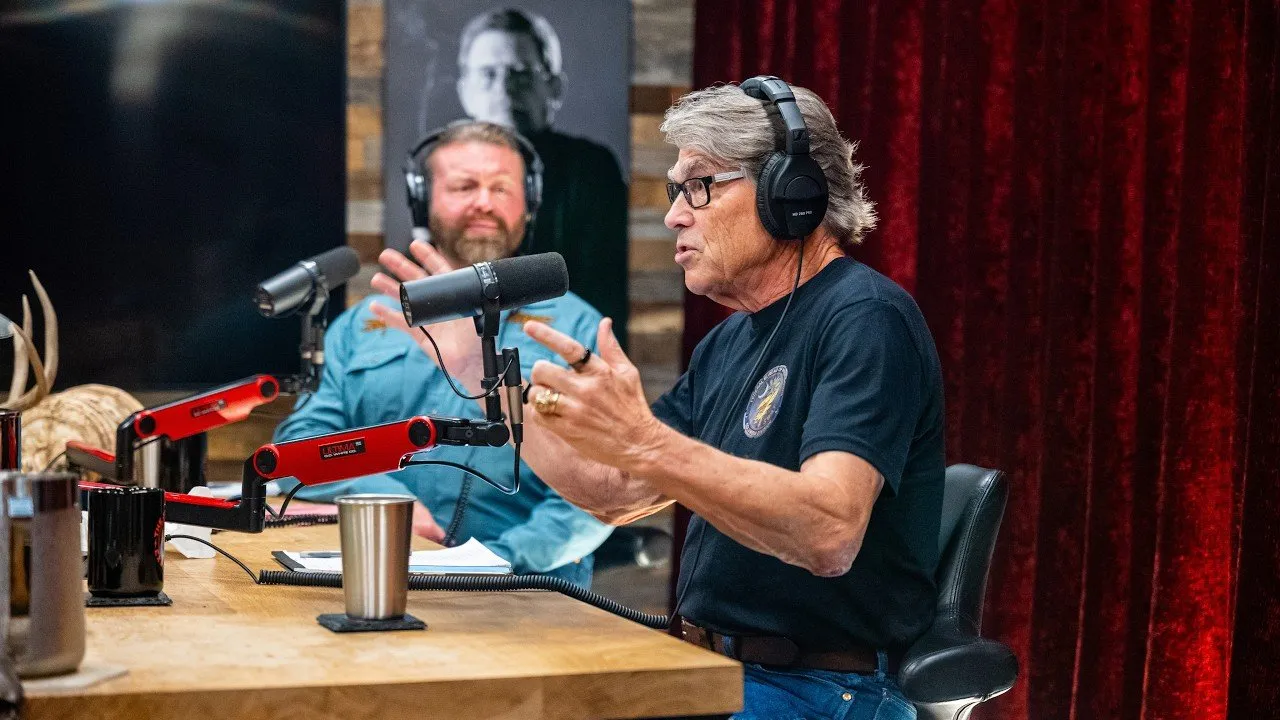
The landscape of mental health and addiction treatment in America is shifting as unconventional solutions move from the fringes into the halls of government. Recently, former Texas Governor Rick Perry and advocate W. Bryan Hubbard joined the Joe Rogan Experience to discuss their mission to integrate ibogaine—a powerful alkaloid derived from the iboga shrub—into the U.S. medical system. What was once dismissed as a counter-culture curiosity is now gaining significant political and scientific momentum as a potential breakthrough for veterans and those suffering from treatment-resistant conditions.
Key Takeaways
- State-Led Momentum: Texas has committed $100 million to fund a unified FDA clinical trial for ibogaine, setting a precedent that other states, including Mississippi and Tennessee, are quickly following.
- Neuroregenerative Potential: Research suggests ibogaine may provide more than just psychological relief; clinical observations point to potential neuroregenerative effects, helping to repair traumatic brain injuries (TBI) and reverse atrophy.
- Breaking the Stigma: Once heavily maligned by Nixon-era drug policies, ibogaine is being reframed as a non-recreational, medically significant tool for addressing the opioid crisis and PTSD.
- The "Moonshot" Goal: The initiative aims to force federal responsiveness, pushing the DEA to reclassify ibogaine and ensure access for patients with life-threatening conditions under existing "Right to Try" legislation.
The Case for Ibogaine as a Medical Breakthrough
Ibogaine is not a recreational drug; it is a profound tool for physiological and spiritual interruption of addiction. Unlike traditional pharmaceuticals that merely mask symptoms, ibogaine has been observed to interrupt opioid, alcohol, and methamphetamine dependency in as little as 48 to 72 hours. Hubbard explains that the molecule effectively resets the brain’s dopamine system, offering patients a chance to move from a state of compulsion to a life defined by conscious choice.
Neuroplasticity and Healing
The fascination among the medical community stems from ibogaine’s unique capacity for neuroplasticity. While other psychedelics like psilocybin have shorter windows of "openness" for the brain, ibogaine’s window appears to extend from 90 to 120 days. This allows for sustained healing, particularly for veterans who have endured repetitive concussive injuries. Rick Perry noted his own experience with the treatment, citing brain scans that indicated a 27% increase in prefrontal cortex activity and a notable reduction in brain atrophy six months post-treatment.
"This medicine does what it does. It heals people of addictions. It heals from PTSD. This medicine does what it does." — Rick Perry
From Policy Skepticism to Legislative Triumph
Governor Perry’s journey from a self-described "tough on crime" conservative to a leading advocate for psychedelics highlights a significant shift in political alignment. His early opposition to these substances—rooted in the "War on Drugs" rhetoric of the 1970s—evaporated after witnessing the transformation of veterans like Marcus and Morgan Luttrell. This personal connection proved that the potential to save lives outweighed the risks to his political reputation.
The success in the Texas legislature, where 181 out of 188 legislators voted to support the initiative, serves as a blueprint for other states. By focusing on the scientific potential for saving war fighters and addressing the opioid epidemic, Perry and Hubbard successfully bypassed the partisan gridlock that typically stalls drug policy reform.
Addressing the Federal Barrier
Despite state-level successes, the primary obstacle remains the federal government and the Drug Enforcement Administration (DEA). Hubbard emphasizes that current federal policy, which classifies ibogaine as a Schedule I substance with "no medicinal use," is a fictitious legal reality that directly contradicts emerging scientific evidence. The goal of Americans for Ibogaine is to use state-level legislative pressure to force a change in how the federal government views these compounds.
The Role of "Right to Try"
The strategy involves leveraging existing federal "Right to Try" laws. These statutes are intended to allow patients with life-threatening conditions to access medications that have passed Phase I safety testing. By completing a state-funded Phase I study, proponents believe they can compel the federal government to allow access to ibogaine, regardless of its current Schedule I status.
"We are looking at a future that much more resembles Mad Max than we are Star Trek. And if we are going to create the degree of social cohesion that is necessary... it begins with a spiritual reawakening." — W. Bryan Hubbard
A New Era of Human Potential
The implications of this movement extend beyond addiction treatment. By addressing the root causes of trauma, advocates believe they can spark a broader spiritual reawakening. Many proponents argue that society is currently suffering from a "spiritual famine," and that plant medicines provide a necessary affirmation of human dignity and autonomy that has been lost in the modern age of digital isolation and corporate-driven policy.
As states like Mississippi and Kentucky move to join Texas in this endeavor, the "moonshot" goal of full FDA integration seems increasingly plausible. Whether it is through addressing the wounds of war or healing those caught in the web of the opioid crisis, the focus remains clear: providing safe, informed access to medicine that holds the power to restore individual lives at scale.
The transformation of public opinion and policy around ibogaine demonstrates the power of curiosity over dogma. As research continues to provide data-driven evidence of the substance’s efficacy, the pressure on national institutions to adapt will likely reach a breaking point. For thousands of Americans, this isn't just a political debate; it is a desperate search for a second chance, and for many, the path to that second chance is now beginning to clear.