Table of Contents
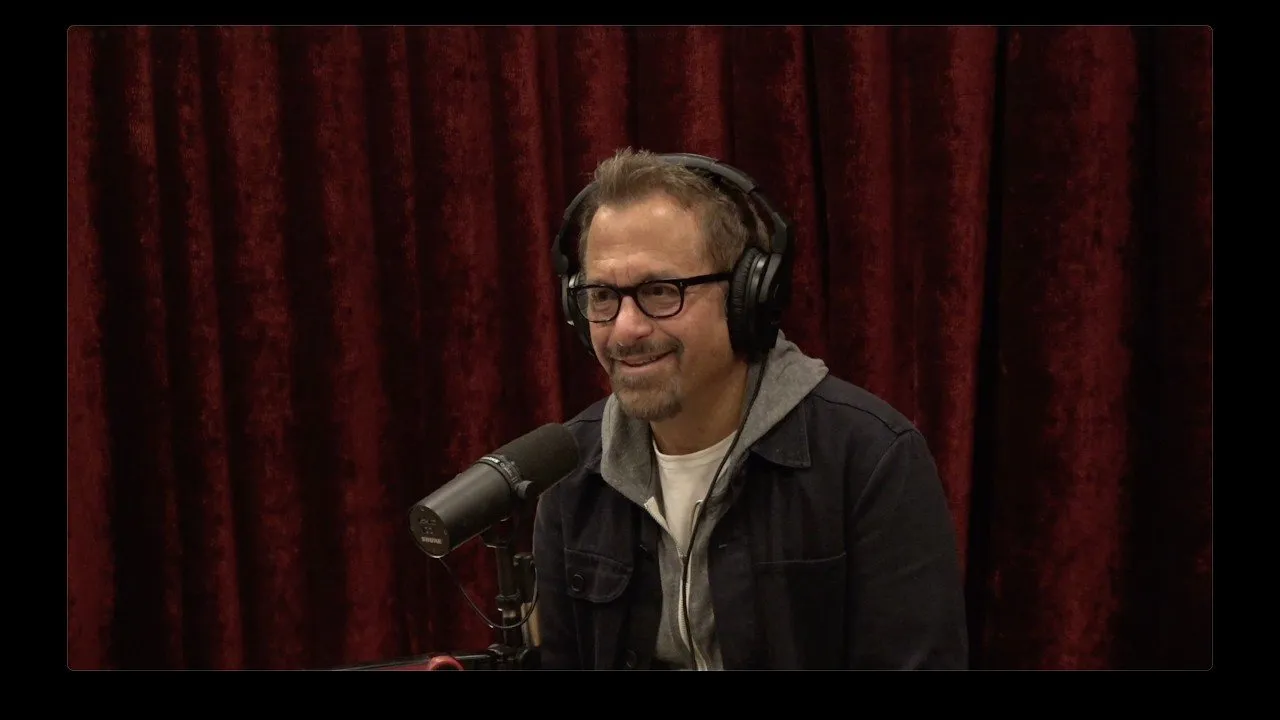
In a recent episode of The Joe Rogan Experience, filmmaker Andrew Jarecki joined Joe Rogan to discuss the harrowing realities uncovered in his latest documentary, The Alabama Solution. The conversation peels back the layers of a prison system operating in the dark, where corruption, brutality, and systemic negligence have become the norm. By documenting the experiences of those inside—often communicating through contraband cell phones—Jarecki sheds light on a human rights crisis that many taxpayers are unwittingly funding.
Key Takeaways
- Systemic Secrecy: Prisons often operate as "black sites" where lack of public and press access allows violence and corruption to flourish without accountability.
- For-Profit Exploitation: The prison system increasingly functions as a revenue-generating machine, extracting money from the families of inmates and utilizing incarcerated labor for corporate profit.
- The Myth of "Tough on Crime": Policies framed as "tough on crime" frequently result in the mass incarceration of non-violent individuals, failing to address the root causes of recidivism or mental health crises.
- The Power of Transparency: Exposure through journalism and documentaries is a vital "disinfectant," forcing institutions to confront practices that would otherwise be hidden from public view.
The Anatomy of a Broken System
Jarecki explains that the secrecy surrounding state-run prisons often leads to a environment where those in power believe they are beyond reproach. Because the public rarely sees what happens behind the perimeter fence, the system has become a "human wasteland" where drug addiction, rape, and excessive force are rampant. Notably, Jarecki highlights how correctional facilities frequently act as the primary drug-dealing hubs in their respective states, with guards often facilitating the flow of contraband to supplement their own low wages.
The Role of Convict Leasing
One of the most alarming revelations in the documentary is the modern iteration of convict leasing. Inmates are routinely sent to work for private industries and government facilities for pennies on the dollar, with little to no path toward genuine rehabilitation. As Rogan points out, prisons have become a catchall for the ills of society, including mental illness, rather than serving as institutions for correction or improvement.
When you give people total control over other people, bad things happen. Bad things happen every single time.
The Economics of Incarceration
Jarecki argues that the perversion of justice is driven by the profit motive. When private companies provide everything from communications to healthcare services within prisons, there is a financial incentive to keep those facilities at maximum capacity. This "prison industrial complex" prioritizes shareholder value over the basic human rights of those incarcerated. Furthermore, the lack of oversight on multi-billion dollar construction projects suggests that for some state agencies, the goal is not to improve public safety, but to facilitate institutional thievery.
The Human Cost and Mental Health
The conversation shifts to the long-term impact on mental health, both for those inside and their families. Jarecki notes that even in the rare instances where mental health professionals are present, the environment—often requiring communication through a "food tray slot"—makes genuine care impossible. Rogan emphasizes that releasing someone back into society after years of trauma, with only $50 and a bus ticket, is a "slow-release bomb" that sets individuals up for failure.
Escaping the Cycle
Despite the darkness, Jarecki points to small beacons of hope, such as the Doe Fund in New York, which provides a structured path for individuals re-entering society. These programs demonstrate that providing basic stability, community, and purpose can drastically reduce recidivism, proving that the solution lies in building human capital rather than merely locking people away.
Accountability and the Press
Both Rogan and Jarecki agree that a free press remains the ultimate deterrent against state-sponsored abuse. When journalists and documentary filmmakers are denied access, the public loses its ability to hold those in power accountable. Jarecki notes that his film has sparked genuine movement in Alabama, with bipartisan support for prison oversight legislation finally gaining traction because lawmakers "could not unsee" the reality of what was happening under their watch.
We’re spending 116 billion dollars a year in the United States on prisons, jails, and parole. That is an insane number. And if we’re spending that much money, we should sort of know what every one of those dollars is going to.
The path forward requires a shift in how society views justice. It demands a move away from the binary "tough on crime" versus "soft on crime" narrative and toward a nuanced understanding of public safety. By investing in education, community centers, and genuine rehabilitation, society can address the roots of crime rather than simply managing the symptoms within a broken, for-profit cage. As the conversation concludes, it becomes clear that transparency is not just an ideal—it is a necessary requirement for a functioning, moral community.