Table of Contents
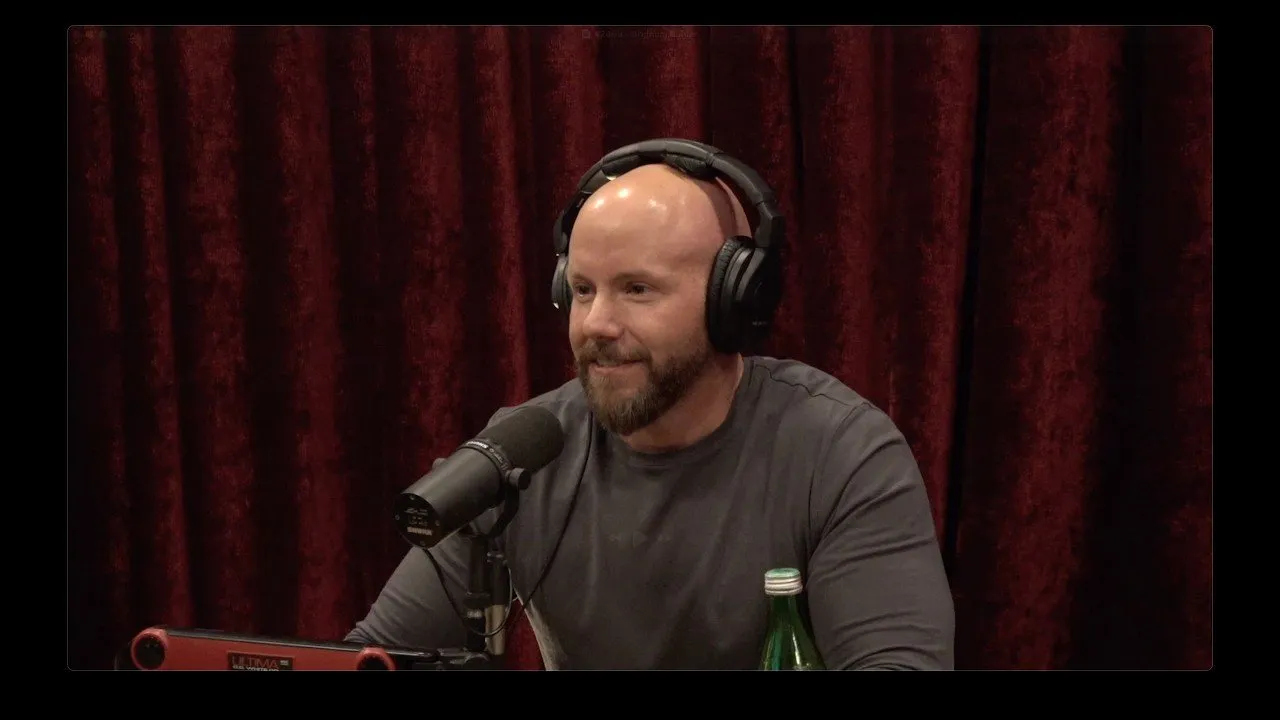
The landscape of modern healthcare is shifting. As patients become increasingly disillusioned with the traditional "sick care" model, a growing movement is championing proactive, personalized, and preventative medicine. In a recent episode of The Joe Rogan Experience, Brigham Buhler, founder of The Waist to Well, joined Joe Rogan to discuss the ongoing battle to increase patient accessibility to life-changing therapies like peptides, hormone replacement therapy (HRT), and advanced stem cell treatments.
Key Takeaways
- The Shift Toward Proactive Care: Modern medicine often focuses on managing chronic disease symptoms rather than preventing them; there is a massive, underserved demand for preventative, longevity-focused interventions.
- Challenging Medical Dogma: Much of the fear surrounding HRT—particularly concerns about prostate cancer—is based on outdated, debunked, or poorly interpreted studies from the 1930s.
- The Peptide Controversy: Peptides, often caught in a tug-of-war between big pharma’s patent interests and compounding pharmacies, are being re-evaluated for their potential to drive health span and vitality.
- The Role of Regenerative Medicine: Cutting-edge treatments, such as Muse stem cells and therapeutic plasma exchange (plasmaferesis), are demonstrating profound potential in repairing tissue and reducing systemic inflammation.
- Patient Autonomy: The core argument for these therapies is that individuals should have the sovereignty to pay for and access innovative medical solutions that can delay or prevent chronic illness, especially when the current insurance-based system fails to do so.
The Struggle for Peptide Accessibility
For years, Buhler has been at the forefront of the fight to keep peptides available to the public. He describes the regulatory environment under the previous administration as a "Trojan horse," where peptides were suddenly reclassified as dangerous without a clear scientific rationale. This move essentially stonewalled providers and patients alike, despite millions of individuals reporting significant improvements in their health and vitality through these compounds.
The friction, according to Buhler, lies in the economic ecosystem of the pharmaceutical industry. Bringing a drug to market through standard FDA channels can cost anywhere from $300 million to over $1 billion. Big pharmaceutical companies naturally seek to protect these investments via patents. However, because many peptides are naturally occurring molecules that cannot be patented in the traditional sense, they exist in a "no man's land" that threatens the profitability of the existing prescription-management paradigm.
The system is built to monetize and profit off of treating the symptoms of chronic disease. It's become a prescription management system, not a healthcare system. — Brigham Buhler
Debunking Hormone Replacement Dogma
A significant portion of the conversation focused on the persistent myths surrounding testosterone and hormone replacement therapy. Buhler highlighted that the fear of HRT causing prostate cancer is largely a byproduct of a singular, flawed study from the 1930s that involved only three patients. Despite modern urology practices consistently showing that optimal hormone levels do not increase the risk of prostate cancer—and may even offer protective benefits—the "urban legend" persists in medical schools and clinical settings.
This illustrates a larger theme in the medical community: the prioritization of consensus over critical inquiry. As Buhler notes, the pressure to conform to the "herd" in academia often stifles the adoption of new, life-extending protocols. By moving past this dogma, he argues, patients can address hormonal declines that occur in their 40s and 50s, effectively curbing the onset of chronic diseases that are otherwise accepted as an inevitable part of aging.
The Future of Regenerative Medicine
Beyond hormones and peptides, the discussion touched on the frontier of regenerative biology. Buhler introduced the concept of Muse stem cells (Multi-lineage-differentiating Stress Enduring cells), a unique subset of stem cells discovered in 2010. Unlike traditional mesenchymal stem cells (MSCs), which often act as signaling agents, Muse cells possess the ability to actually differentiate into the specific type of damaged tissue they encounter.
Furthermore, Buhler explored the potential of therapeutic plasma exchange, or plasmaferesis. By running blood through a filtration process, providers can remove inflammatory markers and environmental toxins—such as microplastics—that contribute to systemic fatigue and low testosterone. This, combined with gene sequencing, represents the "predictive medicine" of the future.
We’re in an era where we can build real-life X-Men. There's a gene-editing injection that can make your bone mineral density eight times stronger. — Brigham Buhler
Building a Life Raft
Buhler’s ultimate mission is not to destroy the traditional medical system but to build a "life raft"—a parallel, cash-pay model that offers high-touch, preventative, and predictive care. He emphasizes that this model relies on the integrity of the clinician-patient relationship. In a system where most primary care visits last only six minutes, the longevity-focused, cash-pay clinic allows for the battery of diagnostic tests necessary to catch issues years before they become catastrophic.
As state legislatures in Texas, Florida, and Arizona begin to pioneer more flexible "right to try" frameworks, the momentum for accessibility is growing. The potential for these states to become hubs for medical tourism, where patients can safely access FDA-approved biologics and innovative therapies, could signal a turning point for American health span.
Ultimately, the conversation underscores an optimistic vision for the future of human biology. As we move closer to understanding our genetic "software"—and identifying how to toggle specific traits that prevent disease—the focus is shifting from simply extending the years we live to maximizing the quality and vitality of those years. By prioritizing human health over the rigidity of bureaucratic processes, there is a clear path toward a new, more effective era of medicine.