Table of Contents
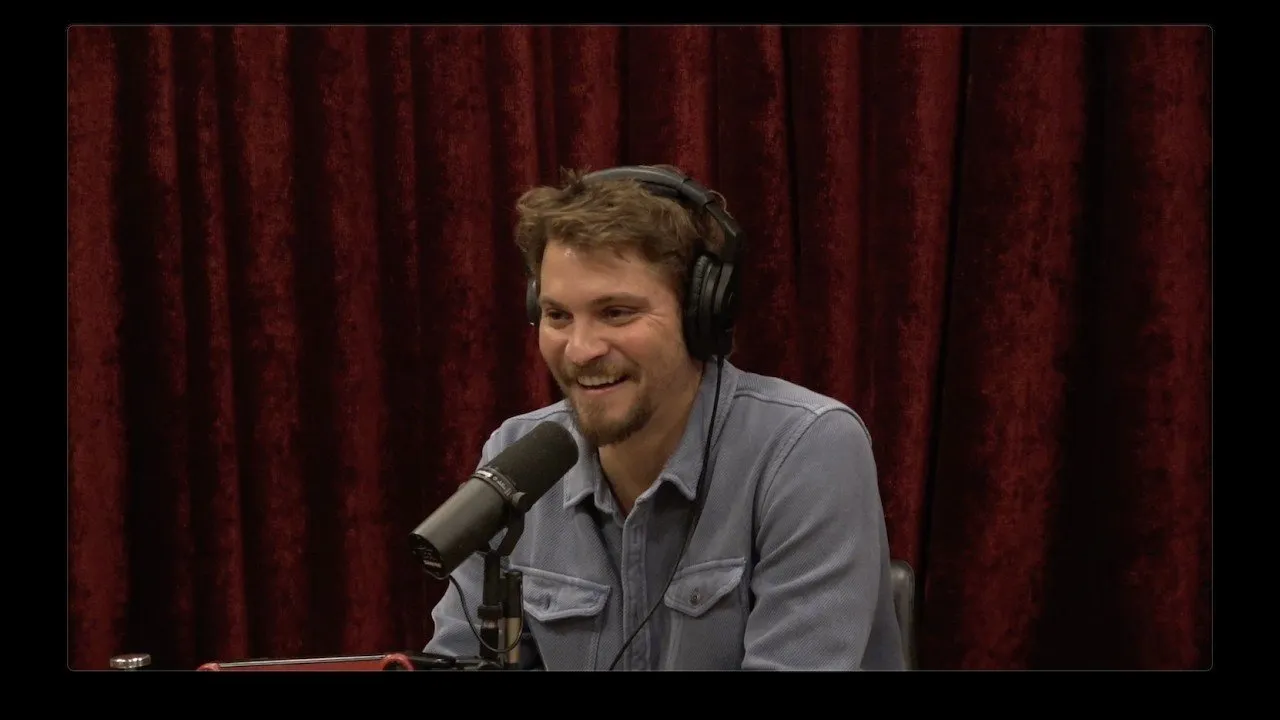
In a recent episode of The Joe Rogan Experience, actor and musician Luke Grimes joined Joe to discuss the unique pressures of fame, the challenges of creative evolution, and the grounding experience of living in Montana. The conversation spanned everything from the relentless work ethic of Yellowstone creator Taylor Sheridan to the raw, unfiltered reality of professional fighting and the search for authentic living in a digital age.
Key Takeaways
- The Creative Pressure Cooker: Both Rogan and Grimes emphasize that true creativity often thrives under pressure, noting how necessity forces artists to innovate, whether in a recording studio or on a comedy stage.
- The Montana Escape: Both men share a deep appreciation for the American West, describing the vast landscapes of Montana as a necessary antidote to the artificiality and "groupthink" often found in Hollywood.
- Martial Arts as a Foundation: A recurring theme is the discipline required for Jiu-Jitsu and MMA, which Rogan argues provides a "quiet confidence" that translates into better decision-making and emotional resilience in daily life.
- The Problem with "Velvet Prisons": Rogan warns against the tendency for successful entertainers to temper their voices, arguing that once an artist starts "policing" themselves to avoid controversy, they lose the edge that made them unique.
The Paradox of Creative Ambition
Grimes reflects on his transition from a successful television actor on Yellowstone to a musician touring in his 40s. He admits that navigating two distinct creative worlds—acting and music—is difficult, but he finds the lack of pressure on his music career refreshing. Unlike acting, where you must be "cast" or chosen by producers, his music allows him to pursue his own passion at his own pace.
The moral of the story is don't play golf. You know, that'll take up all your time. - Joe Rogan
Rogan and Grimes discuss the necessity of "showing up" for your art. Whether it is writing a comedy set or recording an album, the consensus is that the best ideas often seem to come from the "ether." They highlight the importance of treating creativity with respect, noting that successful artists often find their best work when they stop trying to over-intellectualize the process and simply commit to the work.
The Reality of Modern Combat Sports
The conversation inevitably drifts to MMA, a topic where Rogan’s expertise shines. They discuss the technical brilliance of athletes like Charles Oliveira and the absolute dominance of figures like Gordon Ryan. For Rogan, fighting is more than just violence; it is "high-level problem solving with dire physical consequences."
Learning to Fight to Stop Fighting
Rogan makes a poignant observation about the discipline of fighting: it is the best way to avoid fighting. People who truly understand the physical toll and the "chaos" of a real altercation are the least likely to engage in street fights. It is the inexperienced, often intoxicated individuals who are the most dangerous, precisely because they lack the control and awareness that formal training provides.
Finding Grounding in the American West
Both Rogan and Grimes share an affinity for Montana, viewing it as a place that humbles the ego. Grimes notes that the majesty of the mountains serves as a constant, natural anchor. While Hollywood can feel like a "velvet prison" where everyone is trying to become the same person, the wilderness demands a different kind of survival and presence.
The "Vampire" Nature of Vegas
In contrast to the mountains, they discuss Las Vegas, which Rogan likens to "sleeping next to a vampire." Despite the city's convenience and world-class dining, both agree that it is essentially a neon vacuum designed to extract money and fuel poor decision-making. Even for those who enjoy the fights or the action, living there long-term is viewed as a threat to one's peace of mind and, perhaps, their humanity.
The Search for Authenticity in a Digital World
The episode concludes on a reflective note regarding the impact of technology on the human psyche. Rogan and Grimes agree that smartphones have become a "bridge to crazy." By filtering our perception of the world through algorithmic feeds, we lose sight of the fact that, in real life, most people are decent and the world is far more stable than the news would have us believe.
Grimes shares his own strategy for staying sane: staying close to his family, engaging in physical challenges like hunting, and creating music that feels truthful rather than performative. By focusing on the tangible—the mountains, his family, and his craft—he avoids the trap of seeking validation from an industry that is perpetually looking for the next "pretty boy" to cast. Ultimately, the discussion serves as a reminder that regardless of your level of success, the most important work is the work you do to remain grounded, humble, and true to yourself.