Table of Contents
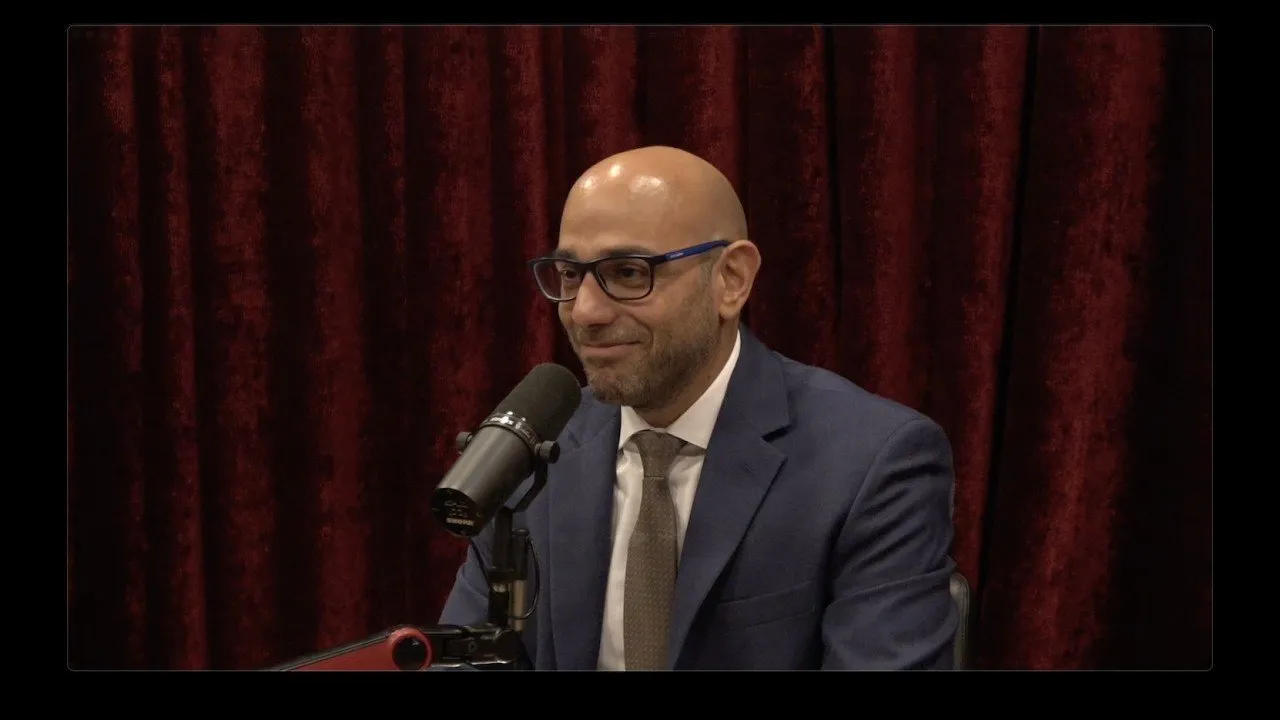
In recent years, the intersection of public health, government policy, and pharmaceutical influence has become a focal point of intense national debate. Among the most prominent voices challenging the status quo is attorney Aaron Siri, who has spent over a decade litigating against federal health agencies. In a candid discussion, Siri explores the National Childhood Vaccine Injury Act of 1986, the nature of pharmaceutical liability, and the necessity of questioning established medical narratives.
Key Takeaways
- Liability Immunity: Vaccines are the only medical products in the U.S. that enjoy broad legal immunity from lawsuits regarding design defects.
- The Economic Argument: Critics argue that removing economic self-interest—the risk of being sued—removes the primary incentive for corporations to ensure products are as safe as technologically feasible.
- Data vs. Belief: There is a distinction between scientific evidence derived from placebo-controlled trials and the belief-based narratives often disseminated by public health authorities.
- Censorship and Transparency: The role of social media and alternative platforms has been instrumental in exposing government-led censorship, allowing for a broader discourse on public health data.
The 1986 Act and Corporate Accountability
A central pillar of Siri's argument is that vaccines occupy a unique regulatory universe. While every other consumer product—from automobiles to household building materials—can be held to account through litigation if it causes harm, vaccines are protected by the National Childhood Vaccine Injury Act of 1986. Siri suggests that this immunity creates a "moral hazard" that decouples corporate profit from consumer safety.
Market Forces and Safety
Siri posits that in a free-market system, the most effective way to ensure product safety is through the company's own economic self-interest. When a corporation faces the prospect of losing billions in litigation, they are naturally incentivized to invest in rigorous, multi-year, placebo-controlled trials before bringing a product to market. He argues that by granting immunity to vaccine manufacturers, Congress effectively removed the most powerful check on product development, leading to a system where the "market" no longer filters out dangerous or subpar formulations.
"The only product, and I mean this literally, the only product in America where you cannot sue to say had you made that product safer, my child wouldn't be dead, my child wouldn't be seriously injured... are our childhood vaccines."
Challenging Historical Narratives
The conversation often turns to the "religion" of vaccines—the idea that modern society would face total collapse without them. Siri challenges the common perception of diseases like the measles. He points to CDC data indicating that mortality from measles had already declined by over 98% in the United States prior to the introduction of the measles vaccine. He attributes this largely to improved sanitation, better nutrition, and advancements in acute medical care, rather than mass vaccination alone.
The "Inconvenient Data" Problem
Siri highlights studies—many of which are available via PubMed—that suggest individuals who have recovered from natural childhood infections may experience lower rates of certain cancers and cardiovascular diseases later in life. He argues that while these findings are often labeled "anti-vax" or "pseudoscientific" by mainstream critics, they represent legitimate data points that deserve rigorous, dispassionate inquiry rather than immediate dismissal.
The Intersection of Government and Pharma
A recurring theme throughout the discussion is the "revolving door" between regulatory agencies and the industries they oversee. Siri points to the tendency of high-level officials from the CDC and FDA to transition into lucrative roles within the pharmaceutical industry after leaving public service. This systemic arrangement, he argues, fosters a culture of complicity where the agencies are less concerned with questioning industry claims and more focused on maintaining the "narrative" to preserve their institutional legitimacy.
The Problem of Captive Agencies
Siri explains how federal agencies often become "captive" to the very industries they are tasked with regulating. Because these bureaucrats are unelected and operate largely outside the scope of direct democratic oversight, they can pass thousands of regulations with the force of law. When these agencies become ideologically captured, they shift from public health advocates to defenders of the pharmaceutical bottom line.
"It starts as a good idea but unfortunately it ends up being what the literature calls... captive agencies. CDC and FDA very much are to varying degrees... very much captive agencies when you look closely at it."
The Importance of Free Discourse
The dialogue concludes with a reflection on the importance of free speech and the dangers of curated search results and algorithmic censorship. Siri emphasizes that the most dangerous approach to public health is the suppression of dissent. He advocates for a transparent, evidence-based approach where even the most uncomfortable data is allowed to be scrutinized in the public square. By encouraging debate rather than enforcing orthodoxy, he believes society can foster a more genuine commitment to both health and individual liberty.
Conclusion
Ultimately, the discussion serves as a call for intellectual honesty and institutional accountability. Whether one agrees with every point raised regarding vaccine safety or not, the underlying message remains that skepticism is a vital component of science. By demanding transparency and refusing to accept narratives based purely on authority, citizens can begin to demand a medical and regulatory system that prioritizes the health of the individual over the convenience of a lobbyist-driven industry.