Table of Contents
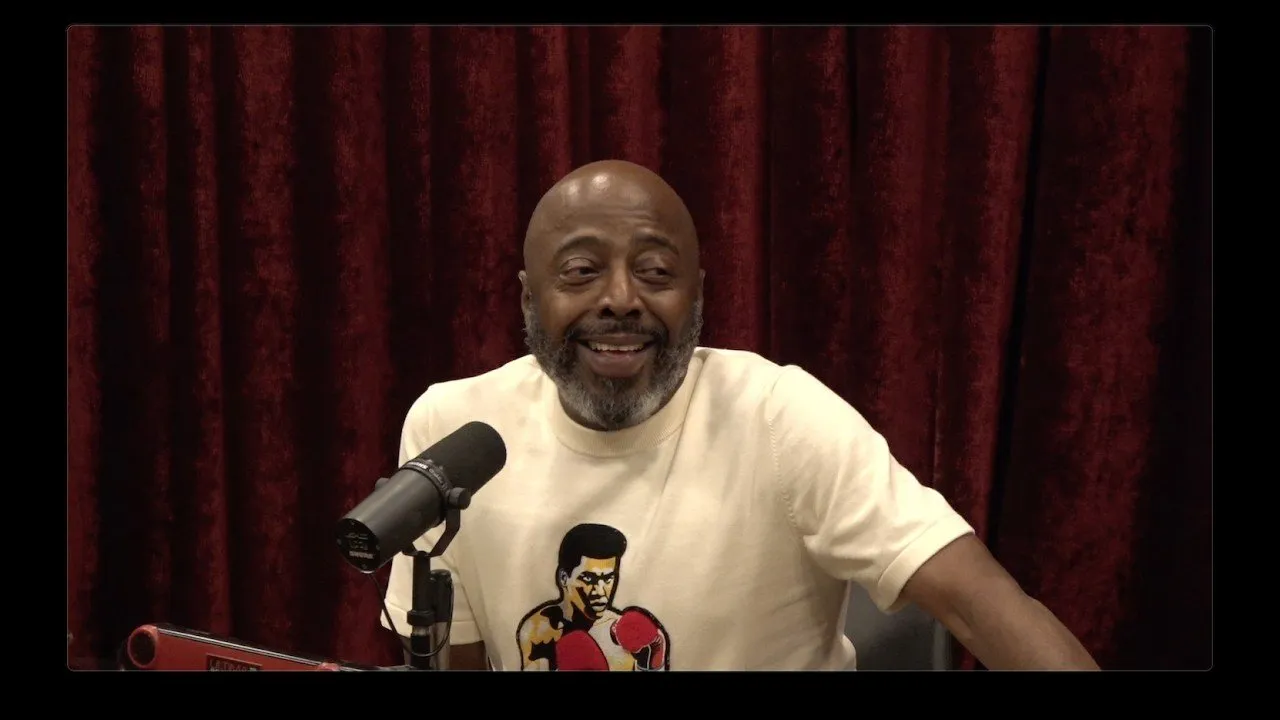
In Joe Rogan Experience episode #2455, comedian Donnell Rawlings returns to the studio for a wide-ranging conversation that oscillates between hilarious anecdotes and deep philosophical introspection. Known for his tenure on Chappelle’s Show and his energetic stand-up, Rawlings brings a vulnerability to this episode, discussing the physical realities of aging, his recent "redemption" on the Kill Tony podcast, and the complexities of navigating success in an industry often fueled by jealousy. Rogan and Rawlings dissect everything from the chemistry of menthol cigarettes to the predatory nature of state lotteries, offering listeners a blend of health advice, industry "inside baseball," and life lessons on focus and resilience.
Key Takeaways
- The Diet Debate: Rogan challenges the demonization of red meat, arguing that sugar and processed additives—not steak—are the primary drivers of health issues like diabetes and inflammation.
- The "Menthol Effect": A deep dive into how menthol anesthesia masks the harshness of smoke, potentially increasing addiction rates and targeting specific demographics.
- Comedy Politics: Rawlings and Rogan criticize the current trend of "exposing" other comedians for clicks, attributing it to professional jealousy rather than genuine critique.
- The Lottery Scam: A breakdown of how state lotteries function as a tax on the poor, highlighted by the story of mob boss Whitey Bulger laundering money through a winning ticket.
- Focus Management: Rogan shares his philosophy on ignoring critics, viewing daily energy as a finite resource that should not be wasted on negativity.
Health, Diet, and the Aging Process
The conversation begins with a candid admission from Rawlings regarding his digestive struggles, specifically identifying red meat as a potential culprit. This sparks a classic Rogan rebuttal regarding the modern diet. Rogan posits that the issue is rarely the meat itself, but rather the accompaniments—specifically sugary mixers, alcohol, and processed carbohydrates—that cause inflammation and digestive distress.
Sugar vs. Red Meat
Rogan argues that the vilification of red meat and salt is largely a result of historical misinformation campaigns funded by the sugar industry. He points to the correlation between high sugar intake and type 2 diabetes, noting that natural sugars (like fructose in fruit) are metabolized differently due to fiber content, whereas liquid sugar in sodas delivers a shock to the system.
"Your body does not know what the f*** to do with that, cuz nowhere in nature do you get sugar in a liquid form like that."
The duo discusses the physiological toll of aging, with Rawlings noting that at 58, his body no longer tolerates the lifestyle choices of his youth. This leads to a broader discussion on the necessity of discipline—or a "handler"—to manage diet and health as one enters their senior years.
The Science of Smoking and "The Menthol Effect"
The dialogue shifts to vices, specifically nicotine. Rogan acknowledges nicotine as a potent cognitive enhancer used by academics and writers but emphasizes the catastrophic delivery method of smoking. The conversation takes a fascinating turn when they examine the "Menthol Effect."
Reading from a report, they explore how menthol acts as a mild anesthetic. It activates cold-sensitive nerve receptors in the airway, numbing the throat and suppressing the cough reflex. This sensory trickery reduces the perceived harshness of the smoke, allowing users to inhale deeper and hold the smoke longer, which may increase the addictive potential of the nicotine. Rawlings reflects on the cultural targeting of menthol brands like Newport and Kool toward the Black community, noting the intersection of aggressive marketing and the biological appeal of a "smoother" smoke.
Challenging Institutional Narratives
Rogan and Rawlings spend a significant portion of the episode dissecting systems that they believe prey on the public's need for hope and belief—specifically organized religion and state lotteries.
The Lottery as a "Legalized Scam"
Rogan characterizes the lottery as a tax on desperation. He breaks down the mathematics of the jackpot, noting that between the state taking 50% of ticket revenue upfront, the reduced "cash option" payout, and subsequent taxes, the government is the only guaranteed winner.
To illustrate the corruption often lurking behind these systems, Rogan cites the story of Whitey Bulger, the notorious Boston mob boss. Bulger "won" the Massachusetts lottery in the 1990s, not through luck, but by forcing the actual winner to sign the ticket over to him as a method of money laundering. This anecdote serves as a grim reminder of how systems designed to sell dreams can be manipulated by those in power.
Misconceptions in Faith
The conversation briefly touches on biblical literacy. Rogan shares his recent findings from reading the Bible, specifically noting that the text never specifies the forbidden fruit was an apple—a misconception born from translation and art history rather than scripture. They discuss how the need to believe is a fundamental human trait, one that is often exploited by "prosperity gospel" preachers who demand donations from those who can least afford it.
The State of Comedy: Beef, Jealousy, and Craft
As veterans of the stand-up scene, Rawlings and Rogan provide a raw look at the current state of comedy. They lament the shift from comedians trying to be funny to comedians trying to be "provocateurs" by attacking their peers.
The "Exposed" Culture
Rawlings expresses frustration with the modern trend of comedians using podcasts to "expose" or tear down more successful acts. He argues that this behavior usually stems from jealousy rather than a moral high ground. He defends "made men" of comedy like Martin Lawrence and Kevin Hart, suggesting that critics often fail to respect the undeniable grind required to reach that level of stardom.
"Most people are not exposing. What most people are doing when they're being negative is they are jealous and they are below the person they're talking s*** about."
Rogan supports this, noting that successful people rarely have the time or inclination to tear others down. He cites an interaction with a bitter peer who couldn't understand why their career stalled while others flourished, attributing the stagnation to a focus on negativity rather than craft.
The Kill Tony Redemption
Rawlings addresses the "elephant in the room"—his contentious previous appearance on the Kill Tony podcast where he walked off stage. He explains the context: a combination of alcohol, feeling disrespected by a guest, and a misunderstanding of the show's format. However, he highlights his recent return to the show as a moment of redemption.
By studying the format and respecting the "one minute" rule for new comics, Rawlings was able to turn the narrative around. Rogan praises this ability to evolve, noting that the second appearance was "amazing" because Rawlings focused on being supportive and funny rather than defensive.
The Psychology of Focus and Success
Perhaps the most actionable advice in the episode comes from Rogan’s philosophy on mental energy. He uses the analogy of a "point system" to explain why engaging with haters is a self-defeating strategy.
Rogan posits that every person has a limited amount of focus—hypothetically "100 points" per day. Spending even 30 of those points ruminating on negative comments, internet beefs, or the success of others is a direct theft from one's own potential. This 30% reduction in available energy hampers creativity, relationships, and personal growth.
Rawlings resonates with this, sharing advice he received from legendary manager Barry Katz regarding how to break into the industry: "Be undeniable." The consensus is that while marketing and social media are tools, they cannot replace the foundational work of being so good at your craft that the industry has no choice but to pay attention.
Conclusion
The episode closes with a nostalgic look back at the COVID-19 pandemic. While the world was in lockdown, Chappelle, Rogan, Rawlings, and their circle created a "summer camp" in Ohio—a bubble of creativity and freedom in the midst of global fear. This experience reinforced the bond between them and highlighted the importance of community.
Ultimately, JRE #2455 serves as a testament to the endurance of the "old guard" of comedy. Rawlings and Rogan demonstrate that longevity in the entertainment business isn't just about talent; it's about maintaining physical health, ignoring the noise of detractors, and consistently showing up to do the work.