Table of Contents
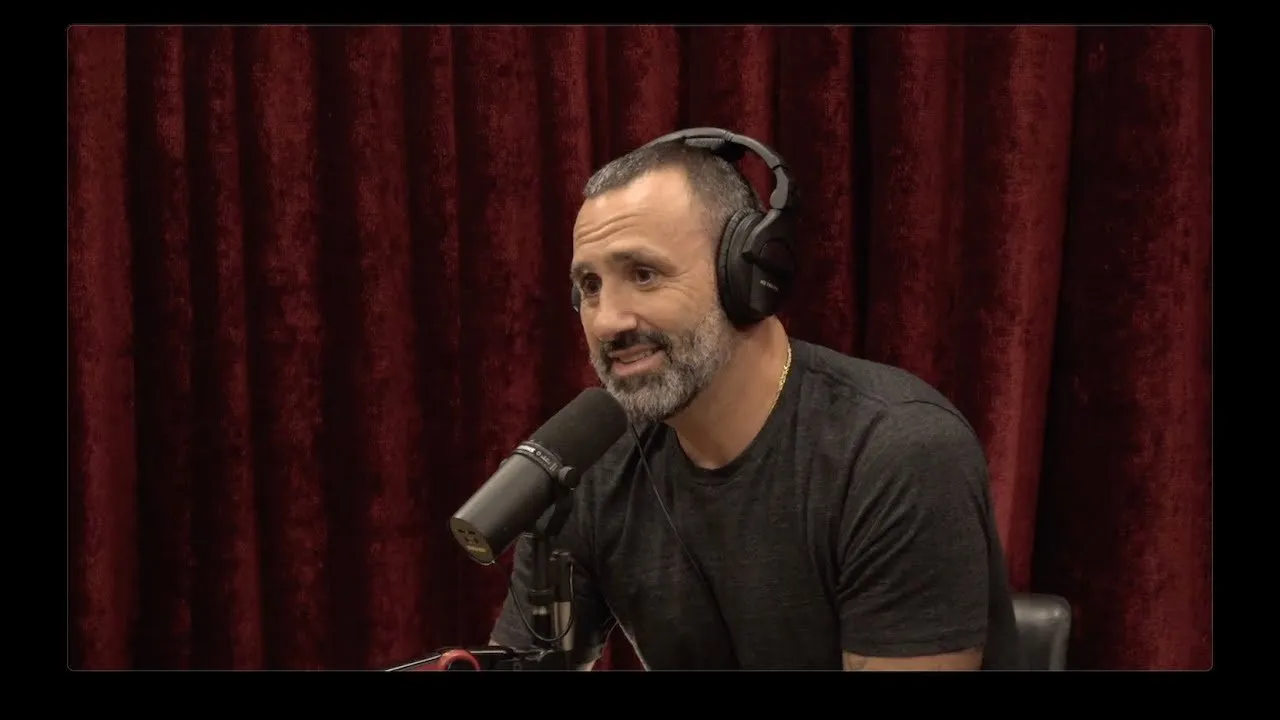
Josh Dubin returns to discuss the evolving complexity of wrongful conviction cases, sharing insights from recent legal victories and ongoing battles within America's justice system. From DNA theft schemes involving Marvel executives to corrupt detectives with dozens of overturned cases, these stories reveal how the inability to admit fault permeates far beyond courtrooms.
Key Takeaways
- Wrongful conviction work becomes more bizarre and complex over time, not more routine, with cases ranging from DNA theft to prosecutorial corruption
- The Pearl Mutter case resulted in a $50 million verdict against a Canadian man who orchestrated DNA collection through fake depositions
- Detective Lewis Garcella has been linked to 21 vacated convictions in Brooklyn, yet faces no criminal consequences due to qualified immunity
- Immigration enforcement increasingly targets long-term residents with decades-old convictions, separating families and wasting resources
- The clemency process remains opaque and politically driven, with cases like Michael Giles showing how personal bias can override justice
The Human Psychology Behind Legal Failures
Dubin opens with observations from Malcolm Gladwell's latest book about executives unable to apologize for the opioid crisis, using carefully crafted language like "associated with addiction" rather than admitting fault. This pattern extends throughout the legal system, where admitting mistakes becomes professionally and financially dangerous.
The more you do this work, the more nutty and bizarre it gets, and you find yourself in these situations where you're like, that can't be.
The reluctance to acknowledge errors creates a cascade of injustices. Detectives follow hunches that lead them astray, prosecutors double down on weak cases, and judges refuse to overturn convictions even when evidence clearly points elsewhere. This psychological phenomenon affects everyone from pharmaceutical executives to street-level law enforcement.
The Corruption Versus Incompetence Debate
While outright corruption exists, Dubin suggests many wrongful convictions stem from investigators genuinely believing they're pursuing the right suspects. They manipulate evidence not from malice but from conviction—a dangerous combination that produces equally devastating results. The detective "knows" who committed the crime and works backward to build a case, unconsciously filtering information to support their theory.
The Pearl Mutter DNA Theft Case
The case that gives Dubin's center its name demonstrates how private citizens can weaponize forensic science. Ike and Lori Pearl Mutter, former Marvel chairman and philanthropist respectively, became targets of an elaborate scheme involving stolen DNA and fabricated evidence.
The Tennis Court Dispute That Spiraled
What began as a neighborhood disagreement over tennis facilities escalated into accusations of hate mail. A Canadian businessman, angry that a tennis pro refused his real estate partnership, wrote inflammatory memos accusing her of federal crimes. When Ike Pearl Mutter defended the tennis pro by funding her defamation lawsuit, the situation metastasized.
Hate mail targeting the Canadian began appearing throughout the community—vicious content accusing him of murder and child molestation, decorated with Hebrew words and Jewish symbols. Convinced the Pearl Mutters were responsible, he embarked on a vigilante investigation involving DNA collection from trash cans and car surfaces.
The Deposition DNA Heist
The Canadian orchestrated an elaborate scheme to collect DNA during a legal deposition. Working with a former crime scene analyst and retired deputy police chief, they carefully planned which documents Ike would handle and ensured Lori touched only a specific water bottle. They treated the aftermath like a crime scene, sending materials to unaccredited labs for testing.
The good news is we have a full profile. The bad news is it's not associated with the promoters.
This email from lab personnel revealed the predetermined outcome they sought. When an expert witness later admitted this language "had no place" in scientific analysis, it marked a rare moment of honesty in Dubin's experience—scientists acknowledging that results should never be "good" or "bad" based on who they implicate.
Contaminated Evidence and Continued Pursuit
The unaccredited lab claimed Lori's DNA matched hate mail samples, but this conclusion relied on contaminated test runs that the accredited lab had discarded. The technician accidentally used the suspect's DNA solution instead of a control sample, contaminating the entire batch. Recognizing his error, he excluded these results from his official report.
Despite learning the true perpetrator was his former business associate—a man arrested by Canadian authorities with hate mail samples and latex gloves—the Canadian continued his campaign. Evidence suggests he demanded hundreds of millions from the Pearl Mutters, threatening public exposure if they refused payment.
Prosecutorial Corruption and Systemic Bias
The case of Detective Lewis Garcella illustrates how individual corruption can destroy dozens of lives. This Brooklyn homicide detective has been connected to 21 vacated murder convictions, yet faces no criminal consequences due to qualified immunity protections.
The Nelson Cruz Frame-Up
In 1998, Officer Potti witnessed a murder, literally seeing the muzzle flash and arresting Eduardo Rodriguez with the smoking gun. Rodriguez was delivered to Garcella, who somehow constructed a narrative where 17-year-old Nelson Cruz was the real killer. Rodriguez claimed he found the gun after Cruz dropped it fleeing the scene—a story contradicted by the arresting officer's testimony.
The case featured classic misconduct: a witness who materialized at the precinct, was told what weapon was used, informed that Cruz was the suspect, then picked Cruz from a lineup. All three violations of established investigatory practices occurred in sequence. At trial, prosecutors couldn't "locate" Rodriguez to testify about his supposed witness account.
After 20 years, witness Andre Bellinger was exposed as a fabricator. Multiple people testified he was blocks away during the murder. Despite overwhelming evidence and 20 witnesses at post-conviction hearings, the judge—later revealed to have advanced Alzheimer's disease—denied Cruz's petition for exoneration.
The Continuing Cost
Cruz served 26 years before parole in 2023. He walks around nervous and paranoid, suffering severe anxiety from decades of imprisonment for a crime everyone knows he didn't commit. Meanwhile, Rodriguez walks free, never prosecuted despite being caught red-handed with the murder weapon.
This pattern repeats across the system. When DNA exonerates someone or witnesses recant, prosecutors rarely pursue the actual perpetrators. The bureaucratic and political costs of admitting error outweigh justice for victims and society.
Immigration Enforcement Gone Wrong
Beyond wrongful convictions, Dubin encounters cases where immigration policy intersects with prosecutorial overreach. He describes a 70-year-old Albanian man facing deportation for a 50-year-old killing that occurred under circumstances that would likely be considered self-defense today.
The Gas Station Incident
In the early 1970s, a young Albanian refugee paid for gas with a $100 bill. The attendant kept the money, promising change later, then refused to return it. When the man returned with his brother to resolve the dispute, the attendant shot his brother in the stomach. Seeing his brother bleeding out and the attendant still holding the gun, the man retrieved his own weapon and fired once, killing the attendant.
The incident resulted in a hung jury on the first trial, with most jurors favoring acquittal. A second trial produced a conviction, but the judge recognized the circumstances and sentenced him to just four years. He served his time, became a union superintendent, raised five children, and lived 51 years without so much as a traffic violation.
Modern Consequences for Old Cases
During recent travel, immigration authorities flagged his decades-old conviction and initiated removal proceedings. This man who built a life, paid taxes, and contributed to society for half a century now faces deportation to Montenegro—not even his country of origin, but where Albanian citizens are sent.
Isn't that the type of person we want who has contributed to this society for 51 years and built a family?
The case exemplifies how immigration enforcement prioritizes numbers over sense. Rather than focusing resources on dangerous criminals, agents pursue easy targets to meet quotas—elderly grandfathers whose only crime was defending family decades ago.
The Clemency System's Fatal Flaws
Dubin's experience with Florida Governor Ron DeSantis illustrates how personal bias corrupts the clemency process. Michael Giles, an Air Force serviceman, shot someone in apparent self-defense during a massive club fight in Tallahassee.
Clear Self-Defense Circumstances
Giles had never been to the venue before and had nothing to do with the fight that erupted. While waiting for friends near the parking lot melee, he was sucker-punched by someone who testified he intended to hurt Giles and knock him out. As Giles lay on the ground during ongoing violence, he drew his licensed firearm and shot his attacker in the leg. Fragments hit two others nearby.
The attacker testified that Giles had done nothing to him physically, that he hit him with a full running start using his entire body weight, and that he intended to hurt him. Under these circumstances, Giles received a 25-year mandatory minimum sentence.
The DeSantis Deception
After 15 years in prison without a single disciplinary ticket, Giles appeared headed for clemency. DeSantis had previously indicated willingness to grant relief, then withdrew at the last moment. When Dubin took the case, he fulfilled every requirement the governor requested—interstate compact agreements, supervised release plans, dozens of high-profile supporters including former U.S. attorneys.
The Florida Commission on Offender Review gave Giles a positive recommendation. The attorney general supported release. Even the prosecutor agreed to transport Giles for the hearing. Then, without articulated reason, DeSantis reversed course again.
At the last second, for no articulated reason, he said, 'You know what? I've changed my mind.' That is brutal. It's evil in my opinion.
Adding insult to injury, research revealed the original prosecutor had been investigated by the Department of Justice for targeting Hispanic defendants with harsher punishments—a memo hanging over his office water cooler explicitly stated this policy.
The Broader Pattern of Systemic Failure
These individual cases reflect broader institutional problems. Qualified immunity protects corrupt police officers. Prosecutorial immunity shields overzealous district attorneys. Political considerations trump justice in clemency decisions. Immigration enforcement prioritizes statistics over sense.
The Psychological Toll
Dubin describes becoming emotionally invested in clients' families, watching their pain compound over years and decades. He speaks with spouses who've waited 30 years for their husbands' release, children who've grown up visiting parents in prison for crimes they didn't commit, elderly immigrants facing deportation from the only country they've ever known.
The empathy that makes Dubin effective at this work also makes it emotionally devastating. Each case represents not just legal failure but human tragedy—lives destroyed by a system that protects its own credibility over truth.
Solutions and Systemic Reform
Real change requires transparency and accountability. Dubin plans to create public repositories where people can examine case documents themselves rather than relying on media interpretations. This allows citizens to make informed judgments about their elected prosecutors and judges.
The Safer Supervision Act, supported by 80% of voters across party lines, would create merit-based systems for post-release supervision. Rather than arbitrary terms, people would earn reduced oversight through good behavior and positive contributions.
But structural reforms face massive resistance from entrenched interests. Police unions protect corrupt officers. Prosecutor associations defend prosecutorial immunity. Private prison companies profit from mass incarceration. Immigration enforcement agencies justify budgets through deportation numbers.
Personal Responsibility and Collective Action
Despite systemic obstacles, individuals can make differences. Dubin emphasizes researching local prosecutors and judges before elections. Understanding clemency processes. Supporting transparency initiatives. Demanding accountability from public officials.
The conversation shifts to broader questions about personal freedom and responsibility. Drawing parallels between criminalizing marijuana and other substances, they explore how prohibition creates more problems than the substances themselves.
The Drug War's Parallel Injustices
Like wrongful convictions, drug prohibition stems from industrial interests rather than public health concerns. William Randolph Hearst criminalized hemp to protect his paper mills from superior hemp fiber. The resulting "war on drugs" has incarcerated millions for non-violent offenses while enriching cartels and corrupt officials.
Spencer Bowens and others serve decades for drug crimes that modern laws treat far more leniently. Larry Hoover, 75 years old and in prison for over 50 years, had his federal sentence commuted only to be held on state charges while his co-defendant was released decades ago.
Isn't 50 years enough? What's the utility in keeping someone like that in?
These cases illustrate how past injustices perpetuate present suffering. Officials fear appearing "soft on crime" more than they value justice or mercy.
Finding Hope in Dark Places
Despite documenting extensive corruption and suffering, Dubin maintains optimism rooted in small victories and genuine human connections. The Pearl Mutter Center exists because wealthy victims used their experience to help others. Prosecutors like Eric Gonzalez in Brooklyn actively investigate wrongful convictions. Judges occasionally acknowledge mistakes.
Progress comes through persistent pressure and public attention. The Ohio Four case may eventually succeed through sustained advocacy. Nelson Cruz may gain exoneration through the Brooklyn conviction integrity unit. Michael Giles could receive clemency from a future governor with more humanity.
Each victory validates the broader struggle for justice. When billionaires can win $50 million defending their reputations, it affirms that everyone's reputation matters. When DNA evidence frees the wrongfully convicted, it reinforces science over speculation. When corrupt detectives are exposed, it protects future potential victims.
The work continues because truth remains stubborn. Evidence accumulates. Witnesses' consciences eventually surface. Documents emerge from sealed files. Justice delayed is justice denied, but justice denied completely is worse—and ultimately unsustainable in societies that claim to value truth.