Table of Contents
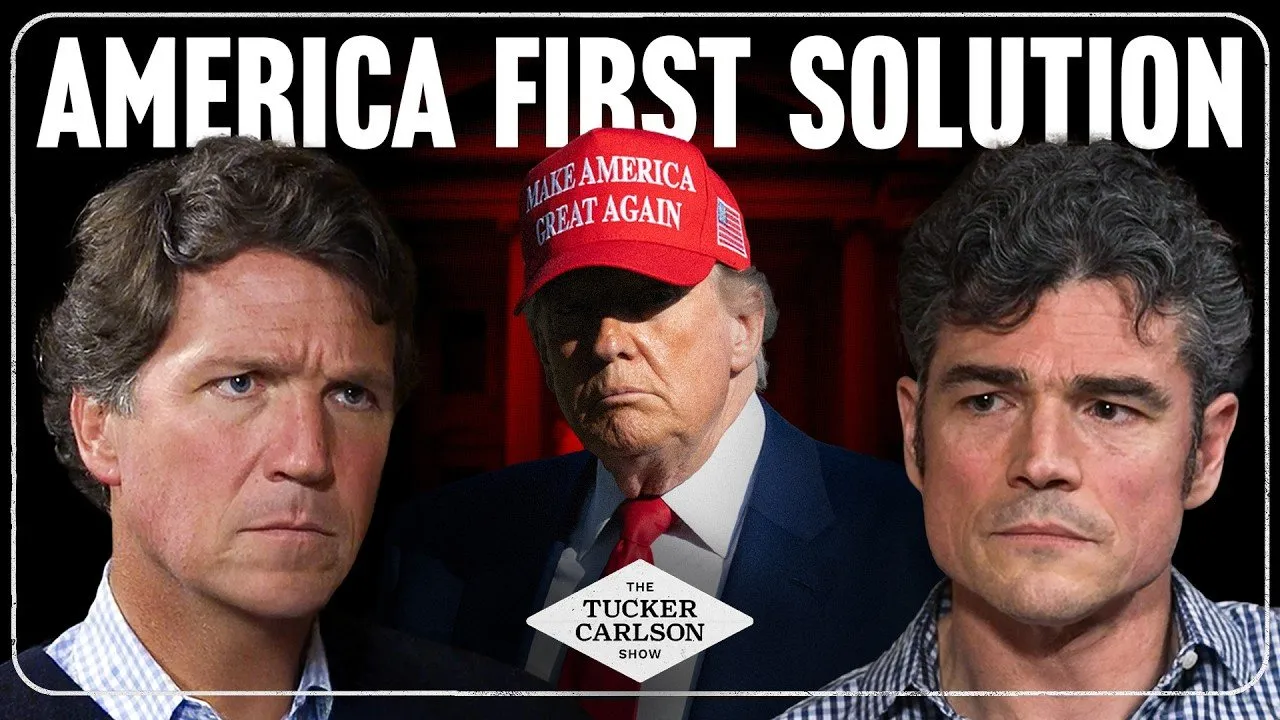
In a candid and revealing interview, Joe Kent, the former director of the National Counterterrorism Center, has broken his silence following his resignation. Kent, a veteran of 11 combat missions and a key figure in recent U.S. intelligence circles, describes a foreign policy apparatus operating in a dangerous echo chamber—one that consistently favors foreign agendas over American interests. His resignation serves as a stark warning about the path toward a wider conflict in the Middle East and the systemic pressure placed on those who attempt to tell the truth.
Key Takeaways
- The Myth of "Imminent Threat": Kent asserts that intelligence did not support the claim that Iran posed an immediate threat or was on the verge of developing a nuclear weapon, challenging the justifications used for current military actions.
- External Influence: According to Kent, policy decisions are being heavily influenced by foreign officials and an ecosystem of lobbyists who bypass traditional, vetted U.S. intelligence channels to shape the president's agenda.
- Lack of Strategic Clarity: A recurring theme is the absence of a clearly defined "end state" for war, with Kent warning that pursuing regime change without a plan leads to permanent instability and entanglement.
- The Cost of Dissent: Kent highlights a troubling pattern where officials who provide dissenting, fact-based intelligence are sidelined or attacked, while those who push for conflict face no accountability for failures.
- The Strategic Priority of China: Kent argues that endless Middle Eastern engagements only serve the interests of China, which benefits as the U.S. depletes its resources and military readiness elsewhere.
The Anatomy of a Foreign Policy Trap
Kent’s analysis of the current conflict is rooted in his extensive experience on the ground, having spent years fighting Iranian proxies in Iraq. He frames the current push for war not as an unavoidable necessity, but as a calculated maneuver by an entrenched "echo chamber." By laundering talking points through influential media figures and direct communication with decision-makers, this group successfully shifts the "red lines" of American policy to suit specific foreign objectives.
Challenging the Intelligence Narrative
Kent addresses the critical discrepancy between what is briefed to the American public and what is actually found in classified intelligence. He notes that whenever a diplomatic opening exists, the "pro-war ecosystem" shifts the goalposts. When one threat is neutralized, they manufacture a new one to prevent negotiation and maintain the momentum toward conflict.
"The Israelis are tactically very proficient. They have a very competent intelligence service. However, whenever we get information from a liaison service, I think it's incredibly important to realize that it could be given to us to influence us as well as to inform us."
The Cost of Truth and the Peril of Silence
A central, sobering point of the interview is the professional—and sometimes personal—risk taken by those who challenge the status quo. Kent draws a parallel to the history of the Iraq war, noting that those who correctly predicted the disastrous outcome were the ones punished, not those who formulated the failed strategy. He describes this as an "iron law of foreign policy" where admitting a mistake is viewed as a threat to the system's own credibility.
The "Lone Actor" Threat
Beyond the geopolitical implications, Kent raises alarm over the potential for "blowback" on American soil. He explains that while the threat of organized sleeper cells is limited, the ongoing conflict provides potent propaganda that radicalizes individuals within the U.S. borders. He argues that this risk is exacerbated by porous borders, yet the focus remains on foreign adventures rather than securing the domestic environment.
Strategic Reorientation and the Path Forward
Despite the gravity of the situation, Kent offers a pathway for de-escalation that relies on the "America First" principles that brought Donald Trump to power. He argues that the president has the unique political capital and strength to force a change in course. This involves a fundamental reset of the U.S.-Israel relationship, moving away from being a vehicle for foreign regime change and back to a policy of restraint and diplomatic leverage.
"What President Trump needs—and that is the path we're on—is that he has to address the main issue. The main issue is what the Israelis are doing. And he needs to very forcefully... say, 'You're done. We will defend you... However, you are done going on the offense.'"
Leveraging Economic Realities
Kent suggests that the United States must engage in pragmatic diplomacy, including the use of economic tools. By negotiating from a position of strength—and perhaps adjusting sanctions as part of a grand bargain—the U.S. could secure the global energy supply and force a return to stability in the Persian Gulf. He emphasizes that the goal is not to abandon allies, but to stop acting against America’s own interests by allowing foreign nations to dictate the terms of U.S. military engagement.
Conclusion
Joe Kent’s message is one of urgent, necessary transparency. He contends that the current trajectory of American foreign policy is unsustainable and ultimately dangerous for the nation's long-term security. By calling for a return to clear-eyed analysis and the rejection of misinformation, he posits that the only path to saving the country from a "certain disaster" is to prioritize the welfare of American citizens above all other international commitments. The integrity of the republic, he concludes, depends on our ability to speak the truth, regardless of the political cost.