Table of Contents
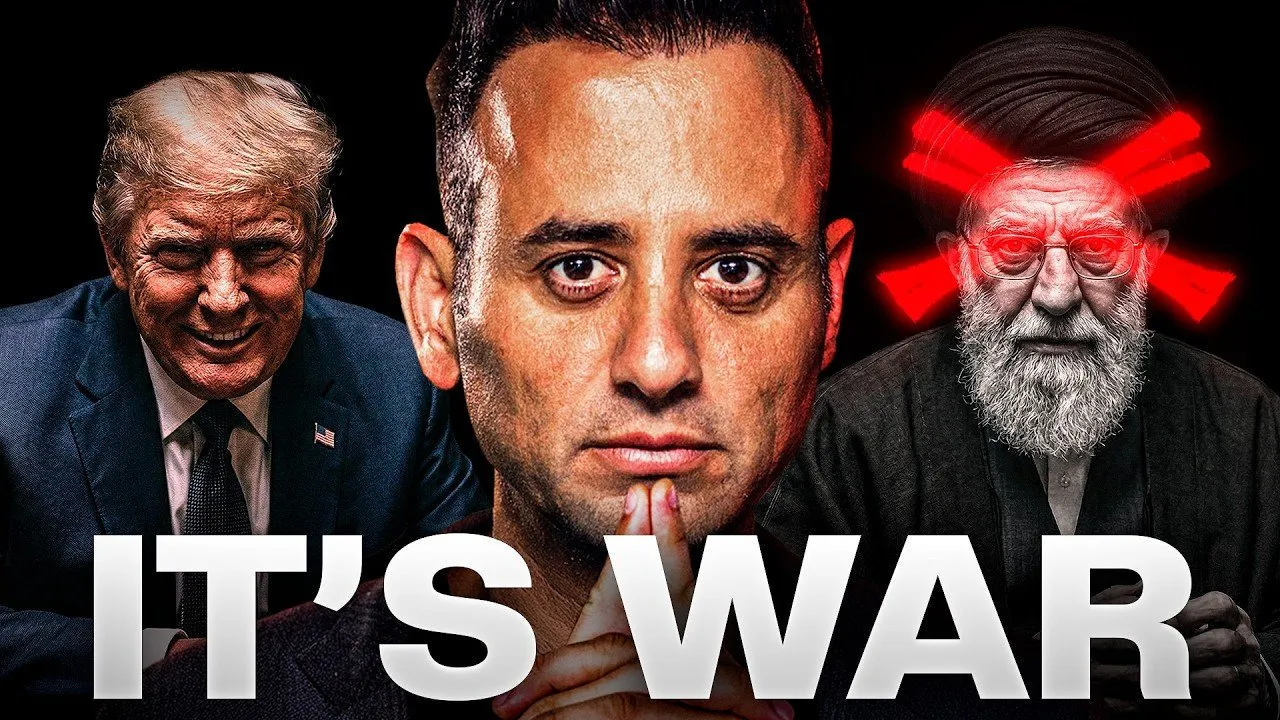
Global markets face a period of heightened volatility as the geopolitical landscape in the Middle East shifts following a large-scale, preemptive aerial operation by Israel against Iran. Executed over the weekend, the strikes targeted key Iranian leadership and strategic infrastructure, sparking immediate responses across oil, gold, and cryptocurrency markets. Investors are now closely monitoring whether the conflict will stabilize quickly or escalate into a sustained regional struggle.
Key Points
- Israel launched a massive, coordinated aerial operation involving over 200 aircraft, successfully targeting key Iranian military command structures.
- Market indicators, specifically oil futures and TLT (long-dated U.S. Treasury bonds), have shown technical breakouts, suggesting that investors are pricing in potential long-term instability.
- Despite the initial geopolitical shock, Bitcoin and broader crypto assets have demonstrated resilience, recovering quickly from momentary dips and signaling potential exhaustion among sellers.
- Regional neighbors, including the United Arab Emirates and Bahrain, have faced collateral security challenges, yet local authorities have moved to maintain stability and protect critical infrastructure.
- Analysts remain divided on whether this event will follow historical patterns of market recovery following initial military conflict or if supply-side risks in the Strait of Hormuz will prolong the economic impact.
Market Sentiment and Technical Indicators
Financial charts are currently providing a conflicting narrative regarding the duration of the conflict. While traditional market participants are seeking safety, technical analysis of specific assets reveals complex sentiment. The oil price has broken through a downtrend that had persisted since May 2022, signaling that energy markets are bracing for potential supply disruptions.
Simultaneously, the surge in TLT—the iShares 20+ Year Treasury Bond ETF—indicates a significant flight to safety as investors move capital into U.S. debt. However, market observers note that these breakouts can sometimes act as "fake outs." The speed with which Bitcoin recovered toward the $68,000 level suggests that risk assets are viewing the conflict as a contained event rather than a catastrophic failure of the financial system.
"The charts tell you the news. If this is going to resolve itself pretty quickly, then that chart has to go back under the trend really, really quickly. If not, this means that maybe there's something that we don't know that is going to prolong the war."
Geopolitical Impact and Regional Response
The conflict has seen an unprecedented shift in regional dynamics. Reports indicate that Iran has targeted areas within the UAE and Saudi Arabia, countries that have historically maintained a degree of regional neutrality. The interception of over 137 ballistic missiles in the UAE alone underscores the intensity of the engagement.
The United States and Israel have characterized the operation as a precise effort to dismantle the Iranian "war machine" and leadership structure. With the systematic elimination of key strategic figures, the Iranian government has faced pressure to return to the negotiating table. The United Arab Emirates, in particular, has earned attention for its rapid crisis management, providing support for thousands of stranded travelers after temporarily grounding flights at major transit hubs.
Future Outlook and Economic Implications
The immediate focus for investors is the ISM Manufacturing PMI, which recently printed at 52.4. An expansionary reading above 50 typically signals economic health, which has historically correlated with strong performance in risk-on assets like Bitcoin. If the conflict remains limited to the initial strikes and does not result in the closure of critical energy shipping lanes like the Strait of Hormuz, the potential for a "relief rally" remains high.
Looking ahead, the market will monitor whether the current price spikes in commodities sustain themselves or revert to previous levels. If the oil price fails to hold above its key breakout level of approximately $71, it would support the base case that the most volatile phase of the conflict has already passed. Traders are currently using decentralized platforms like Hyperliquid to maintain price discovery during the weekend periods when traditional, centralized exchanges remain closed, a trend that highlights the growing importance of 24/7 market access in an era of geopolitical uncertainty.