Table of Contents
Escalating geopolitical tensions between the United States and Iran are fueling significant volatility across global financial markets, forcing investors to navigate a high-stakes environment dictated by rapid shifts in rhetoric and energy supply concerns. Market analysts are closely monitoring the administration’s strategy, which has frequently seen post-market threats followed by pre-market attempts at de-escalation, a pattern that observers suggest mimics previous periods of trade-related instability.
Key Points
- Geopolitical Risk: The conflict in the Middle East has disrupted energy markets, threatening to raise inflation and potentially trigger a global recession if oil supply chains remain constrained.
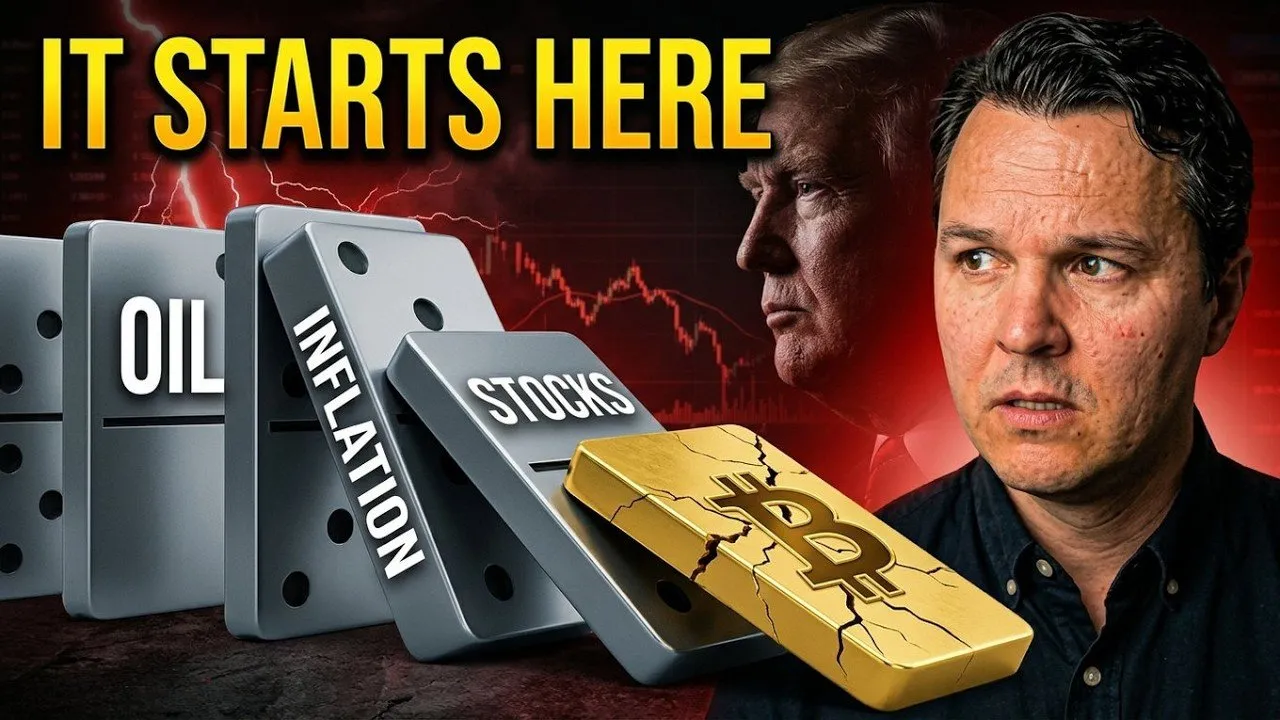
- Market Domino Effect: Rising inflation and geopolitical uncertainty create downward pressure on stocks, Bitcoin, and gold, while driving US Treasury yields higher.
- The Trump Playbook: Markets are currently hypersensitive to administration messaging, with asset prices experiencing sharp, short-term swings based on conflicting reports regarding potential diplomatic talks.
- Economic Necessity: High energy costs and rising debt-servicing requirements provide a strong incentive for the current administration to seek a de-escalation of hostilities to avoid long-term economic damage.
The Mechanics of Market Volatility
The current instability is driven by the potential for a major energy crisis, reminiscent of the oil shocks of the 1970s. As the conflict risks damaging critical infrastructure in the Middle East, the global supply of oil and liquefied natural gas remains precarious. Increased energy costs act as a catalyst for broader inflationary pressure, which complicates the Federal Reserve’s ability to implement interest rate cuts.
When inflation expectations rise, investors frequently divest from US Treasury bonds, forcing yields upward. This creates a challenging environment for the government, which must manage high debt-servicing costs. For investors, this environment is traditionally "risk-off," meaning capital often flows out of volatile assets like equities and cryptocurrencies in favor of liquidity.
The markets are currently factoring in a "very real situation" where energy scarcity could paralyze the supply chain, meaning that investors are prioritizing stability over speculative growth as fuel rationing becomes a concern in various global sectors.
Strategic Motivations and Political Stakes
Analysts suggest that the administration is operating under extreme time pressure, with the upcoming midterms serving as a critical deadline. Should the conflict persist, resulting in sustained high gas prices and a dampened economy, the administration risks a significant loss of political capital and the possibility of a recession that could define the remainder of the presidential term.
This motivation to reach a resolution—referred to by some market observers as the "taco index"—tracks variables including S&P 500 returns, mortgage rates, and consumer confidence. Historically, spikes in this index have preceded policy pivots or conciliatory statements from the White House intended to soothe market nerves. However, the efficacy of this "appeasement playbook" is diminishing as markets grow weary of the discrepancy between executive messaging and the reality on the ground.
Implications for Future Market Cycles
Looking ahead, the market is bracing for two distinct scenarios. In the event of a swift diplomatic resolution, economists anticipate a "risk-on" surge, characterized by a rapid rebound in equities and digital assets as energy prices normalize and inflationary fears subside. Conversely, a prolonged conflict forces the Federal Reserve into a corner, where they may be compelled to introduce aggressive quantitative easing measures only after significant economic damage has occurred.
Investors are advised to remain vigilant regarding weekend developments. Because traditional equity markets are closed during this window, digital asset markets have become the primary gauge for immediate investor sentiment in response to breaking news. As the situation evolves, market participants should expect continued divergence between "official" narrative shifts and the underlying economic reality of fuel costs and inflationary pressures.