Table of Contents
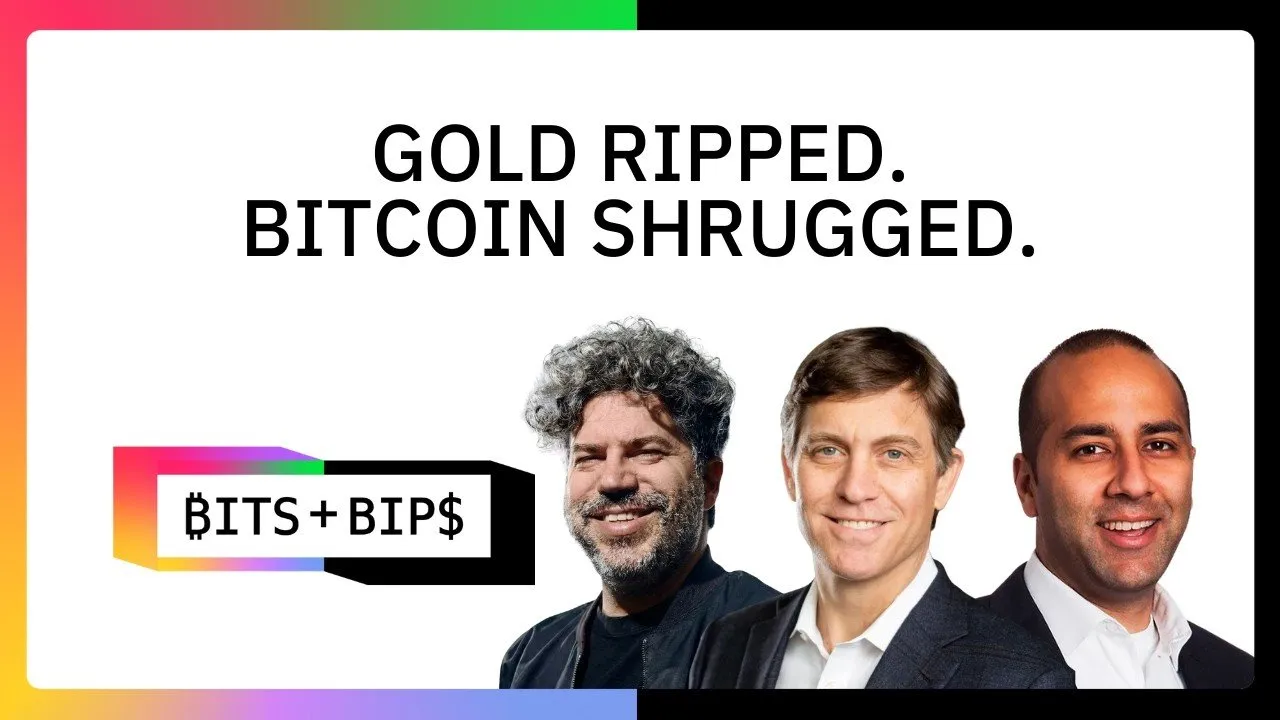
The geopolitical landscape shifted dramatically this past weekend, sending shockwaves through global markets. With major military developments involving the United States and Iran, investors and analysts are closely monitoring the impacts on everything from oil prices and traditional equities to decentralized assets like Bitcoin. As regional tensions escalate, the market’s response is revealing new patterns in how we process global instability in a 24/7 financial environment.
Key Takeaways
- Market Resilience: Despite immediate geopolitical volatility, risk assets including Bitcoin showed surprising strength, indicating a potential market bottom.
- Geopolitical Realignment: The conflict highlights a shift in regional power dynamics, with the U.S. moving to secure key energy nerve centers like the Strait of Hormuz.
- The 24/7 Financial Shift: Platforms like Hyper-liquid have emerged as critical venues for real-time price discovery, often providing more clarity than traditional markets during weekend events.
- Efficiency Through AI: Beyond the macro headlines, companies are increasingly utilizing AI to optimize operations and reduce headcount, potentially acting as a deflationary force in the economy.
The Market Response to Kinetic Conflict
When news of "Epic Fury"—the coordinated U.S. and Israeli military operation against Iran—broke over the weekend, the initial reaction across global markets was swift. While energy sectors saw immediate gains due to the obvious risks to Middle Eastern supply chains, broader risk assets reacted with a resilience that caught many off guard. Bitcoin, for instance, reclaimed the $70,000 level shortly after initial volatility.
"The VIX index was in the low 20s for most of the last week, and is there now. I find it remarkable that essentially, markets are flat and the volatility index is actually up. That's actually bullish." — Ram Ahluwalia
Observers noted that the situation had been "telegraphed" for years, allowing traders to price in certain risks ahead of time. This preparedness, combined with clear, confident guidance from administration-aligned voices, helped prevent panic, with the market focusing on the potential for a swift resolution rather than a prolonged, bloody conflict.
Geopolitics and Energy Strategy
The strategic importance of this conflict extends far beyond regional borders. By controlling the Strait of Hormuz, which facilitates 20% of the world's oil supply, the United States is effectively positioning itself to check China’s energy dependency. This move represents a pivot toward realpolitik, where the priority is regional stability and securing critical infrastructure over forcing specific democratic ideals.
The End of the Monolith
A key mistake often made by outside observers is viewing the region as a monolithic bloc. In reality, recent Iranian actions—targeting neighboring Arab nations—have served to alienate potential regional allies. This suggests that the resolution of this conflict may not be a simple binary outcome, but rather a profound re-shaping of regional allegiances and a possible re-emergence of historical identities, such as a focus on Persia’s long-standing intellectual and economic contributions.
Crypto as a 24/7 Information Barometer
Perhaps the most significant takeaway for the crypto industry is the role of 24/7 markets in price discovery. During this weekend's events, platforms like Hyper-liquid acted as a proxy for the entire global commodities market. Traditional markets were closed, but decentralized platforms provided a continuous stream of information that helped set boundaries for opening prices when the legacy systems eventually resumed trading.
"It gives us sort of a boundary on what the open is going to be." — Austin Campbell
This 24/7 nature, once criticized for potentially increasing risk, is now being recognized for its ability to reduce "jump risk"—the danger of massive price gaps during weekend news cycles. By collateralizing in real time, these markets lower the need to hold unnecessary capital, ultimately fostering greater liquidity across the system.
Prediction Markets and the Future of Arbitration
Prediction markets also saw record engagement, with over $529 million at risk regarding U.S.-Iran outcomes. However, the experience highlighted a critical need for standardization. Similar to the history of insurance and reinsurance, the biggest hurdles for these platforms involve the precise wording of terms and conditions.
- The importance of neutral arbitration cannot be overstated.
- Market participants must pay close attention to how specific events are defined.
- Standardization is necessary for long-term institutional adoption.
AI, Deflation, and Operational Efficiency
While the world watches the Middle East, a quieter, long-term shift is occurring in corporate boardrooms: the aggressive integration of AI to optimize headcounts. Companies are cutting costs by leveraging automation, a move that is likely to be fundamentally deflationary. Critics argue that these moves are often just "window dressing" for upcoming IPOs, yet the trend remains a dominant narrative for Silicon Valley.
"Startups go through these cycles where they have the foosball table and the free everything and the retreat and they're in kind of peak mode of this kind of lavishness and they're in a bubble." — Chris Perkins
Ultimately, the collision of geopolitical instability and rapid technological advancement is forcing a "realignment" of expectations. As the world navigates the impacts of kinetic war, the underlying economic trends—driven by 24/7 digital finance and AI-led operational efficiency—continue to evolve, potentially ushering in a new era for global investment.
Conclusion
The events in Iran have certainly shuffled the deck, but the market response underscores a newfound robustness in decentralized finance and a cold, strategic approach to global energy security. While the path to peace and stability remains complex, the agility provided by modern financial tools is proving to be a net positive for information discovery. Looking ahead, the focus will remain on how these regional shifts impact the global transition toward technology-led investment and the long-term deflationary trends of the AI era.