Table of Contents
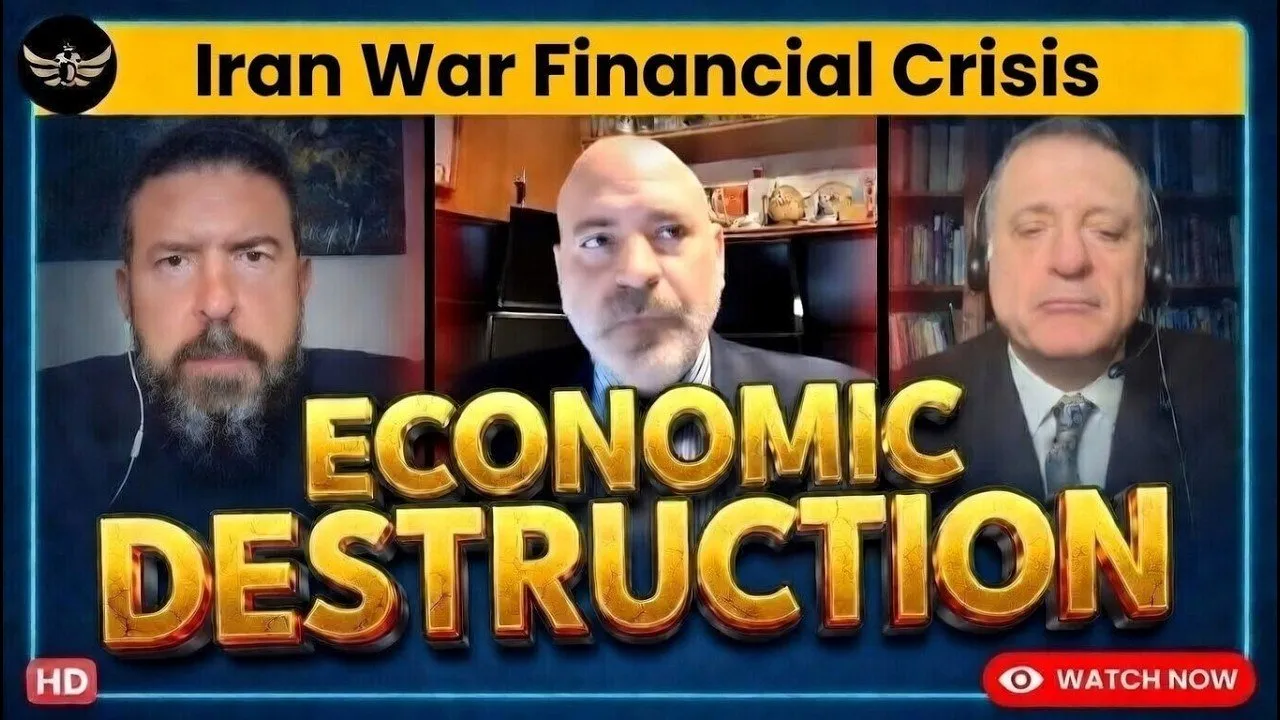
The global economy is currently facing a paradigm shift that extends far beyond simple market fluctuations. As geopolitical tensions in the Middle East escalate, the resulting energy supply constraints are evolving from mere market disruptions into a broader, systemic destruction event. Market analyst Ray Zukaro argues that we are witnessing the early stages of a fundamental transformation in how energy flows, industrial supply chains, and global currencies interact, potentially signaling a historical turning point comparable to the 1973 energy crisis or the collapse of Bretton Woods.
Key Takeaways
- Systemic Destruction: Current energy market disruptions, particularly concerning LNG and petroleum, are causing permanent or long-term damage to production capacity rather than temporary supply delays.
- Regional Vulnerability: While Asia faces immediate impacts due to "just-in-time" supply chain models, Europe remains critically exposed due to low natural gas reserves and a lack of domestic energy autonomy.
- Industrial Ripple Effects: Beyond fuel at the pump, disruptions to fertilizer, helium, and aluminum production are creating second-order threats to global food security and the high-tech chip manufacturing sector.
- Long-term Economic Realignment: The current crisis is accelerating the de-dollarization of trade, particularly between China and energy-exporting nations, fundamentally altering the future demand for the U.S. dollar.
The Shift from Disruption to Destruction
While many mainstream headlines frame current events as a passing geopolitical squall, market evidence suggests a deeper structural collapse. Zukaro highlights that while past conflicts like the Russia-Ukraine war involved roughly one million barrels of daily disruption, we are currently tracking toward nearly 20 million barrels of lost capacity. This is not a temporary dip; it is an active removal of energy inputs from the global marketplace.
The Fertilizer and Tech Connection
The implications for the global economy are not limited to electricity bills. Because energy inputs serve as the foundation for the chemical industry, the current crisis is already filtering into fertilizer production. This creates a predictable lag effect: reduced fertilizer output today almost guarantees lower crop yields six to twelve months from now, creating a looming threat of global famine. Similarly, the disruption of gas fields has impacted the supply of helium—a critical input for high-tech chip manufacturing and MRI technology—placing the global AI and tech boom on precarious ground.
This is not a disruption event but a destruction event after what happened with Qatar LNG fields.
The Uneven Burden: Asia vs. Europe
The impact of this energy shock is felt unevenly across the globe. Asia, which operates on a "just-in-time" logistics mentality, felt the pain first. Countries like the Philippines and Pakistan have already resorted to emergency measures such as four-day work weeks and shifting university education online to mitigate power consumption.
Europe’s Energy Wall
Europe sits in a particularly vulnerable position. Having moved away from Russian energy supplies, the continent relied on Middle Eastern imports to bridge the gap. With those supplies now constricted, European industrial sectors face a severe energy wall. According to Zukaro, the Eurozone has approximately one month of cushion before the lack of aviation fuel and industrial gas leads to significant economic contraction. Unlike the United States, which possesses larger domestic reserves and production basins, Europe lacks the natural resources to weather a prolonged isolation from these critical flows.
Geopolitics and the Future of the Dollar
For decades, the "petrodollar" system has acted as a primary lubricant for the global financial machine. Energy producers sold oil in dollars and reinvested those proceeds into Western assets, such as U.S. Treasuries and real estate. Zukaro notes that as this energy war forces countries to seek new alliances, the incentive to maintain this dollar-centric model is rapidly evaporating.
China’s Strategic Pivot
Critics of China often point to its energy imports as a fatal weakness. However, Beijing has spent years diversifying its energy sources and building deep strategic reserves. By accelerating projects like the Power of Siberia 2 pipeline and rapidly expanding its nuclear power capacity, China is signaling a move toward greater autarky. If major energy producers begin prioritizing non-dollar trade to facilitate business with China, the long-term demand for the U.S. dollar will face unprecedented pressure.
I think this will have long-term repercussions and obviously Chinese-Russian trade is not going to take place in dollars.
Predicting the Economic Horizon
In the short term, the economic environment is inherently inflationary. Treasury yields are rising, and the costs of funding conflicts are adding massive pressure to government budgets. Historically, investors might seek refuge in Treasuries during a crisis; however, we are seeing a decoupling where investors are wary of the underlying fiscal health of the Western system.
The Recessionary Outlook
Looking twelve to eighteen months ahead, the combination of high input costs and energy scarcity points toward a profound industrial recession. Even if the current conflicts were to resolve immediately, the damage to infrastructure and the depletion of global inventories would take years to remediate. Global central banks, currently struggling with inflation and high debt-to-GDP ratios, may find themselves with limited room to maneuver.
I don't see how this will not be one of those Bretton Woods global events that really changes the economy.
Ultimately, we must move past the idea that the current crisis is a localized event. It is a fundamental shift in the availability of the energy and material inputs that power modern civilization. Whether through the lens of agriculture, chip production, or global currency hegemony, the events unfolding today are setting the stage for a new, more volatile era in the global economy. As supplies tighten and supply chains fracture, the nations best positioned will be those that have prioritized energy independence and long-term industrial resilience over short-term market optics.