Table of Contents
The geopolitical landscape surrounding the United States and Iran has reached a critical juncture, characterized by a complex tug-of-war between military posturing and diplomatic necessity. President Trump currently finds himself navigating a precarious path, facing intense pressure from hardline advisors and donors to pursue regime change, while simultaneously receiving sobering briefings from his top military and intelligence officials. As reports surface regarding the feasibility of various military strikes, the administration is confronting the reality that there are no "easy" options on the table, and the risk of a protracted attrition war looms larger than ever.
Key Takeaways
- Military Limitations: Top officials, including General Kaine and CIA Director John Radcliffe, have reportedly warned that U.S. arsenals are significantly depleted, complicating any long-term military engagement.
- The Regime Change Paradox: While the administration desires a swift "decapitation strike" to trigger regime change, experts suggest such an outcome is unlikely and could lead to regional chaos.
- Diplomatic Dilemma: A return to a framework similar to the JCPOA is viewed by many as the most rational path forward, yet it poses a massive political risk for Trump among his core donors and hardline supporters.
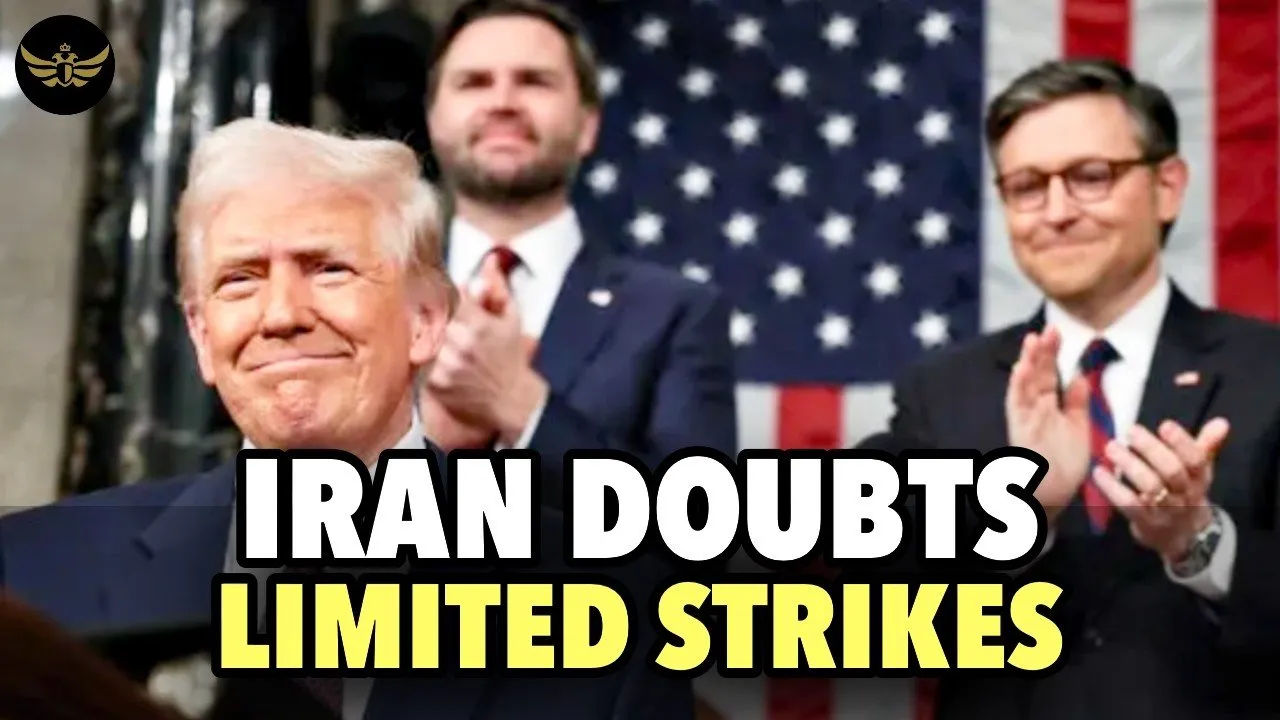
- Escalation Risks: Iran has signaled that it will no longer accept "limited strikes" without a full-scale response, potentially targeting U.S. assets throughout the Middle East.
The Military Reality Check: Depleted Arsenals and Limited Windows
Despite the public-facing confidence often displayed by the administration, the internal briefings tell a more cautious story. General Kaine, Chairman of the Joint Chiefs of Staff, and CIA Director John Radcliffe have reportedly presented President Trump with a stark assessment of American military readiness. A primary concern is the state of U.S. munitions; years of steady hardware transfers to other conflicts have left stockpiles of air defense missiles and interceptors notably low. This depletion directly impacts the U.S. ability to sustain a high-intensity conflict while simultaneously defending its own bases from Iranian retaliation.
The "Five-Day" Constraint
Intelligence assessments, including reports from Israeli sources, suggest that an intense missile and bombing campaign against Iran might only be sustainable for five to seven days. Critics argue that this window is insufficient to achieve the fundamental goal of regime change. If the Iranian government survives the initial onslaught and retains its ballistic missile capabilities, the United States could find itself locked in a grueling war of attrition—a scenario the administration is reportedly desperate to avoid.
"The United States could find itself in a long attrition war with Iran, which is of course what the Iranians are threatening."
The Fantasy of the "Quick Decapitation"
Analysts suggest that the administration's preferred outcome is a "Venezuela-style" collapse or a surgical strike that removes the top leadership without requiring boots on the ground. This desire for a clean, low-casualty victory is driven by the political need to avoid "body bags" returning home, which would be a significant blow to the President's domestic standing. However, the gap between this strategic desire and the operational reality is wide.
Failure of Indirect Pressures
Previous attempts to instigate regime change through economic means—such as crashing the Iranian currency or providing Starlink terminals to protestors—have thus far failed to topple the government in Tehran. This failure has emboldened hardliners in Washington and Israel to push for direct military action, despite the lack of a clear plan for what follows a potential collapse of the Iranian state.
The Diplomatic Off-Ramp: High Rewards, High Stakes
While military options appear fraught with risk, diplomacy remains a viable, albeit politically toxic, alternative. Negotiations mediated by Oman in Geneva suggest that both sides are looking for an "off-ramp." Potential solutions include a consortium-based enrichment program or a temporary suspension of enrichment activities. These options represent a rational approach to de-escalation, yet they require Trump to move toward a framework that closely resembles the JCPOA—a deal he famously criticized and exited.
The Donor and Advisor Pressure
The President's primary obstacle to diplomacy may not be Tehran, but his own political circle. Figures such as Lindsey Graham, Mike Waltz, and Benjamin Netanyahu have long advocated for a maximum-pressure campaign aimed at total capitulation. For Trump, returning to a diplomatic agreement could be framed as a betrayal by his most influential donors. Notably, some advisors like J.D. Vance and Tucker Carlson are reportedly attempting to steer the President away from escalation, though the influence of the "interventionist wing" remains formidable.
"The right thing to do is to negotiate and to come to a deal... but he will lose the support of the donors."
Accountability and the "Swamp" of Interventionism
The current crisis highlights a recurring theme in American foreign policy: the lack of accountability for those who advocate for military intervention. Hardline voices in Congress and prominent think tanks often push for confrontation without providing a clear roadmap for the eventual outcome. When these policies result in protracted conflicts or failed states, the proponents rarely face political or reputational consequences. Instead, they often transition to the next conflict, maintaining their status as "experts" within the Washington establishment.
A Shift in Responsibility
In a move that some describe as an abdication of responsibility, reports suggest the President may be looking to shift the burden of decision-making onto his advisors. By placing the weight of the "strike or no strike" decision on his team, he creates a buffer against the inevitable backlash should the operation fail. This internal maneuvering suggests a leader who is increasingly wary of the trap he has built for himself.
Conclusion: The Search for a Middle Path
President Trump finds himself in a classic geopolitical bind. The "limited strike" option, which he currently seems to favor, is perhaps the most dangerous path of all. It lacks the force to ensure regime change but provides enough provocation to trigger a regional conflagration. Iran has made it clear that the era of "measured responses" is over; any attack on their soil will likely result in an all-out assault on U.S. facilities across the Middle East.
Ultimately, the most successful outcome for the administration would be to pivot toward a diplomatic victory that can be "spun" as a superior deal to those of his predecessors. While this would infuriate the interventionist wing of his party, it would fulfill his promise to avoid "endless wars" and keep the United States out of another costly Middle Eastern quagmire. Whether the President has the political courage to defy his donors and choose the diplomatic path remains the defining question of his current term.