Table of Contents
Technology stocks retreated sharply on Tuesday as escalating conflict in the Middle East rattled global markets, triggering a broad "risk-off" sentiment among investors. The Nasdaq and S&P 500 both fell nearly 2% as concerns over potential energy supply disruptions and persistent inflationary pressure clouded the outlook for Federal Reserve interest rate policy.
Key Points
- Energy Surge: Oil prices marked their most significant volatility since 2022, with Brent crude climbing above $85 per barrel amid threats to shipping in the Strait of Hormuz.
- Market Fallout: The Nasdaq and S&P 500 both shed approximately 2%, while Bitcoin retreated by 7.7% as investors fled speculative assets.
- Defense Sector Dynamics: Despite the geopolitical climate favoring defense-related tech, shares in the sector faced downward pressure, reflecting broader market panic.
- Inflation Fears: Analysts warn that rising energy costs could force the Federal Reserve to maintain higher interest rates, tempering hopes for near-term rate cuts.
Geopolitical Risk and Economic Instability
The sudden intensification of the conflict has refocused market attention on the Strait of Hormuz, a critical chokepoint through which approximately one-fifth of the world’s oil supply passes. The threat of targeted drone and missile activity has already disrupted logistics for energy producers, including Iraq, placing significant strain on global supply chains. According to market analysts, the fear is that this is no longer a limited engagement but a protracted conflict, which could force energy prices higher and complicate the Federal Reserve's efforts to cool inflation.
Federal Reserve officials have expressed concern that these global shocks could undermine previous progress in stabilizing prices. "Now we need to see what this new shock, potentially, hitting this global economy," said Neel Kashkari, noting that policymakers previously had the luxury of a gradual glide path toward neutral interest rates, a strategy that is now under threat.
Technology and Defense Under Pressure
The selloff has not spared the technology sector, which was already facing scrutiny regarding the return on investment for Artificial Intelligence initiatives. Companies like MongoDB saw shares tumble following earnings reports that failed to impress investors, further fueling the "risk-off" mentality. In the defense space, while the long-term outlook for firms like RTX, Lockheed Martin, and Northrop Grumman remains tied to the need for munition replenishment, current market volatility has stifled short-term gains.
"When you look at what the United States is bringing to bear in the Middle East right now, F-15s, F-22s, some of these systems are sustainment challenges. There is a production need in the United States and availability parts and legacy systems that is equally important," said Tara, CEO of a software provider for defense supply chains.
The situation has also created friction at OpenAI, where CEO Sam Altman admitted that the rollout of a new Pentagon contract was "rushed" and "sloppy," highlighting the sensitivity surrounding tech companies' involvement in military operations during a heightened threat environment.
Future Outlook and Strategic Responses
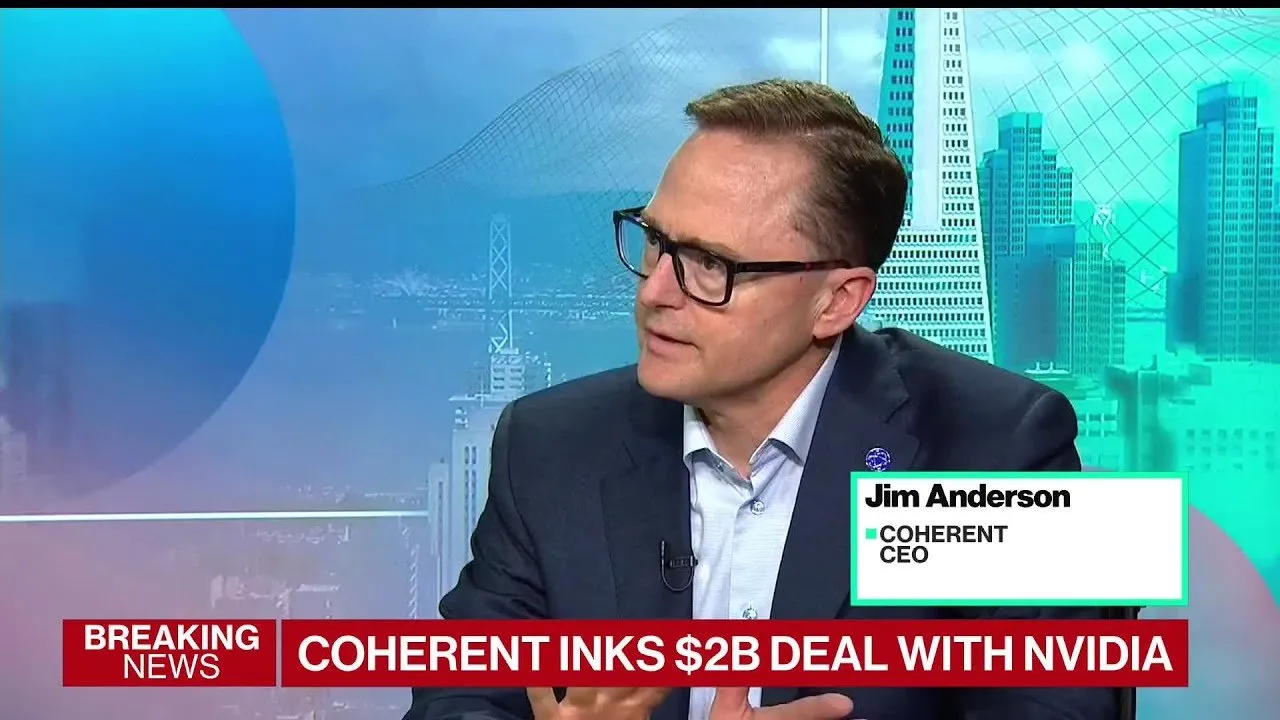
Despite the current turbulence, some industry leaders remain focused on long-term technological integration. Coherent, a leader in photonics, recently secured a $4 billion investment from NVIDIA to advance data center infrastructure. The company’s CEO, Jim, emphasized that as data centers shift from electrical to optical signaling to improve efficiency, the demand for their hardware remains robust.
Moving forward, the market is awaiting further earnings reports and clarity on government policy regarding trade and defense. While investors are currently prioritizing liquidity and stability, experts suggest that organizations utilizing AI to map complex, sub-tier supply chain bottlenecks will be better positioned to navigate the potential for prolonged geopolitical instability.