Table of Contents
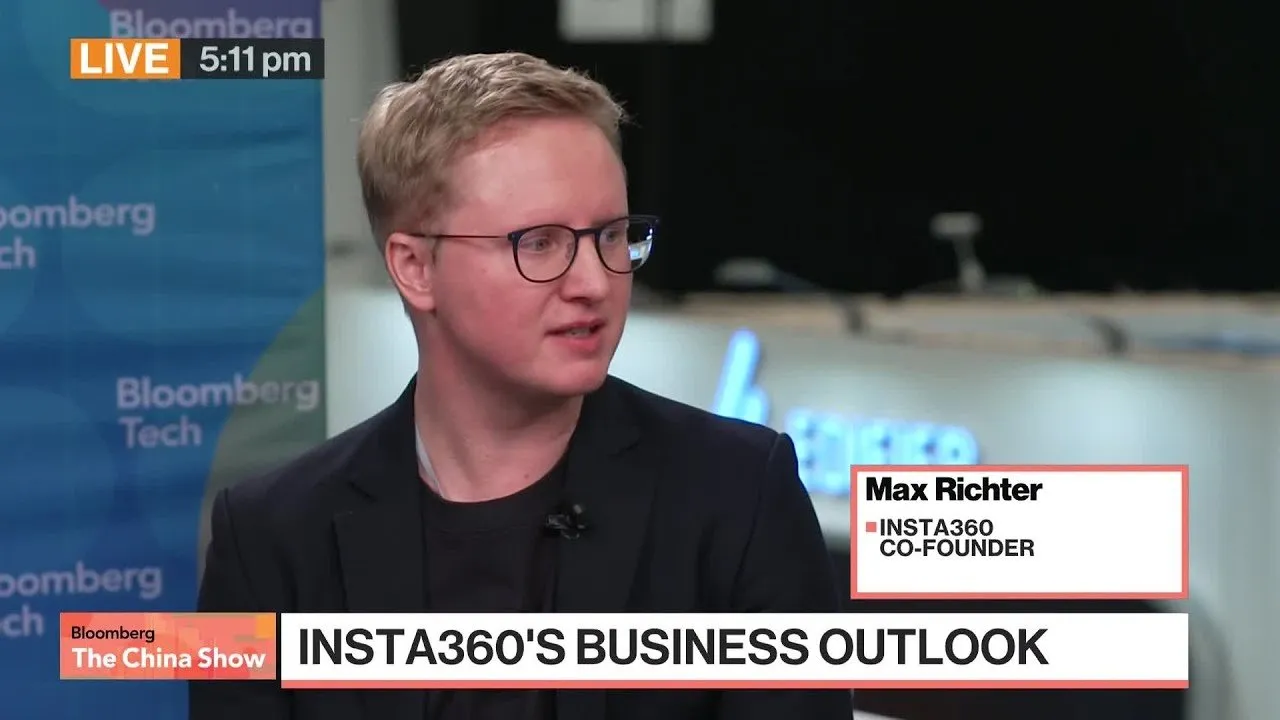
Fresh off its public listing on the Star Market, camera technology firm Insta360 unveiled an aggressive global expansion strategy at CES, announcing plans to open flagship retail locations in major Western markets by 2026. Amidst growing competition in the hardware sector, the company is pivoting toward a software-centric business model, leveraging AI integration to differentiate its expanding product lineup while projecting a workforce increase of nearly 25% by year-end.
Key Points
- Retail Expansion: Insta360 plans to open company-owned flagship stores in Los Angeles, New York, Munich, and Tokyo in 2026.
- Workforce Growth: The company aims to add approximately 1,000 employees to its current headcount of 4,000, focusing heavily on R&D.
- New Hardware: The launch lineup includes the flagship Insta360 X5, the AI-powered Link 2 Pro webcam, and the GO Ultra Wide wearable.
- Strategic Pivot: 60% of R&D resources are now dedicated to software engineering to counter hardware commoditization.
Global Retail and Operational Expansion
Following a successful IPO approximately eight months ago, Insta360 is deploying capital raised from the public markets to transition from a distributor-reliant model to a direct-to-consumer retail strategy. The company confirmed that 2026 will mark the beginning of a massive ramp-up in its physical footprint, with dedicated flagship stores planned for key metropolitan hubs in the United States, Germany, and Japan.
This physical expansion is supported by a significant investment in human capital. Currently employing 4,000 staff worldwide, the company expects to increase its headcount to approximately 5,000 by the end of the year. While the company maintains its "China plus rest of world" operational philosophy, new hires are increasingly targeted for local offices in Los Angeles, Munich, and Tokyo to bridge the gap between R&D and consumer needs.
"2026 will be the year where we will massively ramp up our retail footprint. And specifically doing this with a dedicated flagship store set up, owned and operated by ourselves."
Product diversification and AI Integration
At the center of Insta360's CES showcase were three distinct products signaling a shift away from being viewed solely as an action camera manufacturer. The new Insta360 X5 serves as the company's flagship 360-degree camera, featuring dual lenses and the signature "invisible selfie stick" technology that allows for third-person perspectives.
However, the introduction of the Insta360 Link 2 Pro indicates a broader strategy to capture the remote work and content creation markets. This AI-powered webcam utilizes a built-in gimbal for subject tracking, applying technology originally developed for handheld action cameras to a desktop form factor.
To manage market saturation and pricing pressure, the company outlined a tiered pricing structure. While new flagships like the X5 command premium pricing, older models such as the X4 and X3 remain on the market to serve entry-level consumers, supported by continued firmware updates.
Software as a Competitive Moat
Facing rising competition from emerging entities like Elite Tech and aggressive pricing in the lower-tier sectors, Insta360 is banking on software architecture rather than hardware specifications to maintain its market lead. Company leadership emphasized that while hardware form factors are easily imitated, the user experience driven by software is difficult to replicate.
This focus is reflected in the company's internal structure, where software engineers now comprise 60% of the research and development department. The strategy focuses on merging IoT capabilities with generative AI to enhance image quality and simplify the post-production process for users.
"It's happening on a software site. Like the hardware, it's very easy to imitate. But what you can't imitate so far is the software, and that's where we build our expertise."
Looking ahead, Insta360 intends to continue utilizing its Shenzhen headquarters for primary product development while relying on its expanding international teams to tailor software experiences and retail operations for local markets.