Table of Contents
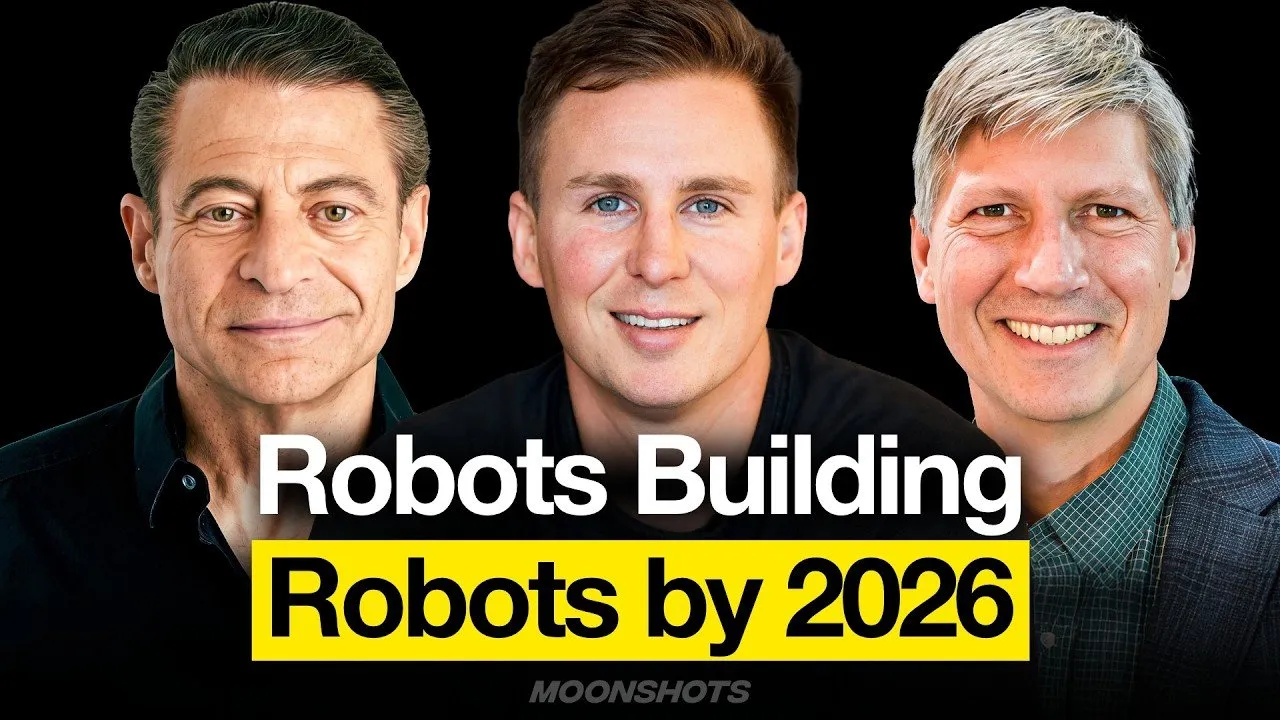
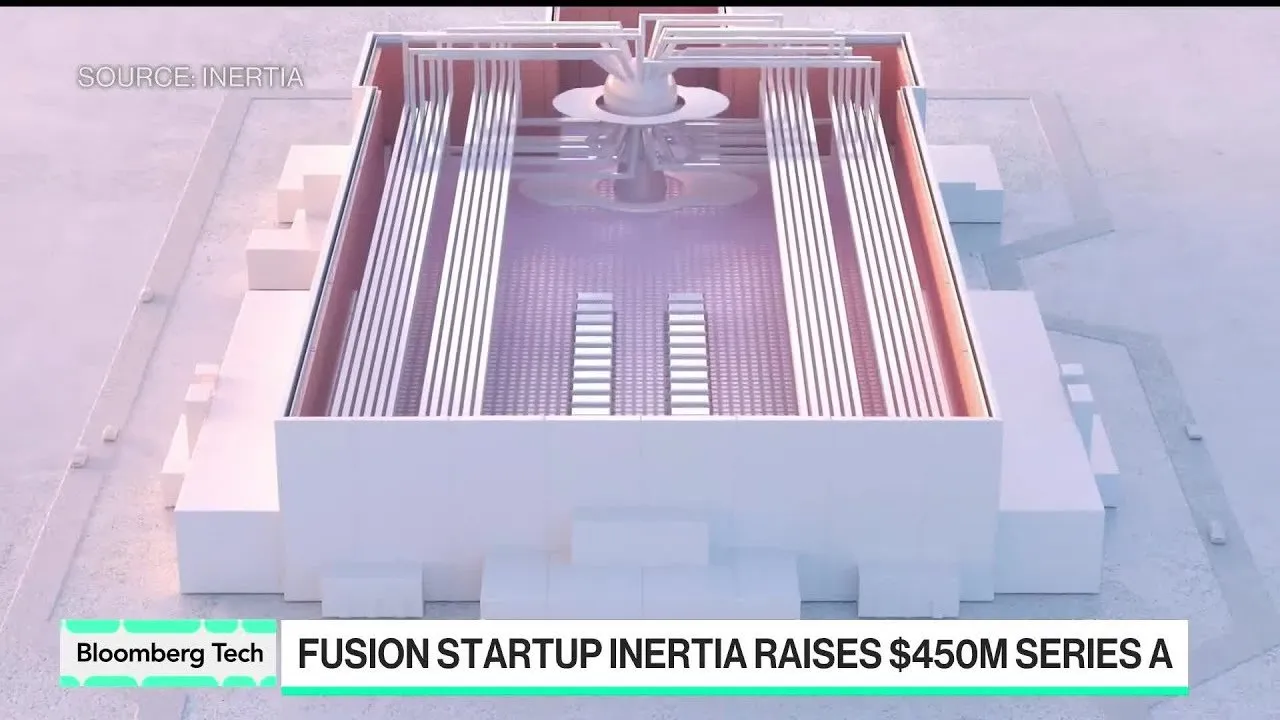
Inertia, a nuclear fusion startup led by former Twilio CEO Jeff Lawson, has secured $450 million in Series A funding to commercialize laser-based fusion energy technology. Leveraging scientific breakthroughs from the Lawrence Livermore National Laboratory, the company aims to construct a 1.5-gigawatt pilot power plant capable of powering a medium-sized city by the early 2030s.
Key Takeaways
- Major Funding: Inertia raised $450 million in Series A capital to transition fusion from scientific theory to engineering reality.
- Proven Technology: The approach builds on the 2022 net energy gain breakthrough achieved at Lawrence Livermore National Laboratory.
- Infrastructure Goals: Plans include building the world's most powerful laser and a dedicated fusion fuel manufacturing facility.
- Timeline: The company targets the 2030s for bringing a commercial-grade, grid-scale pilot plant online.
Commercializing Proven Science
Unlike many fusion competitors relying on magnetic confinement, Inertia is betting on laser-based inertial confinement fusion. This specific method has already achieved "ignition"—the point where the reaction produces more energy than it consumes—during experiments conducted at the Lawrence Livermore National Laboratory (LLNL) in December 2022.
According to Lawson, the company’s strategy is not to reinvent the physics, but to scale the engineering. Inertia’s leadership team includes co-founders intimately involved with the original experiments: Annie, the lead designer of the LLNL experiment, and Mike Dunn, who managed the power plant design program based on those findings.
The company’s roadmap involves three distinct infrastructure projects. First, Inertia plans to construct a laser system that is significantly more advanced than current government capabilities. Lawson stated the new laser will be 20 times more efficient, one-tenth the size, and one million times more powerful than the facility used at Lawrence Livermore.
Second, the company will build a manufacturing plant for fusion fuel targets. Finally, these components will be integrated into a 1.5-gigawatt power plant designed to deliver consistent, carbon-free energy to the electrical grid.
"This is not about basic science. The thing that introduces a lot of uncertainty into these types of innovations is basic science... But when you're talking about engineering, bringing a product to market, doing an industrial scale up to go build bigger lasers, more targets, those are the kinds of things that are predictable."
Meeting the AI Energy Crunch
The funding round arrives as the United States faces increasing pressure to expand its energy capacity. With the rapid expansion of artificial intelligence data centers and ongoing geopolitical competition, federal officials have emphasized the need for "energy addition" rather than solely replacing existing fossil fuel baseloads.
Lawson positioned Inertia as a long-term solution to this demand, noting that while the development cycle is lengthy, the output is a scalable solution for the grid.
"Our solution is a grid-scale answer to our energy problems, which can provide enough power to power a million homes or a medium to large-sized city, at any one point in time. And that's just the first plant. After that, we'll move on to building the second, the third, the fourth, and keep stamping these things out."
Market Implications: The Shift from SaaS to Deep Tech
Lawson’s transition from leading Twilio, a cloud communications giant, to a nuclear fusion startup reflects a broader shift in the technology sector. During the interview, Lawson addressed the current volatility in the software market, suggesting that the traditional Software as a Service (SaaS) model is facing disruption from generative AI.
He argued that companies relying on "per-seat" pricing models are vulnerable as AI agents replace human workflows. Conversely, infrastructure and API-first companies—like Twilio—are better positioned to survive because they provide the backend services that AI agents require.
Currently, Inertia is entering a 12 to 24-month design validation phase to prove the viability of its manufacturing processes. Following this period, the company will move into a multi-year prototyping stage for its laser units before breaking ground on its first commercial facility.