Table of Contents
The iKKO Mind One Pro, a niche smartphone from audio-focused manufacturer iKKO, has officially reached Kickstarter backers, positioning itself as a minimalist, pocket-sized companion device. While the hardware offers a striking aesthetic and a unique rotating camera module, the device is currently hampered by significant software instability, poor audio performance, and an undercooked artificial intelligence interface.
Key Points
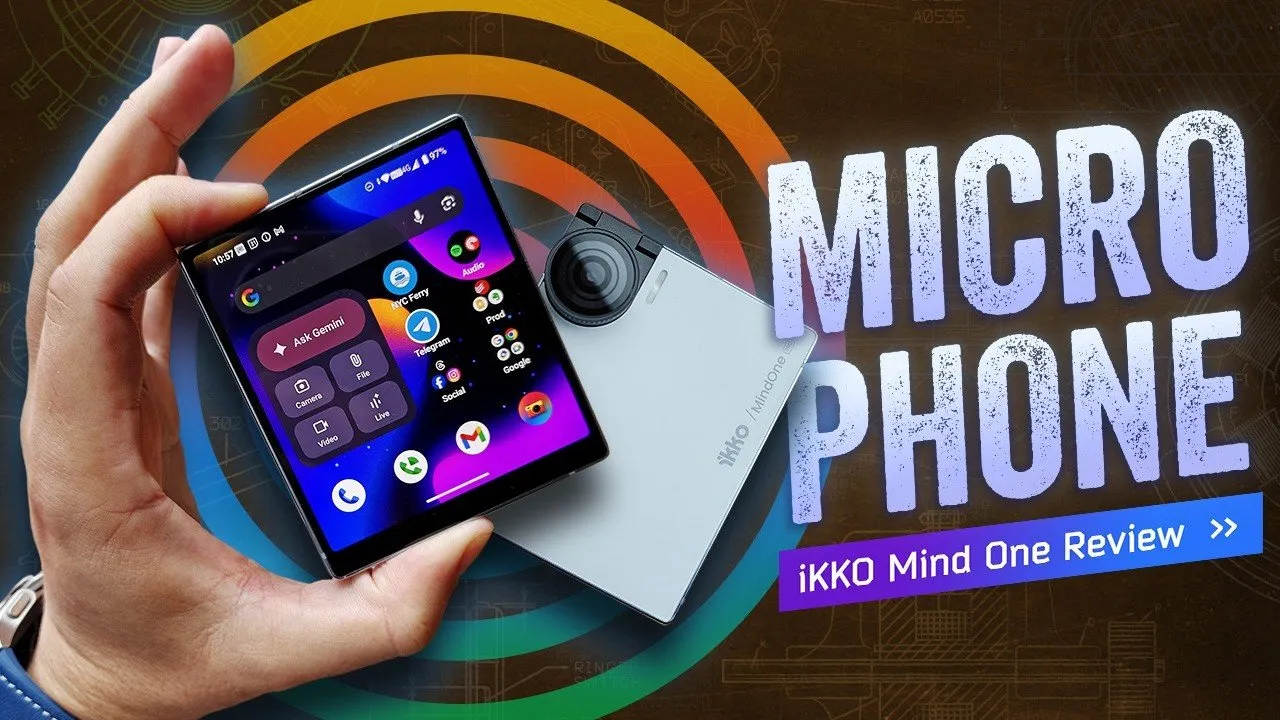
- Compact Hardware Design: The Mind One Pro features a premium aluminum and sapphire glass build with a distinct 4-inch display, reminiscent of a specialized media player rather than a traditional smartphone.
- Software and Connectivity Hurdles: The device is restricted to 4G connectivity and suffers from persistent bugs, including faulty NFC payments, inconsistent fingerprint sensor sensitivity, and erratic system stability.
- Questionable AI Integration: The device features a dedicated "AIOS" mode, which appears to be a lightweight launcher for basic AI tools that fail to differentiate themselves from standard, widely available alternatives.
- Hardware Potential vs. Reality: Despite clever hardware features like the rotating 50-megapixel camera, the device struggles with basic quality-of-life metrics, such as abysmal speakerphone quality and lackluster battery life.
Hardware and Design Ambition
The iKKO Mind One Pro is undeniably distinct in a market dominated by monolithic glass slabs. Its diminutive frame, which draws design cues from the long-discontinued LG Wing, utilizes a high-quality display that is bright and color-accurate. The combination of a button-studded satin finish and a frosted back panel gives the device an almost artisanal feel, successfully marketing itself to users who crave a "side phone" or a secondary device to facilitate digital detoxing.
One of the more ambitious hardware choices is the rotating camera module. By utilizing a 50-megapixel sensor that physically swivels, iKKO avoids the need for a secondary front-facing shooter. While the mechanical design is clever, the image quality leaves much to be desired. The output suffers from high noise, limited dynamic range, and difficulty maintaining focus, relegating it to casual tasks like scanning QR codes rather than high-fidelity photography.
The enclosure is framed in aluminum with the screen sitting beneath a 9H rated sapphire... It's quirky and fun, but also stylish and classy. A delightful combination.
The AI Distraction
The core marketing promise of the Mind One Pro—its dual-boot system allowing users to toggle between Android 15 and a proprietary "AIOS"—fails to deliver meaningful utility. The AIOS acts primarily as a launcher for basic transcription tools and chat interfaces that lack the sophistication of leading industry AI apps. Rather than streamlining the user experience, these features often feel like forced additions that detract from the device's potential as a functional, distraction-free smartphone.
Furthermore, the reliance on AI-driven features seems to have pulled development resources away from critical firmware stability. Users have reported issues with basic utility apps, including alarm clock crashes and voice dictation failures, suggesting that the software requires significant maturation before it can be considered a reliable daily driver.
Market Implications and Future Outlook
With a retail price of $429, the Mind One Pro faces a steep uphill climb. For the device to succeed as a companion smartphone, iKKO must address the hardware-level frustrations—specifically the speakerphone quality and the overly sensitive fingerprint sensor—through urgent software patches. Current reports indicate that the company has acknowledged audio tuning issues, but as of this writing, a definitive fix has yet to reach consumer units.
The success of this project remains tethered to iKKO’s commitment to its three-year software support promise. If the manufacturer can squash the existing bugs and improve the core communication experience, the Mind One Pro could serve as a viable alternative for users seeking a smaller, more focused mobile device. However, until these baseline issues are resolved, the device remains an experimental curiosity rather than a recommended purchase for the general public.