Table of Contents
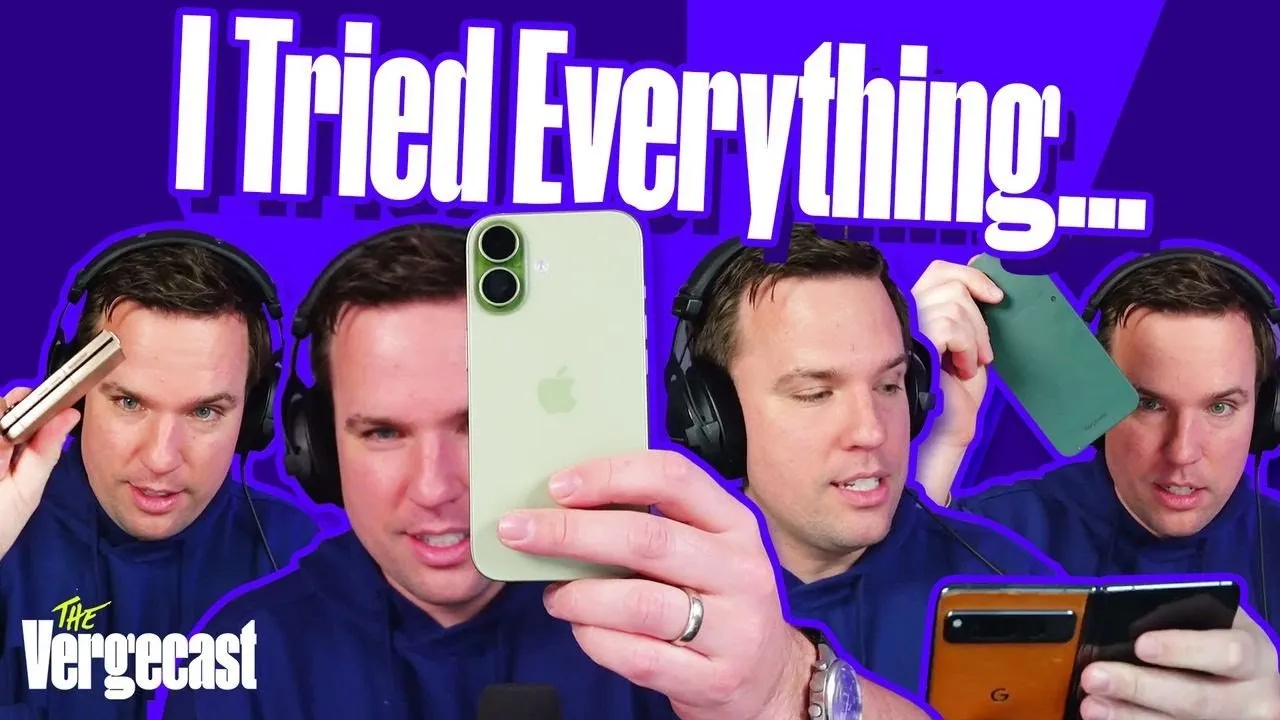
After months of testing a wide array of mobile devices, including foldable phones, flip phones, and various Android flagships, The Verge’s David Pierce has returned to the iPhone. Despite his search for a superior alternative to the industry standard, Pierce concluded that the practical friction of switching platforms—coupled with the superior quality of the iOS app ecosystem—ultimately outweighs the functional advantages found in Android hardware.
Key Points
- Platform Lock-in: The process of migrating data, messaging history, and authentication across operating systems remains a significant pain point, often requiring hours of manual labor.
- Software vs. Hardware: While Android often provides superior notification management and more innovative software integrations, the quality and reliability of iOS apps remain the deciding factor for many power users.
- The App Disparity: Developers prioritize the iOS ecosystem, leading to a noticeable gap in quality, consistency, and feature availability for Android applications.
- The Role of AI: Emerging AI tools like Gemini are transforming how users interact with their phones by automating routine tasks, though they cannot fully compensate for a fragmented third-party app landscape.
The Friction of Switching
For many users, the barrier to leaving the Apple ecosystem is not just personal preference, but the sheer logistical nightmare of migration. Pierce highlighted that moving eSIMs, porting sensitive messaging data, and re-authenticating dozens of service apps often results in a "36-hour process" that is prone to failure.
The number of times you’re in an app and then you go to the email client and then you click on the verify link and it opens the browser instead—it’s a nightmare.
This technical friction is compounded by the "app gap." Even when popular services exist on both platforms, the iOS versions are frequently more polished, reliable, and better maintained. Android’s open nature, while allowing for greater customization, often leaves users at the mercy of individual developers who treat Android as a secondary priority.
AI and the Future of Interaction
A significant portion of the testing involved the use of AI assistants and task automation. Pierce noted that Gemini currently provides a much more robust "orchestration" layer than Siri, allowing users to control system settings and perform complex multi-step tasks through voice commands.
The discussion also touched upon "vibe coding"—using AI to build simple, custom utilities to solve specific productivity bottlenecks. Rather than hoping for a complete overhaul of major operating systems, many users are finding value in using AI to build small, personalized scripts that fill the gaps left by standard software. As AI integration deepens, the focus is shifting from simply "using" a phone to having the phone actively "help" the user navigate its own complex settings and workflows.
What’s Next for Mobile Hardware
While foldable and flip-phone hardware continues to improve, Pierce argues that they have yet to reach a level of software optimization that justifies the trade-offs in battery life, durability, and input experience. For now, the "boring" choice of a standard, high-performing smartphone remains the most pragmatic option for the majority of users.
Moving forward, the industry faces a pivot point. As AI begins to handle the "grunt work" of managing notifications and app authentication, the physical form factor of the phone may become less significant than the intelligence layer running underneath it. However, until developers bridge the quality gap between iOS and Android, the switching process will likely remain a niche pursuit for enthusiasts rather than a mainstream trend.