Table of Contents
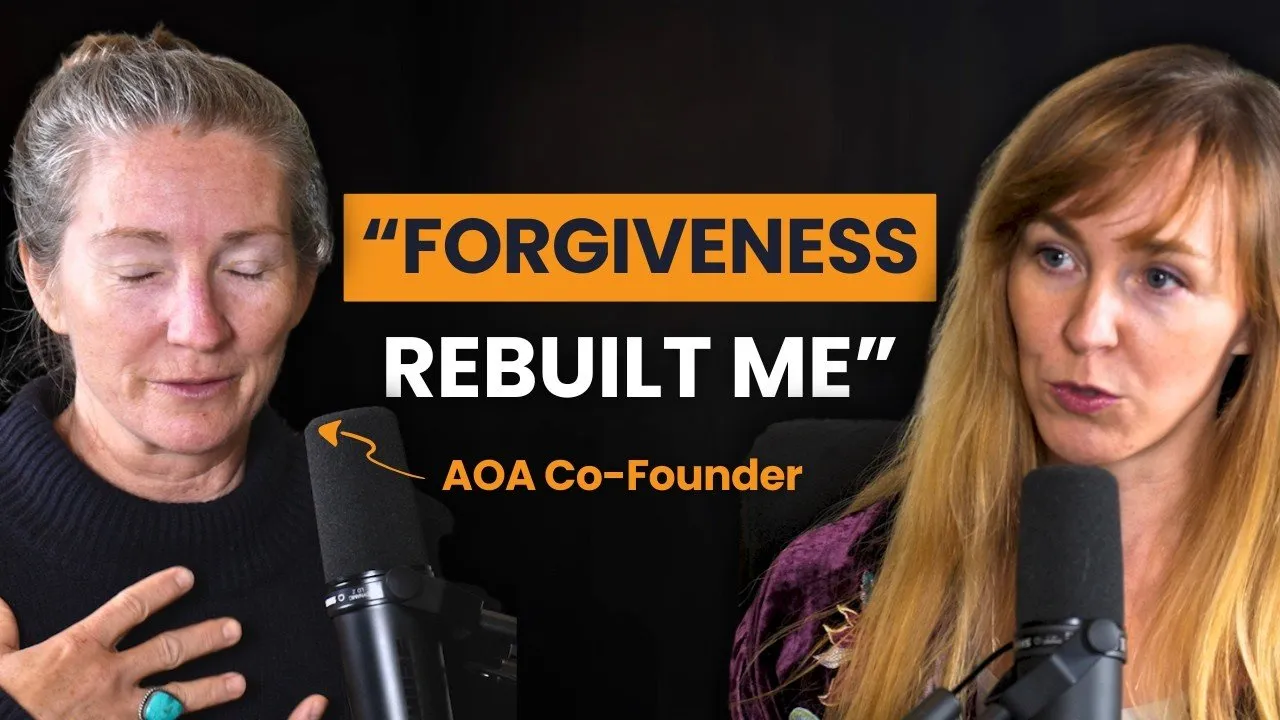
For many of us, the concept of forgiveness is wrapped in layers of childhood conditioning, religious expectations, and social pressure. We are taught that "good people" forgive, often before they are ready or without any change in the underlying situation. This coerced forgiveness isn't actually healing; it is a performance that leaves the heart closed and the body under stress. To truly move forward, we must stop viewing forgiveness as a gift we give to others and start seeing it as a radical act of self-care.
Key Takeaways
- Forgiveness is for you, not the offender. It is the process of releasing toxicity from your own system so you can live with an open heart.
- Resentment often masks a missing boundary. When we lack the protection of clear boundaries, we use anger as a shield. Establishing boundaries allows the anger to finally dissipate.
- It is a three-part somatic process. True forgiveness involves emotional processing (the heart), curiosity (the head), and firm boundaries (the gut).
- Forgiveness does not mean lack of accountability. You can forgive someone while still ensuring they face legal consequences or are removed from your life.
The Trap of Coerced Forgiveness
In our culture, forgiveness is frequently weaponized to maintain social harmony at the expense of individual well-being. Parents may force children to apologize before they feel sorry, and religious institutions often frame forgiveness as a moral requirement for being a "good" person. This creates a version of forgiveness that is hollow and performative. When we forgive because we feel we should, we are merely suppressing our pain to please others.
Clean forgiveness, by contrast, has nothing to do with being "nice" or looking good in society. It is an internal interpersonal work aimed at reclaiming one's own soma and heart. Holding onto blame and hatred releases stress hormones that are physically damaging over time. As the saying goes, holding onto resentment is like drinking poison and expecting the other person to die. True forgiveness is the decision to stop drinking the poison.
"Forgiveness is inherently an act of self-care. It’s not for someone else. It’s not to look good in society."
The Three-Step Process to Clean Forgiveness
Forgiveness is rarely a single decision; it is an inevitable byproduct of a specific internal process. When we try to force the end result without doing the legwork, it fails to stick. Instead, we can approach it through three distinct stages of alignment:
1. The Heart: Emotional Processing
The first step is to honor the hurt, anger, and fear. You cannot bypass your emotions to get to a state of peace. This involves sitting with the raw sensations of betrayal or pain and allowing them to move through your system. By fully experiencing the emotional impact of the event, you begin to take care of your own heart rather than focusing on the person who broke it.
2. The Head: Curiosity and Wonder
Once the initial emotional charge has been processed, you can move into a state of curiosity. This isn't about excusing the behavior, but about understanding the "wounds or wisdom" that led the other person to act as they did. When we are hurt, we create rigid stories about villains and victims. Curiosity softens these stories, allowing us to see the other person as a flawed human being rather than a monster, which ultimately releases us from the grip of the narrative.
3. The Gut: Establishing Boundaries
The final and most crucial step is determining what boundaries are needed moving forward. This is the "gut" check. Forgiveness does not mean returning to the status quo. It might mean never being alone in a room with that person again or choosing to end a relationship entirely. When the gut feels safe because a boundary is in place, the heart no longer needs to stay closed for protection.
"Usually once you have the curiosity, the emotional processing and those clear boundaries, forgiveness is an inevitable byproduct."
Why We Use Blame as a Shield
We often cling to blame because we believe it protects us. If we stay angry enough, we think we will never let the person hurt us again. In this way, resentment becomes a low-quality substitute for a boundary. However, this "protection" comes at a high cost to our health and vitality. It creates a state of chronic clench in the body.
By shifting from blame to boundaries, we reclaim our agency. Instead of waiting for the other person to change or apologize, we take responsibility for our own safety. This brand of responsibility is empowering rather than guilt-inducing. It allows us to say, "I am responsible for my boundaries," which ensures that even if the other person repeats their behavior, we are no longer in the line of fire.
Accountability, Safety, and the Public Interest
A common objection to forgiveness is the fear that it allows perpetrators to hurt others. Critics argue that by forgiving, we are somehow enabling future harm. However, forgiveness is an internal state, while accountability is an external action. You can deeply forgive someone while simultaneously testifying against them in court or warning others about their behavior.
In fact, refusing to forgive does not actually protect the public. Holding onto a "charge" against someone doesn't change their behavior; it only exhausts you. Real protection comes from clear, unemotional action. When we operate from a place of forgiveness, we can set boundaries—like reporting a crime or sharing a professional warning—from a state of clarity rather than a state of reactive malice. This invite-only reality often has a more profound impact on the perpetrator than exile and hatred ever could.
"The actual boundary isn’t about Saturday or Sunday. It’s 'I get my boundaries.' That is the protection."
Forgiveness as Sacred Soul Work
When we move through a deep forgiveness process, we are often different people on the other side. It is a form of "soul work" that melts away old identities and rigid ego structures. This is especially true when it comes to self-forgiveness. Many of us are harder on ourselves than we are on anyone else, using self-blame as a way to control our future behavior.
Approaching this process with "sacredness" means holding yourself gently. It involves recognizing that you are a finite being with limits, yet interconnected with everything else. Boundaries are the ultimate tool for honoring that paradox. They protect the finite self while allowing the spirit to remain open to the world. Whether you are seeking forgiveness or granting it, the goal is always the same: to occupy the whole space of yourself, free from the "gunk" of past grievances, and to live with an open heart.
To learn more about somatic healing and emotional intelligence, visit the Art of Accomplishment.
Conclusion
Forgiveness is not a moral obligation we owe to the world; it is a profound gift we give to ourselves. By moving through our emotions, engaging our curiosity, and hardening our boundaries, we create the safety necessary for our hearts to reopen. When we stop using anger as a substitute for protection, we find that forgiveness isn't something we have to "do"—it's something that happens naturally when we finally decide to take care of ourselves.