Table of Contents
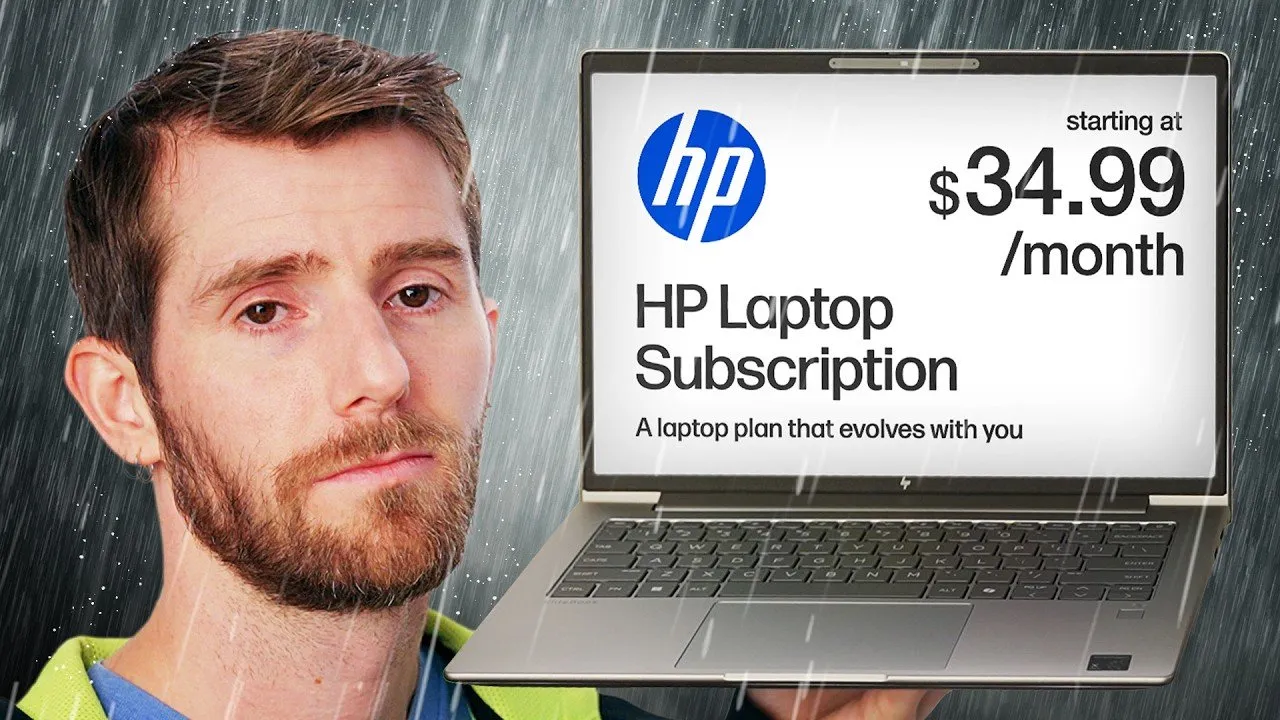
HP has expanded its controversial subscription model beyond printer ink, launching a comprehensive Hardware-as-a-Service (HaaS) program for consumer and gaming laptops that fundamentally shifts the user relationship from ownership to rental. The initiative offers premium hardware bundled with support and data plans for a monthly fee, but it comes with strict terms that preclude users from ever owning the device, signaling a potential industry shift toward "usership" over ownership in personal computing.
Key Points
- Tiered Subscription Model: Plans range from approximately $35 to $85 per month for consumer productivity laptops and $50 to $130 per month for Omen gaming rigs.
- Zero Equity: Unlike traditional financing or leasing, subscribers build no equity in the device and must return the hardware to HP upon cancellation; there is no buyout option.
- Bundled Services: Subscriptions include 24/7 support, next-day replacement for hardware failures, and, on specific models, built-in 5G data plans.
- Aggressive Depreciation: Gaming models require payments totaling nearly 50% of the device's MSRP within the first year, making the program costly for long-term users.
The Shift to Hardware-as-a-Service
Following the industry-wide transition to software subscriptions, HP is testing the waters for hardware subscriptions with a program designed to lock consumers into the HP ecosystem. The service is currently limited to the United States and restricts customers to one laptop per household. While subscription models are standard in enterprise environments, HP’s move targets the general consumer and gaming markets, pitching convenience and frequent upgrades over long-term value.
The program includes a 30-day money-back trial. However, retaining the device beyond the first month locks the subscriber into a one-year contract. According to hands-on reports, the process involves a soft credit check, meaning it does not impact the user’s credit score, provided payments are maintained.
Consumer Program Economics and Experience
For general consumers, HP offers devices such as the EliteBook 6 G1 Q14 AI. This unit features an 8-core ARM Snapdragon X Plus processor, 32GB of RAM, and a 512GB SSD. With a retail MSRP of roughly $3,000, the subscription cost of approximately $85 per month results in the user paying one-third of the device's total value over the mandatory one-year period.
The value proposition relies heavily on the bundled extras. The subscription includes a 5G mobile data plan and access to HP’s 24/7 live support with next-day replacement services. For users who upgrade annually, the math is competitive with buying and selling hardware independently. However, the software experience has drawn criticism.
Early reviews highlight significant "bloatware" issues, specifically regarding HP's AI Companion and Wolf Security suite. Attempting to remove these pre-installed applications can lead to system instability.
"I tried to remove [HP Wolf Security] from my Daily Driver HP laptop... if you uninstall its various pieces in the wrong order, it falls into a circular dependency death spiral where every component of it claims that another component needs to be uninstalled first."
The Omen Gaming Proposition
HP has also quietly rolled out a parallel program for its Omen gaming line. These subscriptions grant access to high-performance hardware, including Intel Core Ultra or AMD Ryzen 7 processors and high-end discrete Nvidia graphics. Monthly fees for these units are significantly higher, reaching up to $130.
Financial analysis suggests HP is masking its math differently for gamers. Subscribers pay just under half of the laptop's MSRP in the first year alone. This aggressive pricing structure suggests HP anticipates heavier wear and tear or a shorter effective lifespan for gaming performance. Consequently, the program becomes financially disadvantageous for any user who keeps the device longer than two years without upgrading.
Implications: The End of Ownership?
The most significant caveat of HP’s program is the lack of a purchase option. Unlike a car lease where the lessee can buy the vehicle at the end of the term, HP subscribers must return the laptop. This creates several limitations for the end-user:
- No Resale Value: Users cannot recoup costs by selling the device on the secondary market.
- No Asset Repurposing: Old laptops cannot be passed down to family members or repurposed as media servers.
- Strict Damage Liability: The subscription does not cover accidental damage. If a user breaks the screen, they are liable for the repair or replacement costs, adhering to a "you break it, you buy it" policy.
Furthermore, HP retains the right to remotely lock the device in the event of non-payment, turning the laptop into a brick until the account is settled.
What’s Next for Consumer Hardware
HP’s experiment represents a litmus test for consumer tolerance of "usership" models. While the program offers a compelling alternative for early adopters who demand the latest specifications annually, it presents a poor value proposition for the average user who keeps a laptop for three to five years.
If successful, this model could encourage other manufacturers to adopt similar walled-garden hardware ecosystems, potentially reducing the availability of purchase-to-own hardware or inflating MSRPs to make subscriptions appear more attractive. For now, consumers must weigh the convenience of a managed service against the long-term costs of renting their digital lives.