Table of Contents
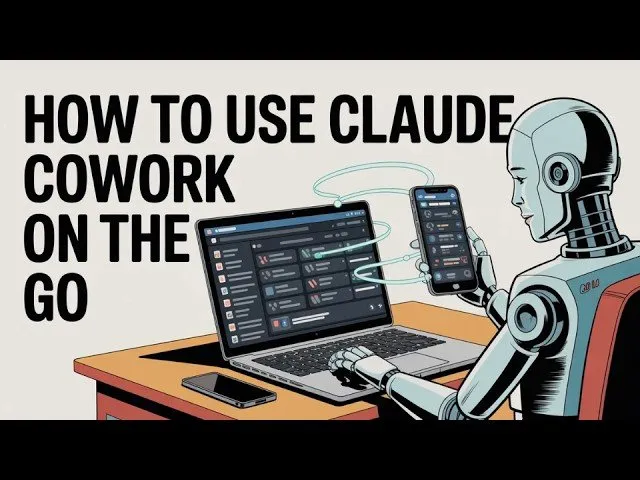
Anthropic has unveiled a new remote-access feature for its Claude ecosystem called Dispatch, allowing users to control their AI agents while away from their primary desktop workstations. The update marks a significant shift in agent utility, transforming the desktop-bound Claude into a mobile-accessible tool for real-time monitoring and task approval.
Key Points
- Dispatch enables users to manage active Claude Co-work sessions from mobile devices, providing remote oversight for AI-driven tasks.
- The feature functions as a "walkie-talkie," with sessions remaining securely hosted in a local sandbox on the user's desktop computer.
- Industry analysts view the launch as part of a broader trend toward a persistent AI layer that follows users across different devices and operational contexts.
- Early feedback highlights improved stability and safety compared to open-source alternatives, though users note current limitations regarding multi-session management and proactive channel integration.
The Evolution of Remote Agent Control
The introduction of Dispatch follows the recent rollout of remote control capabilities for Claude Code. By allowing the AI to maintain its sandbox environment on a desktop while accepting commands via mobile, Anthropic is addressing the demand for "on-the-go" autonomy. Developers have described the experience as a significant leap in productivity, enabling users to trigger complex workflows—such as generating internal dashboard reports or managing travel logistics—from outside the office.
"It feels pretty magical to give Claude a mission on my computer and get occasional updates like creating reports from internal dashboards or finding me a better seat on my next flight. Everything Claude can do on your computer—files, browser, tools—are reachable from wherever you go," said Claude Co-work developer Felix Ryberg.
While some power users have compared Dispatch to open-source agent frameworks, industry experts emphasize that Anthropic’s approach prioritizes security and integration. Unlike some unverified agent models that may pose data privacy risks, Claude’s existing connectors ensure that tasks involving browser and email integration remain within a controlled, stable environment.
The Convergence of AI Form Factors
Dispatch represents more than just a convenient mobile feature; it reflects a "clawification" of AI development, where the focus is shifting toward how agents transition across various form factors. As noted by industry observers, the goal is to create a seamless AI experience where the user’s intent follows them regardless of whether they are at a workstation or on a mobile device.
Analysts suggest that as these tools mature, they are likely to move beyond single-chat sessions. Current limitations—such as the inability to invite Claude into multiple channels simultaneously or maintain proactive, long-running agent threads—are expected to be addressed in future iterations. The overarching industry trajectory is moving toward a persistent, cross-device AI presence that serves as a continuous workspace rather than a siloed application.
Looking Ahead: The Persistent AI Layer
As Anthropic continues to refine the Dispatch feature, the focus will likely shift to expanding the scope of what users can manage remotely. The immediate next steps for the platform include enhancing multi-session support and improving the "heartbeat" of agent updates to allow for more nuanced, autonomous decision-making while the user is away. For professionals, the promise of this technology is a reduced reliance on physical desk time, provided the AI can maintain safety and reliability across these new, mobile-accessible channels.