
Table of Contents
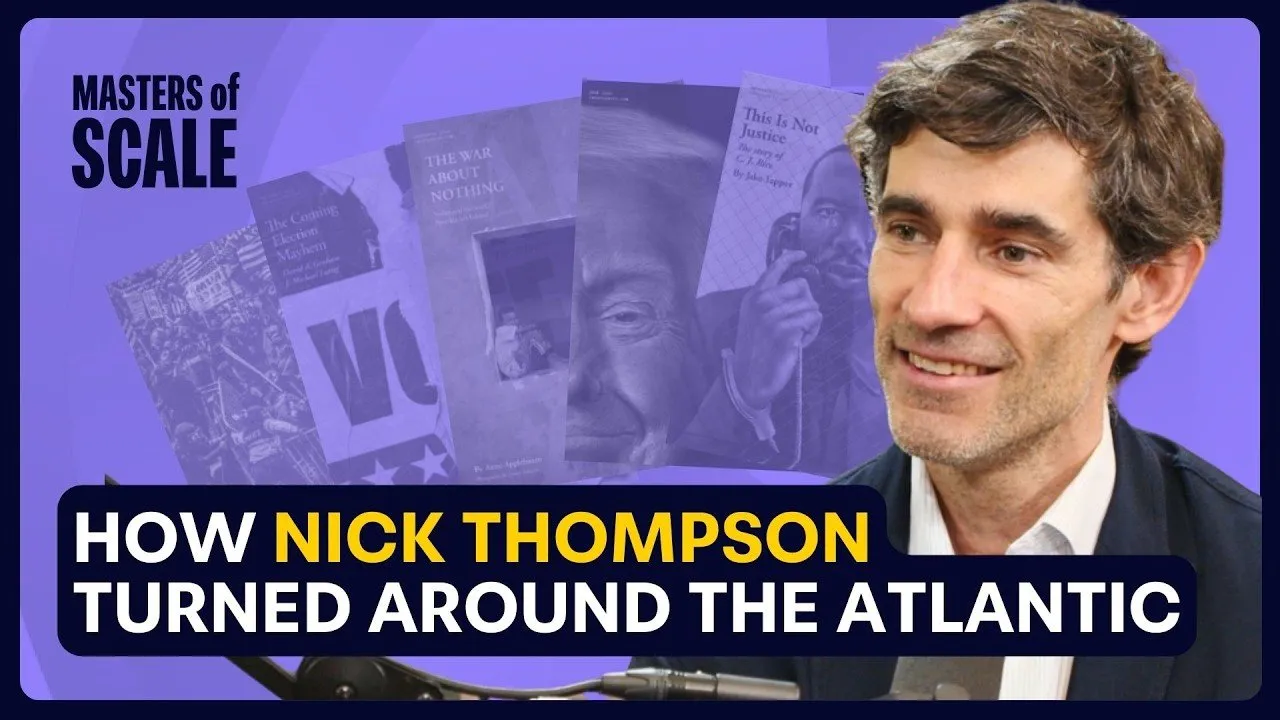
When Nick Thompson took the helm as CEO of The Atlantic in late 2020, the iconic publication was facing a crisis common to legacy media, but exacerbated by a global pandemic. The magazine was reportedly losing between $20 and $30 million annually, had just laid off 20% of its staff, and was navigating a rapidly deteriorating advertising climate. Yet, within four years, Thompson orchestrated a turnaround that saw subscribers surge from a stagnant 800,000 to nearly 1.5 million, leading the company to profitability. His strategy wasn't just about preserving editorial excellence; it required a rigorous application of data science, a controversial embrace of artificial intelligence, and a fundamental rethinking of how a 167-year-old institution competes in the creator economy.
Key Takeaways
- Iterative testing drives subscription growth: Thompson implemented a culture of rigorous data science, running over 230 tests on paywall variables in a single year to turn a stagnant subscriber base into a profitable growth engine.
- Pragmatism over idealism in AI: Despite internal friction, The Atlantic chose to license content to OpenAI rather than relying solely on litigation, aiming to shape the future of search rather than be excluded from it.
- Institutional value vs. Creator independence: To retain top talent against the allure of Substack, legacy media must offer tangible value: legal protection, rigorous editing, and the "church and state" separation that allows writers to focus solely on journalism.
- Leadership requires defined boundaries: Thompson maintains a strict policy of speaking publicly only on issues affecting the business of journalism (like copyright and press freedom) while leaving social and political commentary to the editorial team.
The Data Science of Saving a Legacy Brand
When Thompson arrived at The Atlantic, he recognized that his "comparative advantage" wasn't writing—though he is an accomplished editor—but rather engineering business models for serious journalism. While the magazine’s editorial quality remained high, the economic engine underneath it was broken. The solution lay in shifting from intuition to aggressive, granular testing.
The turnaround didn't happen overnight. For the first 18 months, leading indicators suggested success, but the financials remained grim. The team adopted a tech-centric approach similar to Amazon’s optimization strategies, running hundreds of A/B tests on the paywall.
"We just start this kind of culture of data science, iterative testing. And turns out that changing the math on the way the paywall works... suddenly our subscription growth goes from flat to a hockey stick."
The core challenge of a paywall is the "guessing game": determining whether a reader is a potential subscriber or a casual visitor who should just see the ads. By adjusting variables based on referral sources—treating a visitor from Google Search differently than one from X (formerly Twitter)—The Atlantic increased its "correct guesses," maximizing revenue without destroying reach. This disciplined approach transformed a heavy annual loss into a sustainable model where profits are reinvested into hiring more journalists.
The AI Dilemma: Deal-Making in the Age of Scraping
Perhaps the most contentious decision of Thompson’s tenure was signing a licensing deal with OpenAI. The move sparked significant internal backlash, with the magazine’s own editorial team publishing a piece critical of the partnership titled "A Deal With The Devil."
The Logic of Licensing
Thompson’s rationale was rooted in a hard look at the leverage media companies actually possess. Tech giants were already scraping content to build competing products—often in violation of terms of service and potentially copyright law. Media leaders had three choices: sue, complain, or negotiate. Thompson chose to negotiate.
By partnering with OpenAI, The Atlantic secured compensation for past data usage and a seat at the table for the development of future products like SearchGPT. Thompson argues that waiting for the courts to resolve copyright disputes is a gamble, whereas licensing ensures an immediate exchange of value.
Future Economic Models for AI
The current licensing fees are a stopgap. For the ecosystem to survive long-term, Thompson envisions new models where AI platforms provide recurring value to publishers. These could include:
- The ProRata Model: Search engines attribute answers to specific publishers (e.g., 6% from The Atlantic) and revenue share accordingly.
- Subscription Integration: Authenticating subscribers within AI interfaces, giving them access to premium content inside a chatbot response.
- Traffic Funnels: AI algorithms identifying high-propensity subscribers and serving them direct links to subscription pages.
Navigating Leadership and Culture
Leading a media organization during a time of intense political polarization and the rise of the "creator economy" requires a delicate balance of authority and restraint.
The "Church and State" of Commentary
A defining aspect of Thompson’s leadership is the clear delineation between the CEO’s voice and the magazine’s editorial stance. To maintain The Atlantic’s position as a non-partisan home for rigorous debate, Thompson refuses to issue statements on social or political events, reserving that role for the writers. However, he remains vocal on issues that threaten the business model itself.
"I should make public statements about AI and scraping, copyright, freedom of speech... But I shouldn't be making statements about ICE, you know, I shouldn't be making statements about what happened in Minneapolis."
Retaining Talent in the Substack Era
With star writers like Derek Thompson previously leaving for independent platforms, legacy media faces a talent drain. The Atlantic counters this by emphasizing the infrastructure that independent creators lack: fact-checking, legal counsel, professional editing, and the SEO power of a high-authority domain.
Thompson compares his recruitment strategy to a mix of the New York Yankees and the Tampa Bay Rays: paying top dollar for established stars like sports columnist Sally Jenkins, while simultaneously scouting and developing 25-year-old talent who view the institution as an accelerator for their careers.
Breaking Mental Plateaus
In his memoir, The Running Ground, Thompson explores the intersection of physical endurance and professional growth. After years of running marathons at a plateaued time of 2:43, he managed to shave nearly 15 minutes off his time in his mid-40s, eventually setting an American record for the 50K in his age group.
The breakthrough wasn't physical; it was psychological. He realized he had anchored his performance expectations to his pre-cancer fitness levels. Once he removed that mental ceiling and accepted a higher threshold of pain during training, his performance skyrocketed. He applies this same logic to organizational management, encouraging teams to set goals based on potential rather than precedent.
"What makes you fast or makes you slow is often buried much deeper than you think and it can be tied up in your expectations."
Conclusion
The turnaround of The Atlantic offers a blueprint for modern media companies: embrace data without losing the soul of the product, engage with disruptive technology rather than ignoring it, and provide institutional value that individual creators cannot replicate. By combining the rigor of a tech startup with the principles of legacy journalism, Nick Thompson has proven that even in a declining sector, a 19th-century magazine can find a profitable future in the 21st century.




%20%7C%20Masters%20of%20Scale)