Table of Contents
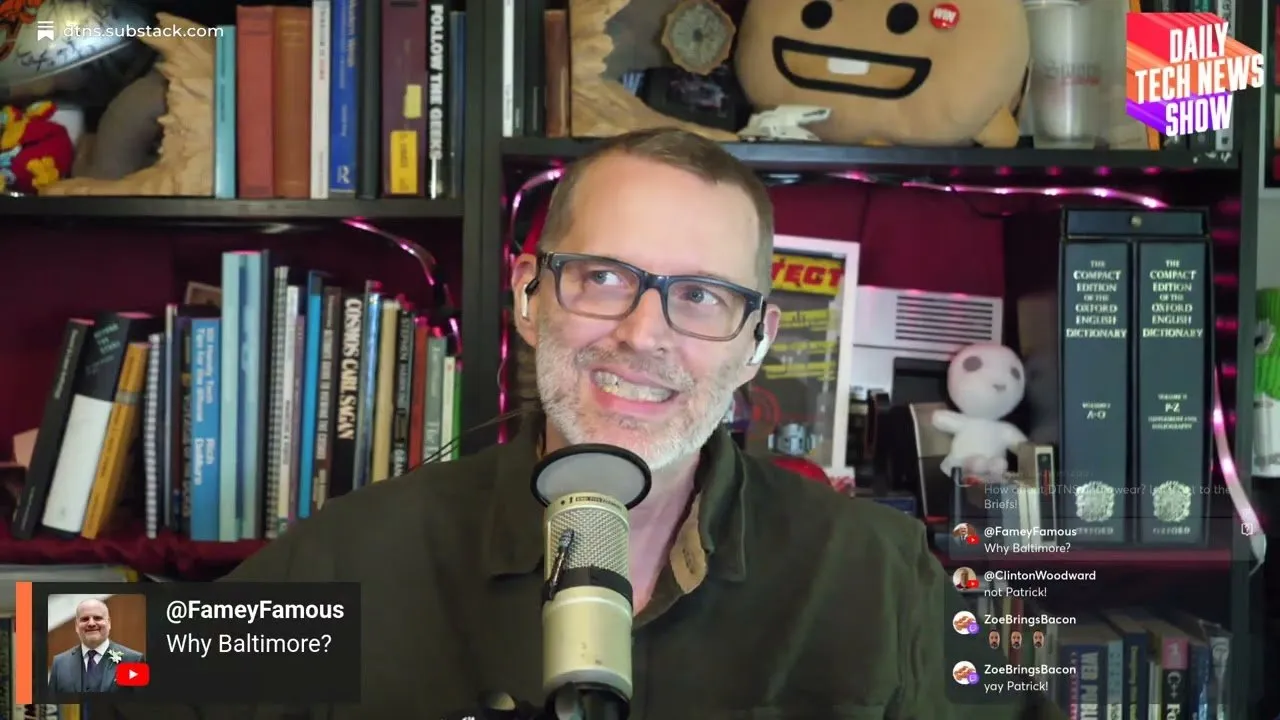
In a recent installment of the Daily Tech News Show (DTNS) mailbag, host Tom Merritt and producer Amos addressed listener feedback regarding audio quality, clarified misconceptions about Newegg’s business model, and provided a glimpse into the production standards that define the show. The discussion underscored the inherent difficulties of maintaining consistent audio levels across live streaming and pre-recorded content, as well as the importance of community transparency in maintaining the podcast’s standard of quality.
Key Points
- Tom Merritt clarified that Newegg is considered a "nostalgia play" due to its prominence in the early 2000s, not because it previously operated as a brick-and-mortar retail chain.
- The show clarified its audio production standards, noting that while they target -16 LUFS for produced episodes, live broadcasts require a focus on consistent gain and peak management over strict loudness normalization.
- The DTNS team is currently organizing a new tournament focused on sci-fi technology, with nominations open to the community via their Discord channel.
- Listeners and the production team engaged in a constructive dialogue about how "tone over text" can lead to misunderstandings, emphasizing the value of assuming positive intent when providing critical feedback.
Addressing Audio Production and Audience Feedback
The episode featured an extensive exchange with a listener, TJ, who critiqued the audio levels of a recent Friday Hangout, noting that guest audio was significantly louder than the host’s. Amos explained that the inconsistency stemmed from a "behind-the-scenes" segment where standard leveling procedures were bypassed to maintain an authentic, raw feel.
"The honest truth is we didn't level check Amos on that show because it was a behind-the-scenes making of meant to be raw. So, there's not much to say. Honestly, he wasn't part of the main show and the leveling for the main show is done after the fact." — Tom Merritt, host of Daily Tech News Show.
The conversation served as a masterclass in production philosophy. The team explained that unlike edited, produced podcasts, live streams are managed in real-time. Amos detailed their process, which involves per-person sound checks using StreamYard’s internal meters and manual adjustments for gain and headroom to prevent clipping. This level of transparency is a hallmark of the DTNS community, fostering an environment where technical standards are continuously refined through expert and listener feedback.
Clarifying Retail History and Future Programming
In response to a listener’s confusion regarding Newegg, Merritt addressed the perception that the company once had physical storefronts similar to RadioShack or Egghead Software. He confirmed that while Newegg is frequently grouped with these legacy retailers in "nostalgia" brackets, its business model was inherently digital-first. The discussion reflected broader community interest in the history of tech retail, which is currently the theme of the show's latest bracketed tournament.
Looking ahead, the show continues to expand its programming. Merritt highlighted a robust schedule, including a featured discussion on the "dumb phone" movement with Emily Forini from PC Mag, and a deep dive into podcasting workflows with Patrick Beija. These segments reflect DTNS's ongoing commitment to exploring both the practical tools of the industry and the cultural shifts within technology consumption.
Community Engagement and Future Steps
The interaction between the hosts and the audience remains central to the DTNS mission. By openly discussing listener critiques—ranging from production quality to the clutter on Merritt’s studio shelves—the team creates a bridge between creators and consumers. The show is moving forward with its sci-fi technology tournament and is actively soliciting input from its Discord community for potential guest experts to discuss niche technical fields like 3D printing and racing technology.
The production team plans to continue refining their pre-flight sound checks to ensure a consistent experience for listeners, even when streaming under unconventional conditions. As the show evolves, the emphasis remains on iterative improvement and maintaining an open line of communication with the community to preserve the authenticity that defines the Daily Tech News Show.