Table of Contents
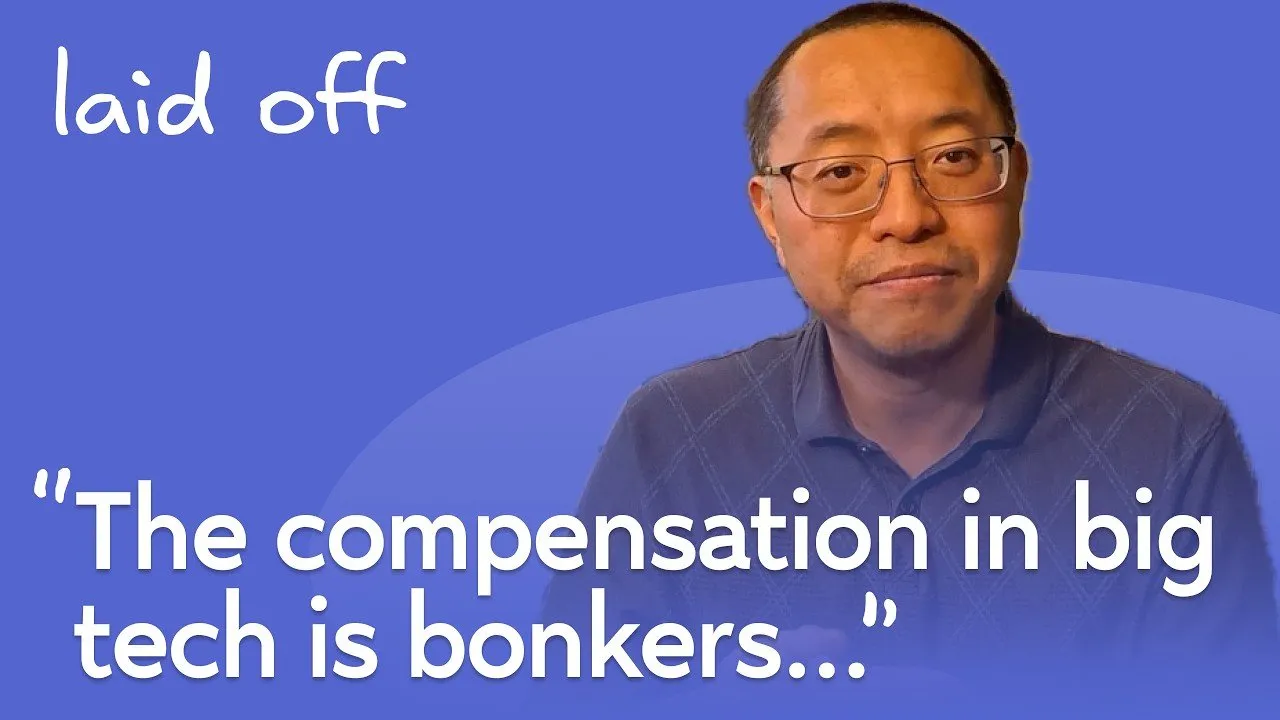
When a veteran engineer with a quarter-century of experience gets put on a layoff list, the expected reaction is panic. However, for "Asian Dad Energy," an anonymous tech insider and viral content creator, the reaction was a calculated mix of strategy and altruism. After 25 years traversing the landscape from high-pressure consulting firms to the golden handcuffs of Big Tech, his exit story offers a rare, unfiltered glimpse into the current state of the software industry.
The narrative surrounding recent tech contractions often focuses on numbers and stock prices. Yet, the human element—the anxiety, the relief, and the strategic maneuvering behind the scenes—tells a more compelling story. From the "sausage making" of digital transformation consulting to the "bonkers" compensation structures of Silicon Valley, this veteran’s journey provides a roadmap for understanding the volatile nature of modern tech careers.
Key Takeaways
- Strategic Exit: Layoffs aren't always passive; seniority and strong networks can allow engineers to negotiate their exit, potentially saving junior team members in the process.
- The AI Efficiency Narrative: Current workforce reductions are likely driven by a pressure to demonstrate "AI efficiency" to Wall Street, cutting headcount to boost stock valuations despite flat revenue.
- Consulting vs. Big Tech: While consulting offers rapid exposure to different tech stacks, Big Tech compensation—driven by RSUs and ESPP—can triple a salary compared to agency work.
- The Age Factor: Learning agility changes significantly after 40, making "flexibility" the single most important trait for career longevity.
- Communication is King: The most brilliant code fails if the engineer cannot detach from the technical details and explain the value to non-technical stakeholders.
Inside the Layoff: Strategy and Sentiment
The psychological toll of a layoff is usually characterized by uncertainty. However, for those with deep tenure, the writing is often on the wall long before the official email arrives. In this case, rumors had been circulating for months, creating an atmosphere where the question was not if, but who.
Interestingly, seniority offered a unique leverage point. Upon learning through the grapevine that junior engineers were also on the cutting block, a decision was made to perform a "switcheroo." By voluntarily moving to the top of the list, it bought the younger team members a few months of runway—a critical buffer in a tightening job market.
The Emotional Cocktail
Even when a layoff is anticipated or strategically accepted, the emotional impact remains volatile. It is rarely just sadness or relief; it is a chaotic mix of everything at once.
"It was anxiety, panic, excitement, fear, hope, everything. I felt like I was in this thing where I was doing the same thing for years. And this was a sudden change... it was a major change coming to my life."
The exit process itself highlights the disparity between top-tier tech firms and the broader market. The "garden leave" model—where employees remain on payroll but off duty—combined with generous severance, PTO payouts, and stipends, can create a financial cushion that turns a crisis into a semi-retirement opportunity. Negotiating these packages is possible, though often the mental toll of the event takes priority over squeezing out an extra percentage.
The "Meta" Behind the Cuts: An AI Bubble?
Why are profitable companies shedding talent? The perspective from the inside suggests we are in a specific "meta" of the tech industry cycle. The sector has poured immense capital into Artificial Intelligence over the last two years, integrating it into every feature, platform, and service available.
The industry is now under immense pressure to validate those investments. A primary lever to demonstrate value to shareholders is the reduction of operational costs (headcount) while maintaining revenue. This creates a narrative of "efficiency via AI," which drives stock prices up, even if the actual productivity gains of AI are not yet fully realized.
This suggests a potential risk of overinvestment. If these widespread AI integrations do not yield clear, tangible returns, the industry might see a correction where headcount is shed not just for optical efficiency, but out of financial necessity. Conversely, if the productivity boom materializes, the remaining workforce could become exponentially more valuable.
From "Sausage Making" to Golden Handcuffs
A significant portion of a 25-year career is often spent outside of Big Tech, in the trenches of digital consulting. This environment is characterized by rapid pace, high variety, and a distinct lack of ownership over the long-term health of a codebase.
The Reality of Consulting
Consulting requires a specific type of resilience. Engineers are "parachuted" into client environments, requiring them to navigate not just new codebases, but complex political topologies. The work often involves stitching together incompatible systems to fulfill a digital transformation vision sold to the C-suite.
The burnout in this sector often stems from the gap between the sales pitch and the technical reality. Executives are sold a seamless, data-driven future, while the engineers are left to assemble a fragile backend to support it. Integrity becomes the primary conflict.
"It's your obligation to tell your client that, hey, the $20 million that you've invested is a steaming pile of turds. That's what you're supposed to do."
The Compensation Jump
Transitioning from consulting to Big Tech is often a shock to the system, primarily regarding compensation. While consultants are paid comfortably, Big Tech remuneration structures—specifically Restricted Stock Units (RSUs) and Employee Stock Purchase Plans (ESPP)—can result in total compensation doubling or tripling.
The ESPP, for instance, allows employees to purchase company stock at a discount (often 15%) relative to the market price. During periods of market growth, such as the COVID-19 digital boom, holding these assets can result in exponential wealth accumulation. This financial disparity explains why many endure the "golden handcuffs" despite the bureaucratic overhead of large corporations.
Navigating a Career Over 40
Software engineering is notoriously unkind to aging. The neuroplasticity required to learn new frameworks at the pace of a 20-year-old diminishes over time. The "Olympic gymnast" analogy fits well here: a maneuver that is effortless in one's 20s can result in injury in one's 40s. In coding terms, learning a new stack goes from a matter of days to a matter of weeks.
The Importance of Soft Skills
To survive this "skill cliff," experienced engineers must pivot toward soft skills and flexibility. The ability to adapt to changing conditions—whether it's a new CI/CD pipeline, a management shift, or a new tech stack—becomes more valuable than raw coding speed.
Furthermore, communication acts as a force multiplier. A common failure mode for brilliant engineers is the inability to decouple their ego from the complexity of their work. They explain the how (the complex memory optimization) rather than the why (the business value). The most successful senior engineers are those who can explain complex systems as if speaking to a five-year-old, bridging the gap between engineering and leadership.
Conclusion
The transition from a high-velocity career to an involuntary pause can be jarring, but it also offers a moment for reinvention. Whether through vlogging, coding passion projects, or simply enjoying "Asian Dad" semi-retirement, life after Big Tech proves that there is an identity beyond the job title.
The future of the industry remains unwritten. We may be heading toward an AI-driven utopia of productivity, or a market correction driven by overinvestment. Regardless of the macro trends, the advice for the individual engineer remains timeless: work hard, respect the craft, and above all, stay flexible.