
Table of Contents
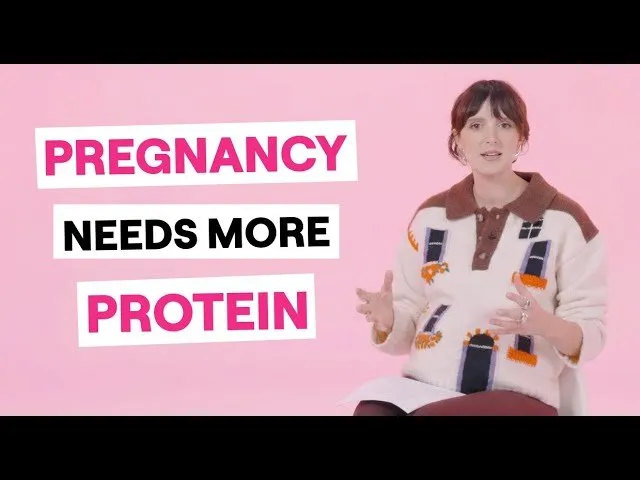
If you are currently pregnant, there is a strong possibility that you are not consuming enough protein to meet your body’s increased demands. While protein is widely recognized for its role in muscle building, it is also the fundamental building block for the molecules that keep you alive—from insulin and antibodies to collagen. During pregnancy, your body is tasked with supporting both your own physiological functions and the rapid, protein-intensive development of your baby, who is roughly 50% protein by mass at birth.
Key Takeaways
- Protein needs during pregnancy are significantly higher than outdated guidelines suggest, with current science indicating a need for 50% more than previous estimates.
- Failing to meet these requirements—a state known as protein restriction—can lead to maternal muscle loss and may negatively impact fetal development.
- The body utilizes the Amino Acid Response (AAR) pathway to signal a protein shortage, which can trigger muscle breakdown in the mother and send stress signals to the developing baby.
- Data suggests that adequate protein intake is associated with better neurodevelopment in children and a reduced risk of long-term health issues for both mother and child.
The Hidden Biology of Pregnancy
Inside your womb, your baby’s cells are working tirelessly. Each cell contains tiny structures called ribosomes, which function as biological factories, producing approximately 2 million proteins per minute. These proteins are responsible for building everything from the immune system and organs to brain tissue and bones. To fuel these factories, the baby requires a steady stream of amino acids, which are supplied exclusively through your diet.
Your body is also undergoing massive physical changes that demand additional protein. Over the course of nine months, your system must synthesize roughly 100 grams of protein for the placenta, 160 grams for uterine expansion, and 200 grams for blood and fluid increases. When you consume protein-rich foods—such as eggs, fish, meat, or lentils—your digestive system breaks them down into amino acids, which then cross the placenta to support your baby’s growth.
Your baby’s cells in your womb have little factories called ribosomes. Ribosomes are busy busy busy making about 2 million proteins per minute in each cell.
Re-evaluating Protein Requirements
For decades, nutritional guidelines relied on the nitrogen balance technique, an assessment method dating back to the 1840s. This approach, which is still widely cited, often results in an underestimation of what pregnant women actually need. In the 1990s, a more accurate method called the Indicator Amino Acid Oxidation (IAAO) technique was developed in Canada. The results of this newer science are clear: modern protein requirements are significantly higher than the traditional standard.
Recommended Intake Levels
- First Trimester: Approximately 1.22 grams of protein per kilogram of body weight daily.
- Second and Third Trimesters: Approximately 1.52 grams of protein per kilogram of body weight daily.
- Breastfeeding: Approximately 1.7 to 1.9 grams of protein per kilogram of body weight daily.
Research indicates that as many as 70% of pregnant women fail to meet these requirements during the second and third trimesters. Without intentional tracking, it is remarkably easy to fall into a state of "protein restriction" because a standard diet—even one perceived as healthy—often lacks the volume required to hit these updated targets.
The Consequences of Protein Restriction
When you consume insufficient protein, your body triggers the Amino Acid Response (AAR) pathway, essentially activating a "low protein alert" mode. This signal instructs the ribosomes to slow production and commands your body to break down its own muscle tissue to harvest necessary amino acids. While this process prioritizes the baby’s immediate needs, it comes at a cost to the mother.
Impact on Maternal Health
Muscle mass is vital for longevity, metabolic health, and glucose regulation. Studies show that up to 30% of women lose strength in their hip muscles by the third trimester, and 65% experience muscle loss postpartum. During breastfeeding, the risk of muscle wastage is even higher, as the body works to produce protein-dense breast milk. Neglecting protein intake during this window can make regaining muscle strength postpartum significantly more difficult.
If you lose a lot of muscle during pregnancy and breastfeeding, it'll put you in a much worse situation after having a baby than before.
Programming Fetal Development
The implications of protein restriction extend beyond the mother; they may also influence the baby’s biological programming for life. Animal studies have shown that when maternal protein is restricted, the AAR pathway is activated in both the mother and the fetus. This sends a potential "scarcity" signal to the developing baby, which may result in smaller muscle mass at birth and slowed growth patterns.
Long-term Health Outcomes
In humans, severe protein restriction is linked to intrauterine growth restriction (IUGR). Infants born with low birth weight face a higher lifetime risk of:
- Insulin resistance and Type 2 diabetes
- Cardiovascular disease and hypertension
- Obesity and metabolic syndrome
It's not just like if low protein during pregnancy affected only the mother and then the baby was shielded. It appears that it actually sends a message to the baby in the womb.
Historical data, such as that gathered from the Dutch famine during World War II, further supports the theory that nutritional environments during the fetal stage have lasting consequences. Babies born during that period of extreme scarcity experienced higher rates of chronic illness decades later. While modern diets generally offer more variety, the simple act of prioritizing adequate protein ensures that you are providing your baby with the best possible foundation for long-term health.
Ultimately, pregnancy is a brief but critical 1% of your lifetime that shapes the future of your child. By accurately tracking your intake and ensuring you reach your daily protein requirements, you can move past the limitations of outdated nutritional advice. You have the power to protect your own metabolic health while fostering optimal development for your baby, turning this unique period into a foundation for a lifetime of well-being.

![URGENT: This Next Market Rotation Will Go Parabolic! [& It’ll Be Quick]](/content/images/size/w1304/format/webp/2026/03/market-rotation-parabolic-shift-forecast.jpg)


)