Table of Contents
Behind the scenes of a public persona, there often exists a private battle. For the past 18 months, I have lived what feels like a secret life, navigating the turbulent waters of complex illness. While maintaining a professional output, I have been systematically trying to reverse-engineer extreme fatigue, brain fog, and low mood. This journey has led me from clinics in Mexico to intense regimens involving ozone therapy, peptide protocols, and red light saunas.
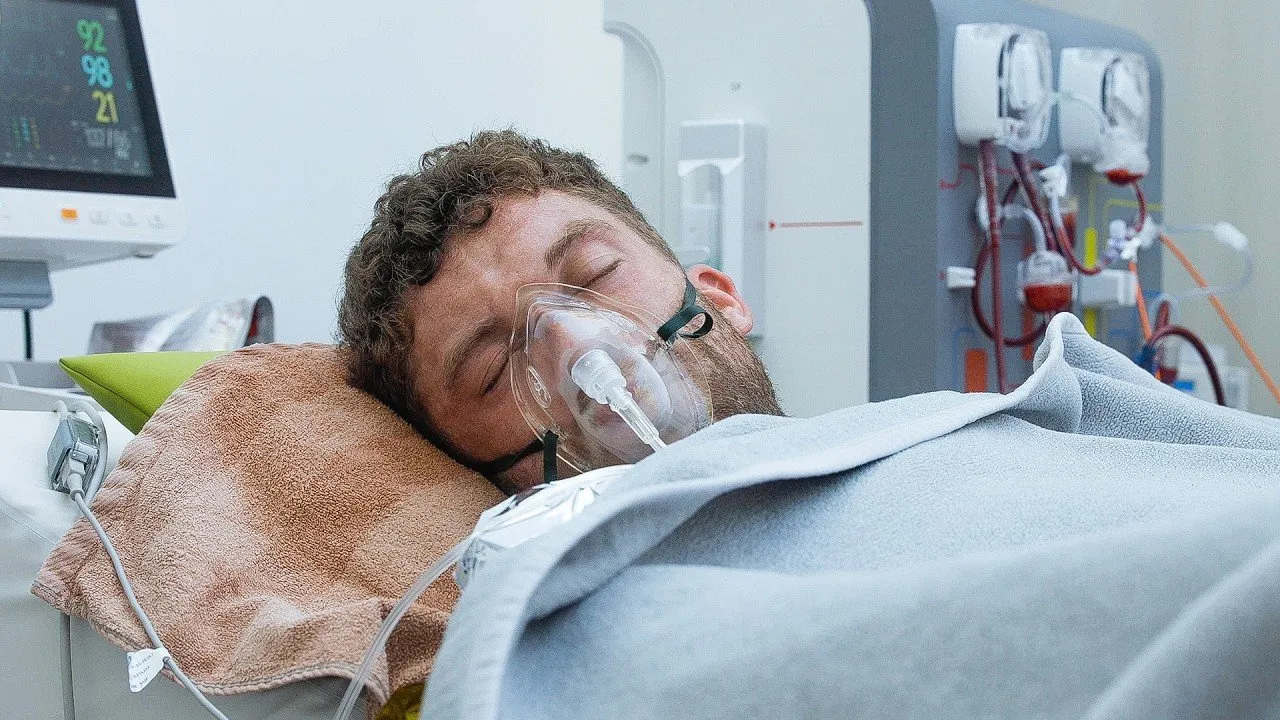
My latest attempt to reclaim my health took me to Vienna, Austria, for a highly experimental and aggressive procedure: whole-body hyperthermia combined with hemoperfusion. This treatment involves inducing a forced fever of nearly 105°F while simultaneously filtering the blood. It is an extreme measure for extreme circumstances, representing a convergence of biohacking and advanced medical intervention designed to reset the body’s immune system and eliminate deep-seated pathogens.
Key Takeaways
- The Vienna Protocol combines three modalities: The treatment integrates whole-body hyperthermia (induced fever), oxygenation, and hemoperfusion (blood filtration) to attack complex illnesses.
- Mimicking the body’s natural defense: By raising the core body temperature to 41°C (105.8°F), the procedure aims to trigger cells to dump toxins and destabilize heat-sensitive pathogens like Lyme and Epstein-Barr.
- The psychological toll of chronic illness: Beyond the physical symptoms, the journey requires immense resilience, challenging one's patience and ability to surrender control during the recovery process.
- Biohacking requires risk management: Experimental treatments involve significant logistical and physical preparation, from heavy metal chelation to practical measures like protecting fertility during heat exposure.
The Complexity of Invisible Illness
One of the most frustrating aspects of chronic autoimmune or mold-related conditions is the disconnect between clinical data and subjective experience. In the early stages of my health crisis, blood tests revealed numerous markers that needed attention. Over nine months, I systematically addressed each one. Yet, a paradox emerged: the numbers improved, but the symptoms remained.
"When you've got rid of them and you still don't feel any good, you start to—in some ways it's satisfying because you fixed all the problems, but you haven't fixed the problem. You've just got rid of the numbers. The problem is I felt tired and sad and forgetful and that's still there."
This phenomenon drives many patients toward more radical interventions. Standard medical protocols often treat the markers rather than the root cause of the malaise. When "fixing the numbers" fails to restore vitality, the strategy must shift from management to a total system reset. The goal becomes finding a solution for intracellular infections—pathogens that hide inside the cells, stealing energy from the mitochondria and evading the immune system.
Deconstructing the Vienna Treatment
The procedure in Austria is built on the hypothesis that complex illnesses like Lyme disease, mold toxicity, and viral reactivation require a multi-pronged attack. The treatment is not a single event but a 3-day orchestration of biology and technology.
1. Hyperthermia (Forced Fever)
The cornerstone of the treatment is whole-body hyperthermia. The medical team places the patient under general anesthesia and raises the core body temperature to approximately 41°C (roughly 105°F). Evolutionarily, fever is the body's natural method for killing invaders. Many chronic pathogens are heat-sensitive and cannot survive at these temperatures.
Furthermore, the heat acts as a cellular stressor, forcing cells to expunge toxins into the bloodstream. Once these toxins are released from the tissues, they must be captured immediately to prevent re-toxification.
2. Hemoperfusion and Filtration
To manage the flood of toxins released by the heat, doctors utilize a central femoral line. This allows them to bypass the limitations of peripheral veins and filter the body's entire blood volume approximately 15 times during the procedure. The blood passes through advanced filters designed to catch inflammatory components, heavy metals, and the debris released by dying pathogens.
3. Oxygenation
Simultaneously, the blood is oxygenated. This creates an environment hostile to anaerobic bacteria and viruses. By supercharging the blood with oxygen while the body is in a hyperthermic state, the treatment aims to fight intracellular infections such as Epstein-Barr virus (EBV) and Cytomegalovirus (CMV).
The Three-Day Protocol in Practice
Undergoing this treatment is a physically demanding experience that requires precise preparation and recovery.
Day 1: Preparation and Chelation
The first day involves preparing the body to release toxins. This includes the administration of IVs for chelation, a process that pulls heavy metals out of the tissues. The logic is strategic: by mobilizing these metals beforehand, they can be more effectively caught in the filters during the main procedure the following day.
Day 2: The Procedure
This is the "heavy lifting" day. The patient is sedated for several hours while the hyperthermia and filtration occur. It is a major medical intervention involving catheters, femoral lines, and constant monitoring. Interestingly, biohacking involves practical considerations alongside high-tech ones. Because high heat can be detrimental to male fertility, I had to consult with a urologist and arrange for specific cooling measures—ice packs applied locally—to protect reproductive health while the rest of the body was heated.
"I like to tell people that I've got a whole bunch of like 20, 30, 40% solutions for complex illness. And so hyperothermia has been one of those solutions. Probably 30% of the people that I've sent for hyperothermia have been shockingly helped."
Day 3: The Reset
The final day focuses on stabilization. After the trauma of the procedure, the body is exhausted. The medical team administers specific IVs to balance electrolytes and aid recovery. The physical aftermath is significant; symptoms include dizziness, brain fog, and localized pain from the catheter sites and prolonged immobility.
The Psychological Crucible of Healing
Perhaps the most understated aspect of battling complex illness is the mental toll. We often view health as a linear journey, but autoimmune recovery is rarely a straight line. It is a lesson in adversity training that no gym session can replicate.
For someone accustomed to discipline and control, the helplessness of being a patient is jarring. There is a profound vulnerability in relying on machines to filter your blood and needing friends to ensure you remain hydrated and safe. The process strips away the illusion of invincibility.
"I think I've cried more in the last 18 months than probably the previous 18 years. It really does push the limits of your capacity of tolerance... How much can you deal with being out of control? Not being in charge of the direction of your life or your health."
This experience forces the cultivation of different virtues: patience, self-compassion, and the ability to endure uncertainty. The "hustle" mindset that drives professional success is ineffective here. Instead, one must adopt a mindset of surrender and trust in the process.
Conclusion
The decision to undergo experimental hyperthermia and blood filtration is not one made lightly. It is a response to the stubborn persistence of modern, complex diseases that defy standard treatment. While the physical procedure is grueling—involving general anesthesia, extreme heat, and invasive filtration—it represents a beacon of hope for those who have exhausted traditional options.
Recovery is not immediate. It is a steady case of "three steps forward, one step back." However, by addressing the root causes through oxygenation, detoxification, and immune resetting, the goal is not just to survive, but to reclaim the person lost to illness. The journey is arduous, but the pursuit of vitality and the return to one’s true self is worth every struggle.