Table of Contents
Homer’s The Odyssey is far more than a mythic sea voyage; it is a profound exploration of the human condition, trauma, and the arduous path toward healing. As a sequel to the Iliad, it shifts the focus from the battlefield to the domestic sphere, framing the journey home as a literal and psychological struggle to mend a shattered soul. Through the eyes of Odysseus, Penelope, and Telemachus, Homer presents a timeless look at how war, absence, and grief fracture a person’s worldview.
Key Takeaways
- The Nature of Trauma: The epic depicts the psychological toll of war, portraying Odysseus, Penelope, and Telemachus as individuals suffering from depression and post-traumatic stress.
- The Fractured Soul: Homer suggests that trauma "splinters" one’s worldview, leaving a person unable to act, plan for the future, or find meaning in their daily lives.
- The Necessity of Homecoming: The story argues that the only path to healing from profound trauma is through the restoration of family bonds and the reconciliation of one’s past actions.
- Cognitive Dissonance: Many of the characters' behaviors—such as Penelope’s social withdrawal or Odysseus’s obsession with legacy—are manifestations of the internal conflict between the identities they held before the war and the harsh realities they witnessed during it.
The Triad of Suffering: Family in the Shadow of War
To understand the depth of The Odyssey, one must view the central characters as a family unit defined by their collective trauma. Odysseus, the legendary strategist, is effectively a man broken by the violence he witnessed and perpetrated. His "odyssey" is not just a search for land, but a search for his former self.
Penelope and the Burden of Uncertainty
Penelope remains in Ithaca, trapped in a state of purgatory. For twenty years, she has held onto the hope that her husband is alive, even when all logic suggests he is dead. Her isolation and refusal to engage with the suitors are not signs of weakness, but symptoms of a fractured worldview. She is unable to move forward, yet cannot accept the finality of her loss, leading to a profound state of depressive stagnation.
Telemachus: The Son in the Shadow
Telemachus represents the frustration of a generation living in the wake of a "legend." Because he cannot confirm his father’s death, he is denied his inheritance and his identity as the master of his own home. He is caught in a cycle of helplessness, watching his family’s wealth—and his own youth—wither away while he waits for a resolution that seems perpetually out of reach.
The Ancient Concept of the Soul
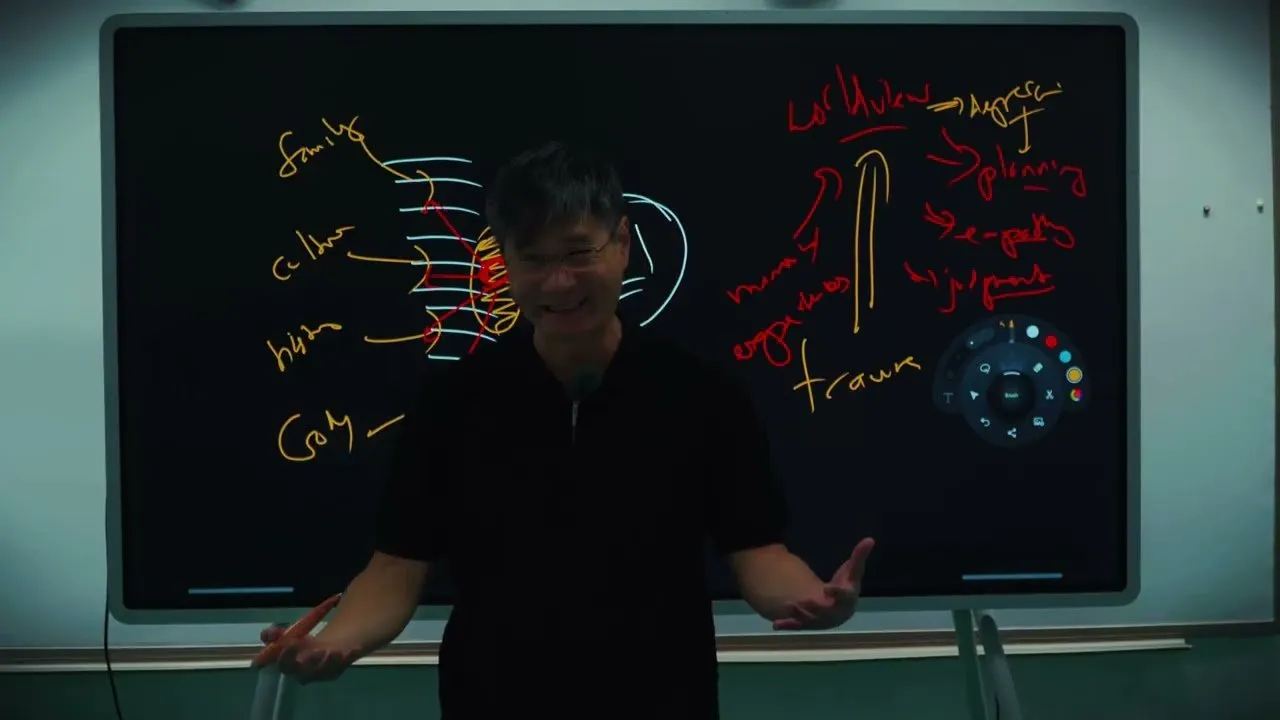
In the modern world, we often rely on material science, which tends to view psychology as a collection of symptoms. The ancients, however, viewed the soul as a complex, multidimensional entity. They understood it as a "worldview"—the framework through which we understand who we are, our history, and our place in the cosmos.
The soul that they understood... is almost infinite dimensions. There are different layers to the soul and there’s really a part of the soul that is you.
Trauma, in this context, acts as a rupture. It creates a disconnect where one's experiences become so painful that the individual can no longer integrate them into their identity. When the soul is "splintered" by tragedy, it results in the inability to act or think clearly, a state we today identify as severe depression.
The Paradox of the Trojan War
Odysseus’s initial motivation for going to Troy was rooted in an idealistic triad: justice, family, and legacy. He convinced himself that he was fighting to avenge a stolen wife and to ensure a better world for his son. However, the victory at Troy destroys these justifications. He realizes he has not acted for justice, but for destruction; he has not protected families, but dismantled them.
He sees Penelope in this woman. He says, "I came all this way to make sure that Helen could be safe of her husband." And now he just recognized that I just killed someone’s husband.
This realization is the catalyst for his PTSD. The memory of the Trojan Horse—the very strategy that cemented his status as a hero—becomes a source of deep shame and psychological pain. The journey home is not just about logistics; it is an attempt to reconcile the man he was at the start of the war with the man he became within its walls.
The Power of Reconciliation
As Odysseus travels, he is constantly confronted with his own past. Notably, his emotional reaction to the bard’s song at the banquet indicates that he is ready to confront the truth. By weeping for the victims of the war, he stops repressing his guilt and starts the painful process of reintegrating his fragmented soul.
Ultimately, Homer’s message is one of human connection. The "odyssey" is a shared experience. The repair of the soul does not happen in isolation; it happens through the return to the domestic core. The love of family is presented as the only force powerful enough to overcome the nihilism of war and the crushing weight of past trauma.
Conclusion
The Odyssey remains a cornerstone of literature because it refuses to simplify the human experience. It acknowledges the complexity of a world where soldiers return home as strangers and where wives wait for ghosts. By framing the return to Ithaaca as a quest for psychological wholeness rather than just a physical homecoming, Homer offers a timeless meditation on how we might survive our own tragedies: by facing our past, acknowledging our fractures, and finding our way back to the people who define us.