Table of Contents
The Odyssey concludes as more than just an epic tale of adventure; it is a profound exploration of homecoming. At its core, Homer’s masterpiece chronicles the reunification of Odysseus, Penelope, and Telemachus—three individuals separated for two decades and suffering under the weight of trauma and depression. While Odysseus grapples with a shattered identity, Penelope faces the agony of uncertainty, and their son, Telemachus, struggles to claim his legacy. Their journey toward reconciliation is ultimately a study in the transformative power of love.
Key Takeaways
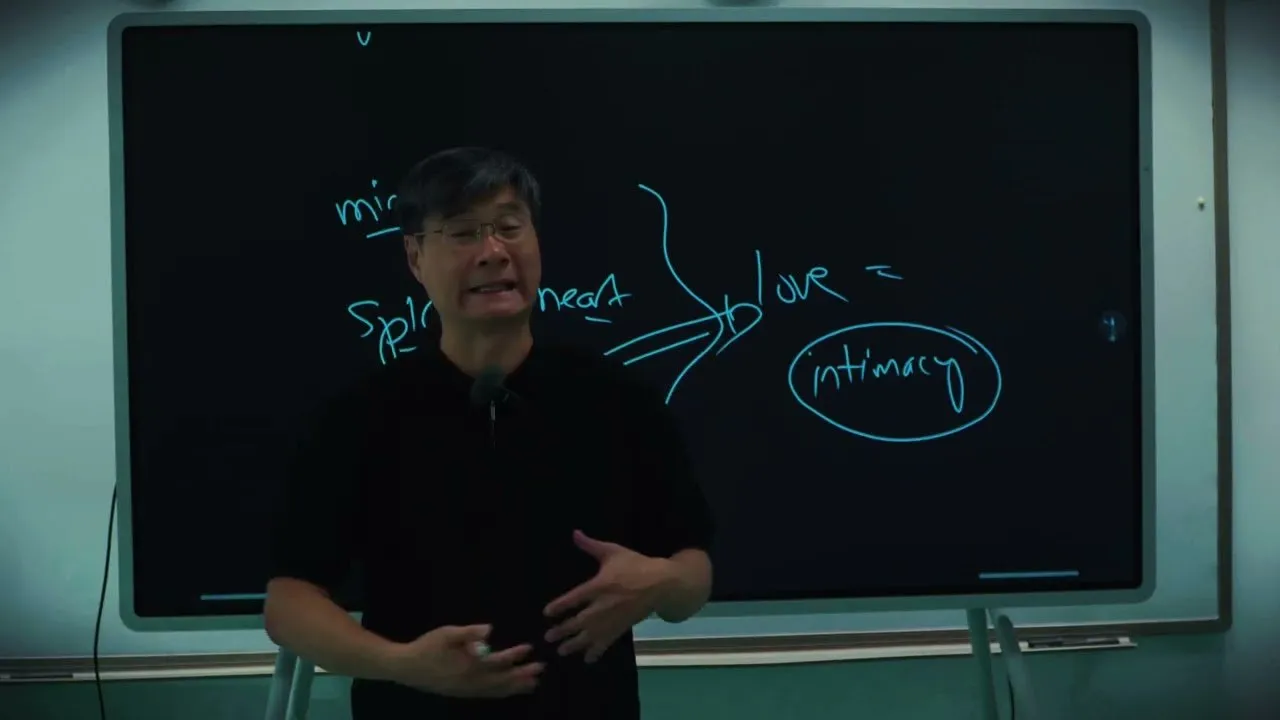
- The Tripartite Self: True wholeness requires the alignment of the mind, the spirit (emotions), and the soul (the core essence).
- Intimacy as Language: Authentic love is demonstrated not through grand gestures, but through a unique, intimate language of shared secrets and understanding.
- The Myth of Glory: As Achilles admits from the underworld, the pursuit of fame and empire is fleeting compared to the enduring value of family and love.
- Reconstruction of Identity: Odysseus’s ability to string his bow serves as a metaphor for the resurrection of his soul and the restoration of his purpose.
The Anatomy of Love and Disconnection
To understand the depth of the Odyssey, one must view consciousness as a unified field. We often feel separate from others because our ego perceives reality through the lens of time and space. Love acts as the fundamental force—or monad—that draws us back into unity. When this connection is severed, we experience deep cognitive dissonance, manifesting as depression or a fractured sense of self.
For the family of Ithaca, their suffering stems from a misalignment of the three planes of existence: the mind, the spirit, and the soul. While their souls remain connected, their minds and spirits are weighed down by the trauma of war and the long years of separation. The narrative of the epic is the process of bringing these disparate planes into a single, cohesive worldview.
Intimacy Versus Public Performance
Homer contrasts true intimacy with empty, public performance. During the visit to Sparta, Helen and Menelaus demonstrate a marriage defined by narrative dissonance. They tell stories, but they do not hear each other. Their communication is performative, serving their own egos rather than fostering a bond. In contrast, the eventual reunion of Odysseus and Penelope relies on a "secret language"—an intimate code that validates their identity and reconnects their fractured spirits.
The Secret Code of the Bed
When Odysseus returns home in the guise of a beggar, his interaction with Penelope is a masterclass in multi-dimensional communication. He speaks to her as a stranger, yet he weaves details into his speech that only a true partner would recognize. This is best exemplified by the golden brooch and, most significantly, the story of their bed.
"There’s our secret sign. I tell you our life story. Does the bed my lady still stand planted firm? I don't know."
Penelope’s test regarding the bed is not merely an act of skepticism; it is an investigation into the foundation of their life. The bed, built around a living olive tree, represents the immovable nature of their love. By confirming its existence, Odysseus proves that he is not the war-hardened soldier who left for Troy, but the husband who remains anchored to the family he created. This exchange reconciles their histories and allows their spirits to finally align.
Resurrecting Purpose: The Bow and the Soul
The climax of the Odyssey—the stringing of the bow—is often viewed as an act of martial prowess, but it is symbolically a resurrection. Odysseus, having felt his identity shattered by the horrors of war, must prove to himself and his son that he is still the master of his own fate. When he strings the bow, his mind, spirit, and soul are finally in unison.
This alignment is what makes him invincible. It is not just strength that allows him to succeed, but the fact that he is fighting for the right reasons: for his family, for justice, and for the restoration of his home. The gods themselves recognize this harmony, marking his success with a sign from the heavens.
The Lesson of the Underworld
Perhaps the most poignant moment in the epic occurs when Odysseus encounters the spirit of Achilles in the underworld. Despite the vast fame and glory Achilles achieved in life, he expresses deep regret. He realizes that all the accolades of a hero cannot compare to the simple, human connections he abandoned.
"I'd rather slave on earth for another man, some dirt poor tenant farmer who scrapes to keep alive, than rule down here over all the breathless dead."
Achilles’s lament serves as the ultimate moral anchor for the reader. It asserts that the pursuit of personal legacy, empire, or fame is hollow. The true purpose of life is found in the intimacy of relationships and the construction of a loving family. This wisdom became the bedrock of Greek civilization, emphasizing that while empires rise and fall, the love that binds individuals together is the only legacy that truly sustains the human experience.
Conclusion
The journey of the Odyssey is a reflection of the universal human struggle to maintain one's soul amidst the chaos of the world. By navigating the fractures of their own identity and the heavy toll of separation, Odysseus and his family eventually reclaim their unity. Their story reminds us that our greatest strength is not found in solitary achievement or the accumulation of power, but in our ability to return, to reconcile, and to cherish the intimate bonds that anchor us to one another.