Table of Contents
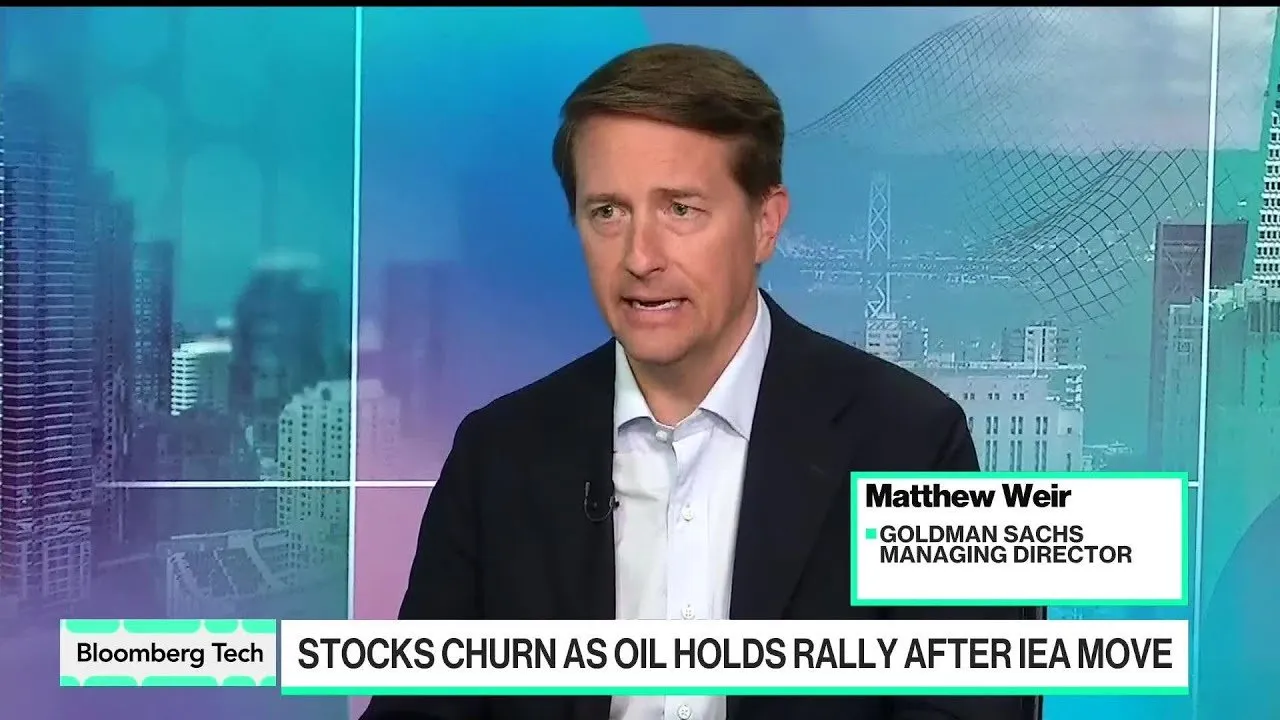
As investors grapple with the massive influx of capital into artificial intelligence, questions regarding the actual return on investment (ROI) have taken center stage in equity markets. Goldman Sachs strategist Matthew Weir recently addressed these concerns, noting that while the scale of investment is unprecedented, it remains balanced within the broader context of the U.S. economy, with corporate earnings serving as the primary anchor for future market performance.
Key Points
- Earnings Growth: Goldman Sachs projects a 10% earnings growth for the S&P 500 this year, supported by an anticipated real GDP growth of 2.4%.
- Investment Balance: Despite the surge in AI-related spending, total capital formation as a share of GDP currently sits at levels comparable to 2018, suggesting the tech boom is not yet overextended.
- Software Sector Outlook: While recent market anxiety has targeted the software industry, analysts characterize the shifts as an evolution of the sector rather than an existential crisis.
- Geopolitical Resilience: Historical analysis of geopolitical shocks suggests that equity markets typically recover and exceed pre-conflict levels within eight weeks of an initial sell-off.
The Earnings-Driven Market
The debate surrounding AI ROI has intensified as market participants look beyond capital expenditure (CapEx) to evaluate the health of technology firms. According to Weir, investors must maintain a disciplined focus on earnings, which historically dictate 80% to 90% of equity returns. While Goldman Sachs remains optimistic about the trajectory of the S&P 500, the firm anticipates a total return of approximately 7%. This figure accounts for the expectation that current valuation multiples may moderate from their elevated levels, even as corporate profitability expands.
"The outlook for prices is really predicated on do you expect earnings to grow? And we do think so. We think earnings growth for the S&P 500 will be about 10% this year. That is largely predicated on an economy that we think will be growing above trend."
Navigating Sector Anxiety and Geopolitics
The software industry has faced significant scrutiny recently, with some investors questioning the long-term viability of current AI-focused business models. Weir pushed back against the narrative of a bubble, comparing the current skepticism to historical periods of doubt, such as the 2008 financial crisis or the onset of the COVID-19 pandemic. He suggests that what observers perceive as potential failure is simply the natural, competitive evolution of the tech landscape.
Furthermore, external pressures—specifically geopolitical instability in the Middle East—have weighed on investor sentiment. However, Goldman Sachs data covering the past 40 years indicates that markets are historically resilient to such shocks. In 95% of past instances involving U.S. military engagement in the region, equity markets returned to or exceeded their pre-strike levels within eight weeks, bolstered by a return to fundamental economic drivers.
AI and the Future of Labor
Beyond immediate market metrics, the structural impact of AI on the labor market remains a critical long-term consideration. Goldman Sachs estimates that AI could displace roughly 1 million jobs annually; however, this must be viewed through the lens of creative destruction. With approximately 25 to 30 million jobs typically lost or created in the U.S. each year, the firm views technological innovation as a feature of the American economy rather than a systemic risk.
"We think technological innovation is a feature and not a bug of the US equity market and the US economy. The US economy is by far the most innovative globally. It's a key reason that we recommend our clients be strategically overweight US assets."
Moving forward, the focus for institutional investors remains on how AI-driven productivity gains will manifest in bottom-line results. While the short-term adjustment period may be challenging for specific sectors, Goldman Sachs expects that the long-term net impact of AI integration will prove additive to both corporate value and the broader national economy, reinforcing the firm’s strategy of maintaining an overweight position in U.S. assets.