Table of Contents
Gary Shapiro, CEO and Executive Chairman of the Consumer Technology Association (CTA), has outlined a strategic shift for this year’s Consumer Electronics Show (CES), emphasizing a move beyond theoretical artificial intelligence toward tangible advancements in robotics, accessibility, and human longevity. While AI remains the underlying infrastructure for modern innovation, the upcoming event will highlight how these technologies are being physically deployed across industries ranging from heavy agriculture to personal healthcare.
Key Takeaways
- Robotics Renaissance: The event features a significant expansion in robotics, moving beyond industrial arms to include humanoid, agricultural, and task-specific machines.
- Focus on Accessibility: A new dedicated stage will showcase technology designed for the disability community, fostering direct dialogue between advocates and engineers.
- Startup Ecosystem: The "Eureka Park" sector will host over 1,200 startups, supported by subsidies to ensure low barriers to entry for new innovators.
- Global and Policy Nexus: With 40% of attendees hailing from outside the U.S., the event has evolved into a critical venue for global policy discussions involving leaders from the FCC, FTC, and the White House.
Beyond the AI Hype: Robotics and Mobility
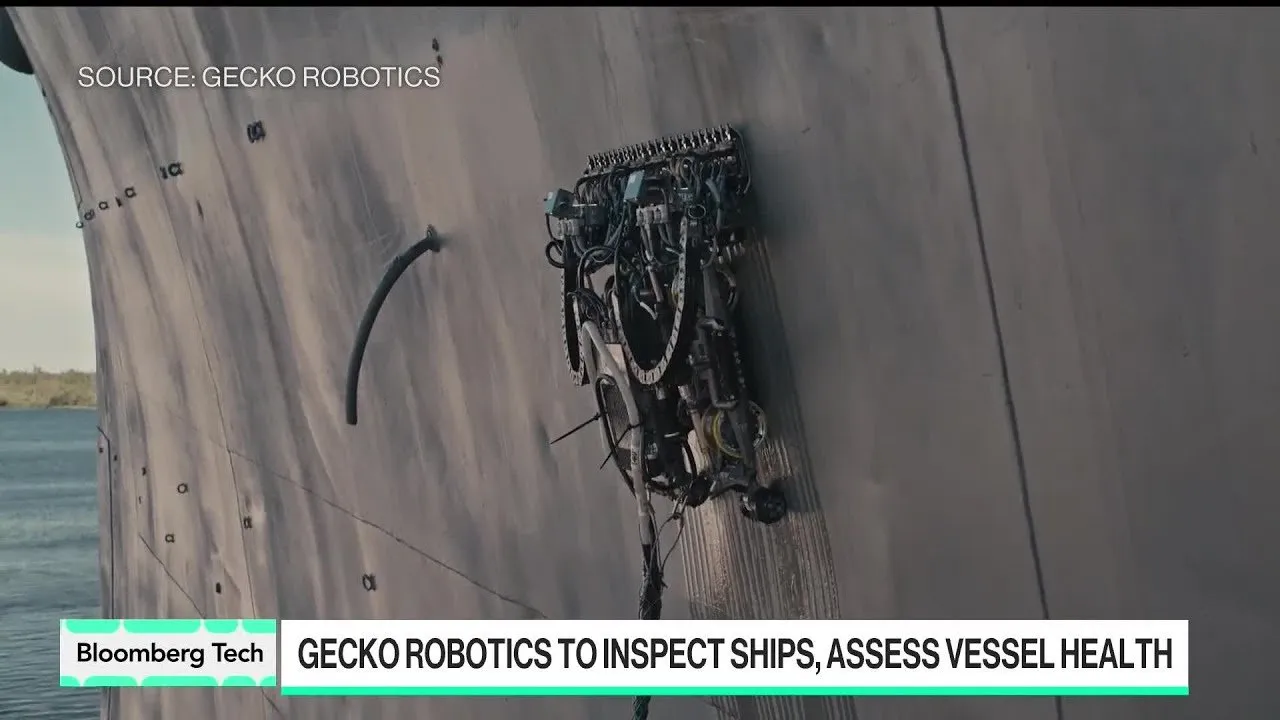
While artificial intelligence continues to dominate headlines, Shapiro urges industry watchers to look at the physical manifestations of this technology. The "sleeper trends" of the year are found in the practical application of AI within hardware, particularly in the robotics and mobility sectors. This evolution encompasses a broad spectrum of machinery, from humanoid robots to specialized agricultural technology, such as innovations presented by keynote speakers from Caterpillar. Mobility is also diversifying beyond the traditional automotive focus. The event will feature advancements in air and water transport, signaling a broader interpretation of how technology moves people and goods.
"Robotics is clearly here in a bigger way than it ever has been with all sorts of different types of robots from humanoid to specific task robots to even... industrial robots. Also technology which will expand your lifespan."
Empowerment Through Accessibility Tech
A major focal point for the CTA this year is the intersection of technology and the disability community. Shapiro highlighted a new, dedicated stage for accessibility technology, designed to facilitate a "two-way dialogue" between tech companies and disability advocates. This initiative aims to demonstrate how innovations, including autonomous vehicles, can serve as vital enablers for older adults and individuals with disabilities.
"The companies here hear from disability advocates and they realize they have technology which can make a difference. Technology is such a great enabler in so many ways... it’s empowering."
Democratizing Innovation in Eureka Park
Despite the presence of industry giants like Samsung and LG, the core culture of CES remains rooted in emerging business. Shapiro emphasized the importance of "Eureka Park," a specialized area hosting over 1,200 startups. The CTA maintains strict but accessible standards for this section: exhibitors must display a product introduced within a recent timeframe and fall within consumer or business technology categories. To support these smaller entities, the CTA subsidizes the cost of exhibiting, allowing startups to secure a presence for a few thousand dollars. This investment grants them access to thousands of journalists, investors, and potential corporate acquirers.
"Anyone with an idea can expose it to thousands of journalists... to thousands of buyers, to investors, to potential partners. Good ideas can come from anywhere, anywhere in the world, any size business."
A Global Stage for Policy and Future Tech
The event has solidified its reputation as a global hub, with international attendees comprising 40% of the audience last year. To address the complexities of a global digital economy, the event will host over 1,200 speakers, including high-ranking officials such as the heads of the FCC, the FTC, and the White House Office of Science and Technology. The CTA is also introducing "The Foundry" at the Fontainebleau Hotel, a new venue dedicated to frontier technologies including quantum computing, cybersecurity, and advanced AI. Shapiro notes that the efficiency of the event remains a primary draw for the business community. Data suggests the average attendee conducts 29 meetings during the show, validating the continued relevance of face-to-face interaction in an increasingly digital world.
As the industry looks toward the future, the convergence of major chip manufacturers, platform leaders, and policymakers at CES suggests that the focus is no longer just on what technology can do, but how it can be governed and applied to solve human-centric problems.