Table of Contents
In the complex theater of global conflict, observers often mistake military dominance for the guarantee of victory. We frequently assume that a superpower with infinite resources and advanced weaponry will inevitably crush a smaller, less technologically equipped opponent. However, history tells a different story. To understand why the United States may struggle in its current confrontation with Iran, we must turn to a fundamental concept in game theory: the Law of Asymmetry.
Key Takeaways
- The Trap of Empire: Empires often suffer from internal decay—inequality, elite infighting, and bureaucratic hubris—which eventually turn their structural advantages into fatal weaknesses.
- Asymmetry Advantage: Underdogs like Iran often benefit from higher levels of social cohesion, adaptability, and political will, provided they can avoid the pitfalls of zealotry.
- The Failure of Modern Strategy: Techniques such as civilian-targeted "double-tap" strikes often fail to break a population and, instead, inadvertently galvanize national identity and resilience.
- The Higher Stakes: Beyond material resources or regional influence, modern conflicts may be driven by ideological and metaphysical goals, turning the war into a battle for human consciousness.
The Law of Asymmetry and the Fall of Empires
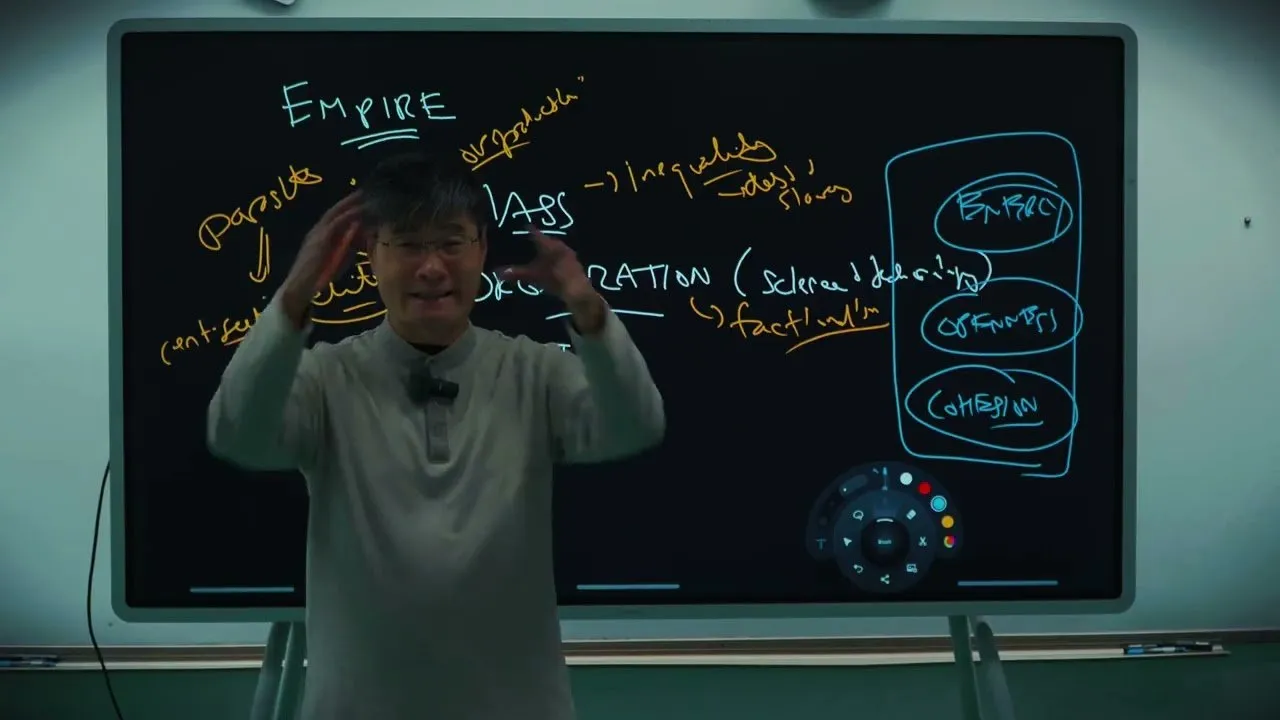
The Law of Asymmetry posits that the underdog—the tribe or the borderland actor—often holds a strategic advantage over the established empire. History is replete with examples of small, motivated groups dismantling sprawling empires, from the Greeks defeating the Persians to tribal forces toppling established regimes. While an empire possesses mass, advanced organization, and the perceived ability to absorb endless losses (death), these very strengths often cultivate the seeds of its own downfall.
From Strength to Stagnation
Over time, the pillars of an empire become its liabilities. Mass populations lead to unchecked competition and wealth inequality, which in turn breeds resentment and complacency. Advanced organization results in an elite class that prioritizes rent-seeking over progress, leading to "elite overproduction"—a phenomenon where too many factions fight over a zero-sum pool of power. Finally, the ability to absorb casualties without immediate collapse fosters hubris, a violent arrogance that blinds leaders to reality and leads them to repeat strategic errors indefinitely.
The empire won't change because of hubris. It's too static. It's too stagnant. It's too bureaucratic.
The American Strategy: Technology, Propaganda, and Money
The United States approaches this conflict with three primary tools: superior technology, near-total control of the information landscape, and the global reserve currency. While these provide a veneer of invincibility, they create critical blind spots. Technology promotes dependency and laziness, eroding the grit required for resilient battlefield innovation. Control over media leads to an echo chamber where leaders insulate themselves from dissenting, reality-based feedback.
Furthermore, reliance on financial incentives—bribing mercenaries or ethnic factions—proves fragile. When you hire an actor to fight for money, they rarely fight for a cause. These "hustlers" may take funding while failing to deliver results, leaving the empire vulnerable to long-term systemic failure and internal exhaustion.
The Iranian Response and Social Transformation
Iran faces the challenge of turning its own limitations into strengths. Success for Iran depends on three factors: energy, openness, and cohesion. While the U.S. strategy focuses on decapitation and civilian destabilization, these actions have counter-intuitive effects. Removing elite leadership can clear the path for more agile, meritocratic governance. Aggressive air campaigns that devastate urban centers tend to collapse the divide between rural and urban populations, forcing a unified national identity born of shared hardship.
Guerrilla Tactics and the Mountain Fortress
By adopting a classic strategy of guerrilla warfare—frequent, low-intensity strikes followed by tactical retreats into its mountainous terrain—Iran can force the U.S. into an endless cycle of conflict. Because the United States lacks the domestic political will for a prolonged, bloody occupation and suffers from limited manufacturing capacity for sustained high-intensity war, it is forced to seek a "quick win." This tension creates a strategic deadlock that favors the defender.
If you are willing to omit your mistakes, if you are willing to learn, if you are willing to promote the best and brightest, you have a huge advantage.
The Metaphysical Dimension of Modern Conflict
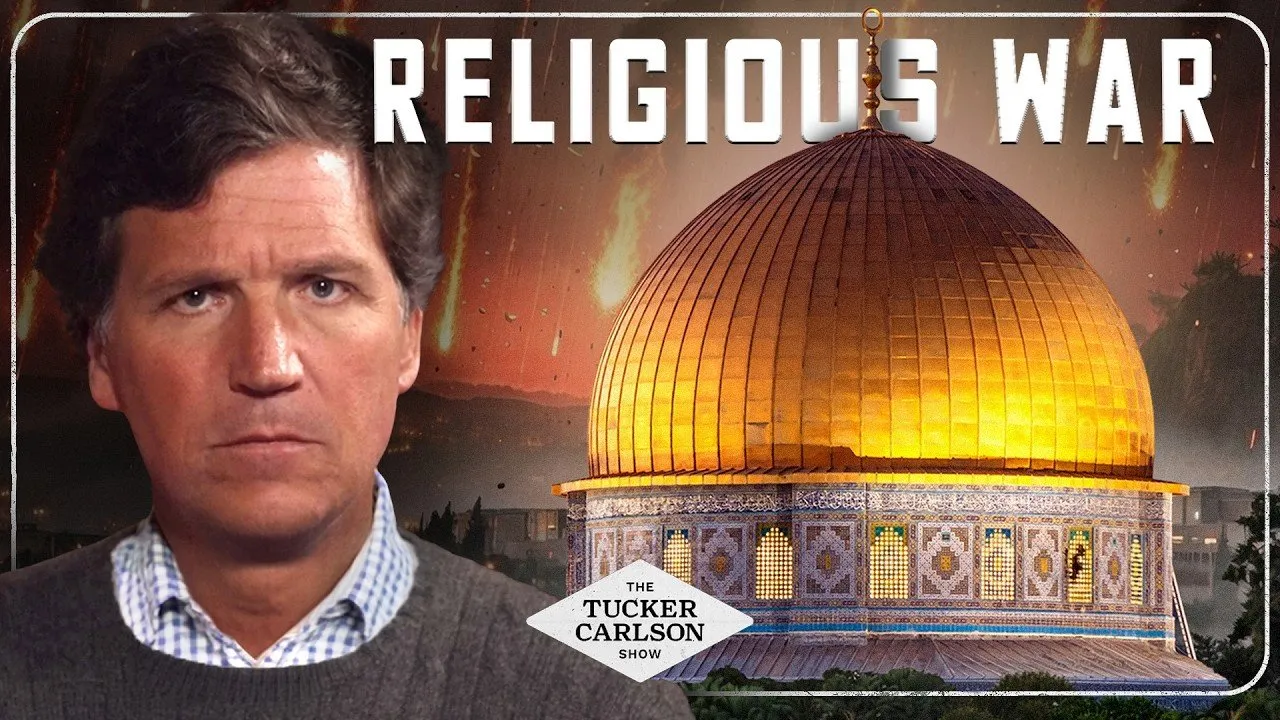
Perhaps the most challenging aspect of this war is understanding its underlying motive. Critics of the current administration argue that the conflict lacks a traditional geopolitical objective. Reports of military leadership framing the conflict as a divine necessity—a "war for Armageddon"—suggest that we may be witnessing a shift away from materialist game theory. If the goal is not resource extraction but rather ideological fulfillment, the standard rules of engagement change entirely.
In this view, the conflict is not merely about borders or nuclear policy. It is a competition for the soul of humanity. When the stakes transition from money and territory to the very nature of human consciousness, traditional diplomatic and strategic frameworks become obsolete. Whoever controls the collective attention and consciousness of humanity, in this view, controls the fundamental structure of reality itself.
Conclusion
Whether this war is a byproduct of bureaucratic hubris or a manifestation of deeper ideological fervor, the outcome remains tethered to the Law of Asymmetry. History suggests that an empire’s reliance on mass and technology is rarely enough to defeat a cohesive, motivated opponent that is willing to endure hardship. As we look ahead, the critical question remains: will the United States continue to be blinded by its own systemic hubris, or will it recognize that the true battleground is far more complex than a simple contest of firepower? For the observer, the lesson is clear: watch for the internal transformation of the combatants rather than the surface-level display of their munitions.