
Table of Contents
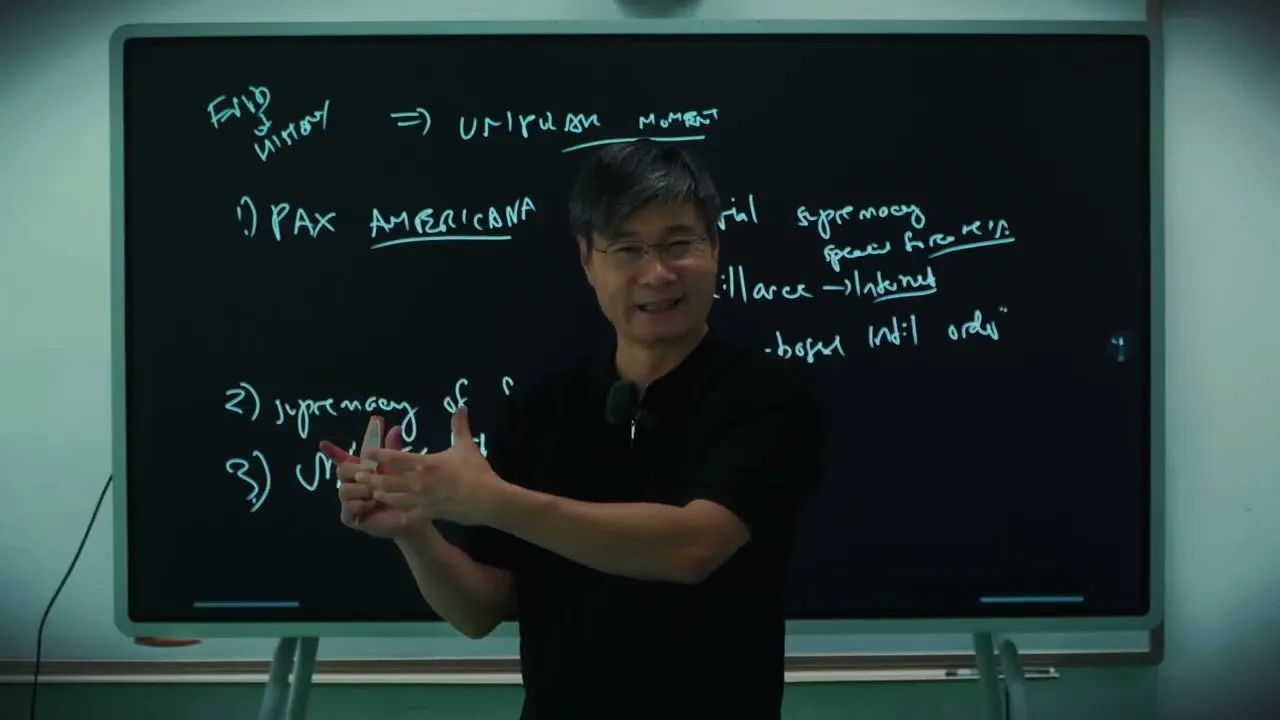
For decades, the global order has been defined by a concept known as the "unipolar moment"—a period of unprecedented American hegemony following the end of the Cold War. During this era, capitalism, globalization, and the promise of a liberal, consumer-driven democracy seemed to represent the final destination of human history. However, as the geopolitical landscape shifts and historical cycles turn, we find ourselves at the end of this era. Understanding the decline of this order is essential to navigating the volatile, uncertain future that lies ahead.
Key Takeaways
- The Decline of Pax Americana: The global system of surveillance, military dominance, and international rules-based order is fracturing due to institutional decay and arrogance.
- Efficiency vs. Resilience: Future survival depends on moving away from the globalized, profit-at-all-costs mindset toward building local, resilient communities capable of weathering severe crises.
- The Aging Crisis: A generational power imbalance, where aging populations retain control over wealth and policy, poses a significant threat to the stability of Western industrial nations.
- Resource Dependency: Our global economy is built on a foundation of cheap petroleum; disruptions to this supply chain threaten the stability of food, water, and technological infrastructure.
The Three Pillars of the Unipolar Moment
To grasp why the world is changing, we must first look at the foundations of the post-Cold War era. The first pillar, Pax Americana, established a global order maintained by American military superiority, intelligence agency influence, and the projection of power through both traditional conflict and multilateral organizations. This created an environment where global trade flourished, particularly in East Asia, which benefited immensely from the stability of this era.
Science and Currency
The second pillar was the supremacy of science. As traditional religious structures waned, the scientific community emerged as a new, international priesthood. This hierarchy, dictated by elite journals and institutional recognition, often prioritized orthodoxy over radical innovation. The third pillar, the universality of the US dollar, incentivized global accumulation, creating a financial standard that underpinned almost every major transaction on Earth.
"The problem though is that over time these three pillars started to decay. Pax Americana started to itself ignore the rules international order which itself created."
The Shift Toward Resilience
The current global economic model prioritizes efficiency—making goods as cheaply as possible to maximize profit. In a stable, globalized world, this is a winning strategy. However, we are moving toward a period defined by crises, where the primary goal must shift to resilience. A system that is hyper-efficient often lacks the redundancy needed to survive sudden shocks, such as a collapse in energy trade or disruptions to global supply chains.
Surviving the Crisis
Nations that wish to survive this transition must make difficult, fundamental changes. These include:
- Spiritual Rejuvenation: Moving beyond pure materialism to give populations a reason to endure hardship.
- Community Focus: Shifting away from hyper-individuality toward strengthening family and local community ties.
- Intergenerational Power Transfer: Finding a mechanism to shift influence from aging leadership to younger generations, a task that remains one of the most difficult challenges for modern societies.
The Fragility of Global Infrastructure
Our modern lifestyle is an illusion built on the back of cheap petroleum. From the fertilizer needed to sustain a global population of eight billion to the plastic components of our technology, petroleum is the hidden foundation of everything. When trade routes are disrupted, the impact on food security and water access is immediate and devastating.
The Vulnerability of Mega-Cities
Mega-cities, which have become the focal points of the globalized economy, are inherently fragile. They exist only because of complex, interconnected supply chains. In an age of volatility, this concentration of population represents a significant risk. Future stability may require a shift back toward smaller, self-sufficient communities capable of sustaining themselves through local agriculture and resource production.
"This is a world that is heavily globalized, capitalistic, and very individualistic. And this is a very unique moment in human history. And we've come with this one, to the end of this moment."
A Future of Regional Trading Blocks
As the unipolar moment ends, the world is likely to retreat into regional trading blocks, moving toward a form of mercantilism. While global trade will not vanish, it will become far more localized and expensive. Just as in the 16th and 17th centuries, power will shift toward regional hegemons who secure their own trade networks. Nations will prioritize defending their borders and ensuring their own domestic survival over maintaining a singular, globalized status quo.
"If you are to be resilient, you actually want most of your population not in cities but in the countryside growing food because first of all they are self-sufficient."
Conclusion
We are not merely witnessing a temporary dip in global stability; we are observing the fundamental transformation of the world order. The strategies that worked in the 1990s and early 2000s—unbridled globalization, debt-fueled growth, and dependency on cheap foreign energy—are becoming obsolete. Adapting to this new environment requires a radical reassessment of priorities. Those who recognize the shifting tides and begin the work of building internal, national, and communal resilience will be the ones positioned to thrive, while those who cling to the past will likely face the full brunt of the coming transitions.

![Trump Market Manipulation Will Trap You! [This Happens Next]](/content/images/size/w1304/format/webp/2026/03/trump-market-manipulation-volatility-warning.jpg)
