Table of Contents
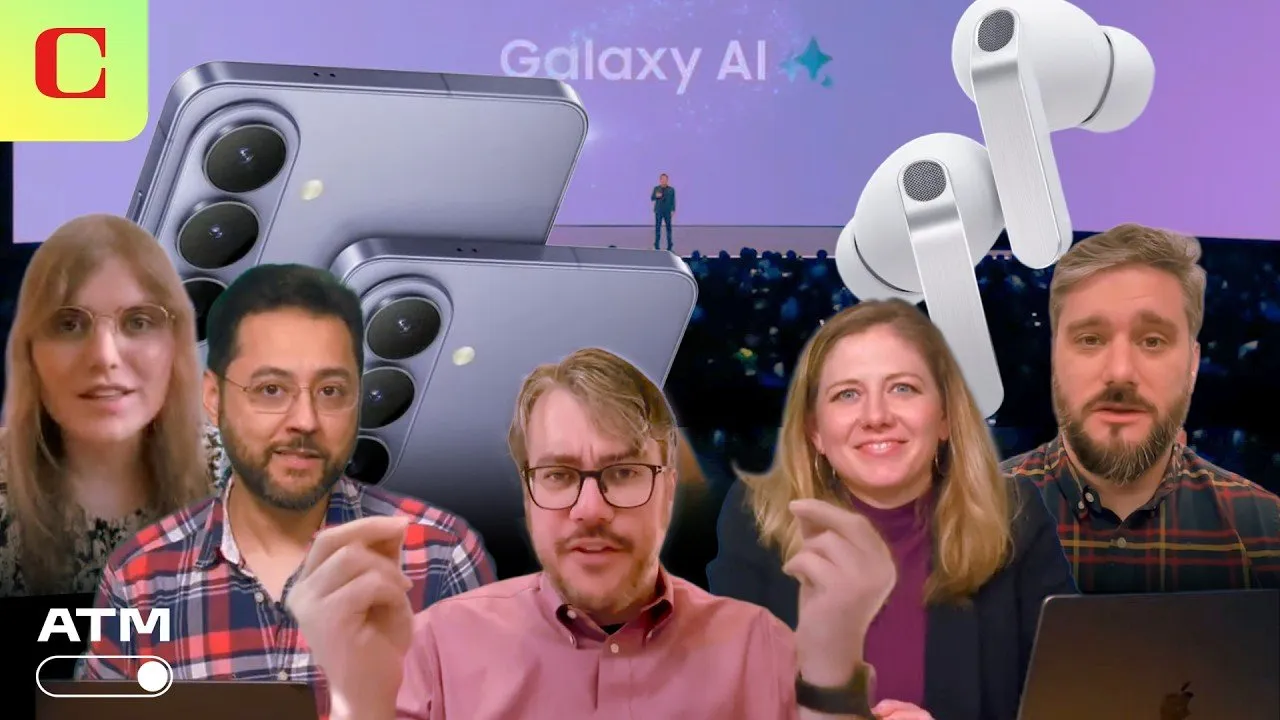
Samsung has officially unveiled its flagship Galaxy S26 series at the Galaxy Unpacked 2026 event, signaling a pivot from generative tools to "Agentic AI" in the mobile ecosystem. The new lineup, comprising the S26, S26+, and S26 Ultra, introduces autonomous software agents designed to execute complex multi-step workflows with minimal user intervention. This launch represents Samsung’s most aggressive attempt to date to redefine the smartphone as a proactive personal assistant rather than a reactive communication device.
Key Points
- The debut of Galaxy Agent, an autonomous AI system capable of managing cross-app tasks, scheduling, and digital logistics without manual prompting.
- Integration of the Snapdragon 8 Gen 5 and Exynos 2600 chipsets, specifically architected to handle local, high-speed Agentic AI processing.
- Significant hardware upgrades for the Galaxy S26 Ultra, including a refined titanium chassis and a 200MP ISOCELL sensor optimized for AI-enhanced low-light photography.
- Enhanced ecosystem connectivity, allowing the Galaxy Agent to interface directly with smart home devices and third-party productivity suites through a unified One UI 8 interface.
The Transition to Agentic AI
The centerpiece of the 2026 hardware refresh is the transition from standard generative AI to Agentic AI. While previous models focused on content creation and photo editing, the Galaxy S26 utilizes "Active Intent Recognition" to perform tasks autonomously. According to Samsung’s presentation, the device can now interpret nuanced requests—such as "organize my travel for next week"—by accessing emails, booking flights via third-party apps, and syncing itineraries to the calendar without the user opening a single application.
Industry experts attending the event noted that this shift addresses the "app fatigue" currently affecting the premium smartphone market. By placing an agentic layer between the user and the operating system, Samsung aims to streamline digital interactions. Technical editors have highlighted that this level of autonomy requires immense computational power, which Samsung has addressed through a partnership with Qualcomm to optimize NPU (Neural Processing Unit) performance.
"Samsung is no longer just selling a smartphone; they are selling a digital concierge that operates on the edge. This shift to agentic behavior marks the most significant change in mobile UX since the introduction of the multi-touch screen."
Hardware Performance and Professional Utility
To support the heavy background processing required by Galaxy Agent, Samsung upgraded the internal architecture across the entire S26 family. The Galaxy S26 Ultra now features 16GB of LPDDR6 RAM as standard, providing the necessary bandwidth for on-device AI models to run without latency. The display technology has also seen an evolution, with the new Dynamic AMOLED 3X panels reaching a peak brightness of 3,200 nits, ensuring clarity under direct sunlight.
Imaging and Spatial Intelligence
Beyond software agents, the Galaxy S26 Ultra leverages its new processor for "Spatial Intelligence." The camera system uses a LiDAR enhancement to map environments in real-time, allowing the AI to understand the context of photos and videos more deeply. This hardware-software synergy enables features like "Pro-Active Framing," where the device suggests the best angles and lighting adjustments before the shutter is even pressed.
Market Implications and Industry Competition
The move into Agentic AI places Samsung in a leadership position as competitors like Apple and Google race to integrate similar autonomous capabilities into their respective ecosystems. By being first to market with a dedicated "Agent" brand, Samsung is targeting the high-end professional demographic that prioritizes productivity and time-saving features. Market analysts suggest that if Samsung can prove the reliability and security of these autonomous agents, it could trigger a significant upgrade cycle among enterprise users.
Pre-orders for the Galaxy S26 series are expected to begin immediately following the event, with global retail availability scheduled for the end of the month. As the first wave of users begins to test the boundaries of Galaxy Agent, the tech industry will be watching closely to see if autonomous AI can truly deliver on the promise of a more efficient mobile experience. The success of this launch will likely dictate the roadmap for mobile hardware and software integration for the remainder of the decade.