Table of Contents
Consumers considering Samsung’s Galaxy S25 Ultra may find superior value in its predecessor, as market analysis reveals the Galaxy S24 Ultra delivers virtually identical real-world performance for half the cost. Despite the technical specifications of the latest model, the 2024 flagship remains a viable powerhouse with software support guaranteed through the next decade, challenging the necessity of annual hardware upgrades.
Key Points
- Market Value: The Galaxy S24 Ultra is currently available on the used market for approximately 50% of the price of the new S25 Ultra.
- Performance Parity: despite the S25 featuring the newer Snapdragon 8 Elite chip, real-world tasks like gaming and editing show negligible differences compared to the S24.
- Long-Term Support: Samsung’s commitment to seven years of updates ensures the S24 Ultra remains secure and functional until 2031.
- Identical Features: Both generations share critical specs, including 200MP main cameras, 5,000 mAh batteries, and full access to Samsung’s AI suite.
Analyzing the Generation Gap
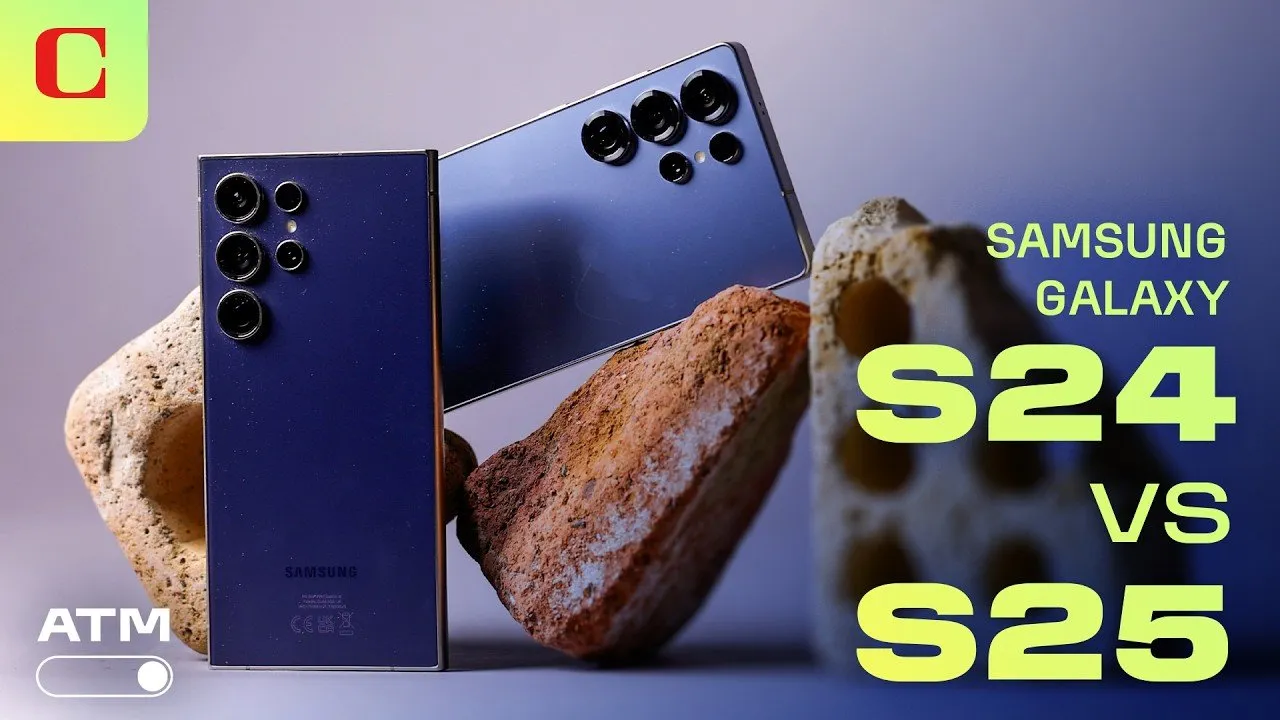
In the highly competitive smartphone market, the distinction between annual flagship releases has become increasingly blurred. A direct comparison between the newly released Galaxy S25 Ultra and the previous generation’s S24 Ultra highlights a stagnation in tangible user innovation, despite the price premium commanded by the newer device.
On paper, the devices are remarkably similar. Both feature massive high-resolution displays with identical refresh rates, titanium frames, IP68 water resistance, and 12GB of RAM. While manufacturers typically rely on camera upgrades to drive sales, the hardware shifts here are minimal. The S25 Ultra introduces a 50-megapixel ultra-wide sensor, yet the primary 200MP shooter remains largely unchanged, producing images indistinguishable from its predecessor in standard blind tests.
"From a purely numbers perspective, there is very little to choose between the S25 Ultra and the S24 Ultra. Certainly nothing really that justifies it being more than twice the price."
Processing Power vs. Real-World Utility
The most significant technical divergence lies in the silicon. The Galaxy S25 Ultra utilizes a custom version of Qualcomm's Snapdragon 8 Elite processor, which benchmarks approximately 25% higher than the Snapdragon 8 Gen 3 found in the S24 Ultra. However, tests indicate that this raw power surplus does not translate to a noticeable difference in daily operations.
High-demand applications, including 3D gaming titles like Genshin Impact and photo editing in Adobe Lightroom, perform flawlessly on the older hardware. The consensus among reviewers is that the S24 Ultra already exceeds the power requirements of the average user, rendering the additional headroom of the S25 Ultra largely superfluous for current software demands.
Software Continuity and Market Implications
Samsung’s shift toward software parity has further eroded the value proposition of the latest hardware. Both devices run Android 16 overlaid with One UI 8, and Samsung has deployed its full suite of AI tools—including Live Translation and Generative Edit—to the older model. Furthermore, both devices integrate Google’s Gemini Live and Circle to Search features.
Crucially, the longevity of the older model is secured by Samsung's extended support policy. The manufacturer committed to seven years of software and security updates for the S24 line, meaning the device will remain current until roughly 2031.
"This S24 Ultra is already a powerhouse. It's just not quite as powerful as this [S25] powerhouse. These phones then are basically identical, except that you can pick one of them up for half of the price of the other."
With the Galaxy S26 Ultra expected to arrive soon, potentially bringing only modest upgrades, the depreciation curve of the S25 Ultra is expected to accelerate. Industry trends suggest that as flagship phones from Apple, Google, and Samsung reach a plateau in hardware innovation, the secondary market will continue to offer the most rational entry point for premium mobile technology.