Table of Contents
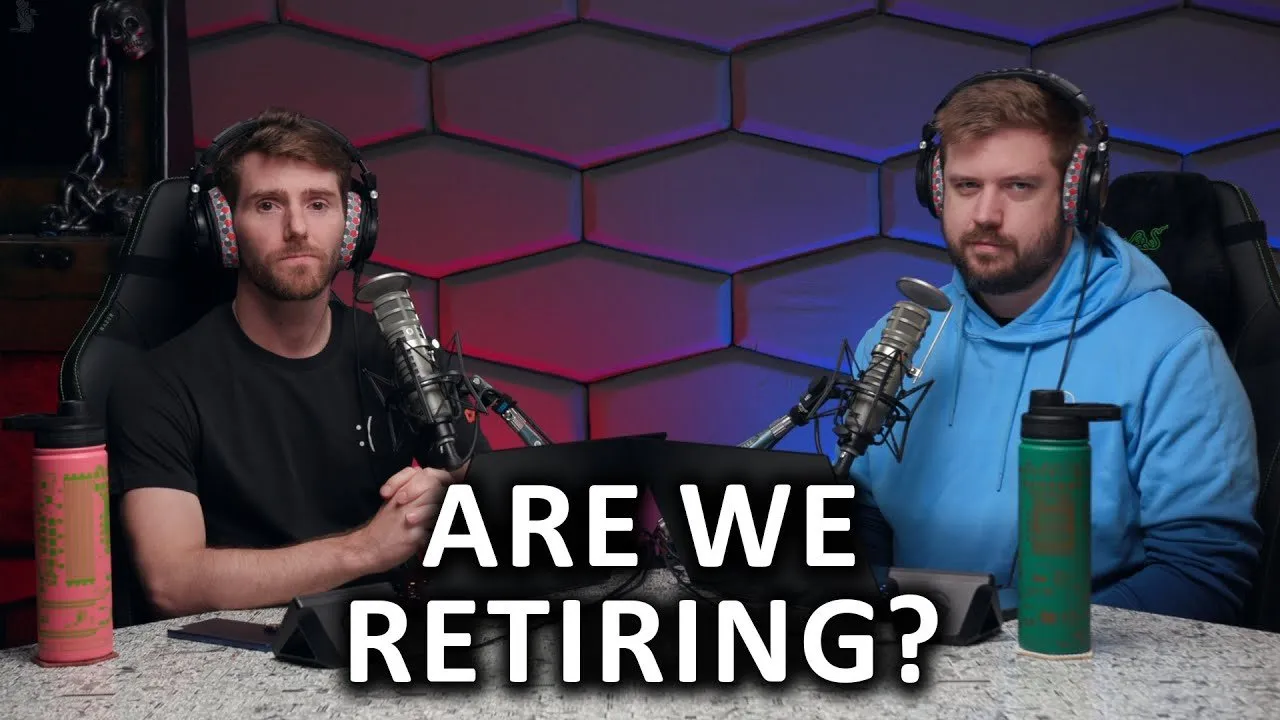
In a broadcast marking a significant structural shift for one of technology’s most prominent podcasts, Linus Media Group (LMG) founder Linus Sebastian and Chief Technology Officer Luke Lafrenier announced a major reorganization of The WAN Show ownership. While the duo solidified the show's long-term future, the episode’s news cycle painted a grim picture for the broader technology sector, highlighting potential skyrocketing GPU prices in early 2026, severe regulatory crackdowns on foreign-made drones, and disturbing allegations regarding algorithmic manipulation in the gig economy.
The January 2, 2026, broadcast served as a bellwether for the year ahead, mixing internal corporate restructuring with analysis of an industry facing supply chain constraints and ethical crises. From the FCC’s aggressive stance on DJI drones to the proliferation of non-consensual AI imagery via Grok, the discussion underscored a tech landscape grappling with the consequences of rapid advancement and geopolitical tension.
Key Points
- Ownership Restructure: The WAN Show is now owned by Adequate Media Inc., a new holding company with a 50/50 equity split between Linus Sebastian and Luke Lafrenier.
- GPU Market volatility: Reports indicate Nvidia and AMD may raise prices in Q1 2026, with rumors of the RTX 5090 reaching a $5,000 MSRP due to supply shifts toward AI and data centers.
- Drone Ban: The FCC has announced a ban on new foreign-made drones (specifically targeting DJI) and critical components, citing national security concerns.
- AI Ethics Crisis: Social media platform X’s AI, Grok, faces severe backlash for generating non-consensual explicit imagery of users, including minors.
- Gig Economy Allegations: A whistleblower alleges major food delivery apps use "desperation scores" to manipulate driver payouts and delay non-priority orders artificially.
Securing the Future of The WAN Show
The episode opened with the formal announcement of a change in the legal structure of the long-running podcast. Historically wholly owned by Linus Media Group (LMG), The WAN Show has been transferred to a new entity, Adequate Media Inc., which lists Sebastian and Lafrenier as equal partners. While operations—including sponsorship sales and production—will still be handled by LMG, the equity split is designed to codify the verbal agreements the hosts have maintained for years.
The move is described not as a shift in creative direction, but as a safeguard for the show's longevity, ensuring that both hosts have a vested financial and legal interest in continuing the program regardless of changes at LMG.
"The WAN show clearly has two people in its soul... I think that for the WAN show to continue to be the WAN show forever, the only right way to safeguard its future was to have it be a Linus-Luke equal partnership. The big change is that the WAN show is safe and that [it] will not change."— Linus Sebastian, Co-host of The WAN Show
Lafrenier emphasized that while the move is largely symbolic for the audience today, it creates a framework that makes a 20-year horizon for the show feasible. Additionally, the hosts announced plans to eventually migrate the livestream from the main Linus Tech Tips YouTube channel to a dedicated channel to streamline notifications and content archiving.
Forecast: The GPU Pricing "Apocalypse" Returns
Moving to industry news, the outlook for PC hardware enthusiasts in 2026 appears increasingly difficult. Reports circulating from Korean supply chain sources suggest that both Nvidia and AMD are preparing for significant price hikes in the first quarter of the year. This inflationary pressure is attributed to rising memory costs and a strategic pivot by manufacturers to prioritize high-margin AI and data center components over consumer-grade hardware.
The most alarming rumor discussed was the potential pricing of the flagship GeForce RTX 5090, which some analysts predict could land near the $5,000 mark—more than double previous flagship launch prices. This trend is reportedly already affecting the channel, with ASUS sending notices to partners regarding strategic price adjustments effective January 5, 2026.
The hosts analyzed the ripple effects of these hikes, noting that entry-level building is suffering disproportionately. While high-end "magnificent" builds remain technically purchasable for those with deep pockets, the budget segment is being squeezed by rising component costs, specifically in DDR5 memory and power supplies.
"Memory costs and broader GPU supply issues are squeezing component prices and makers are said to be shifting more of their production towards AI and data centers which will boost prices across the board... In your time as a tech enthusiast, can you remember a worse start to the new year for the tech industry?"— Linus Sebastian
Regulatory Shockwaves: The FCC Drone Ban
A major blow to the commercial and hobbyist drone market was confirmed as the FCC announced a ban on *new* foreign-made drones and critical drone components from entering the U.S. marketplace. While existing models are currently unaffected, the ruling effectively blocks future hardware from market leaders like DJI and Autel Robotics.
The FCC cites national security risks, including potential surveillance and data exfiltration, as the primary drivers for the policy. However, the decision has sparked immediate backlash from commercial sectors—ranging from agriculture to global mapping—that rely heavily on the affordability and advanced capabilities of Chinese-manufactured hardware.
Lafrenier acknowledged the validity of the security concerns regarding future warfare and domestic manufacturing capabilities but questioned the execution of the ban without viable domestic alternatives in place.
"I understand why they would want to do something like this. Future warfare... is extremely drone based at this point. And if you don't have domestic drones... I can totally understand why that would be very concerning. I think there are other ways to solve this... incentivizing stateside drone companies... without just banning competition."— Luke Lafrenier, CTO of Linus Media Group
The ban extends to critical parts, sending shockwaves through the First Person View (FPV) drone community, which relies on imported motors, flight controllers, and video transmission systems. The hosts predicted a sharp rise in the value of existing DJI inventory and a significant technological lag for U.S. operators compared to international competitors.
Algorithmic Ethics: AI Slop and Gig Economy Manipulation
The broadcast highlighted two distinct but related crises regarding algorithmic ethics: the misuse of Generative AI and the manipulation of gig economy workers.
The Grok Controversy
X’s AI chatbot, Grok, has come under fire for its lack of safeguards regarding image generation. Users have reportedly used the tool to generate non-consensual sexual images of adults and, disturbingly, minors. While developers attempted to patch the issue by removing the media tab, workarounds were quickly discovered.
The discussion raised critical questions about the datasets used to train models like Grok. If an AI can generate specific illicit imagery, it suggests that such imagery may have been present in its training data, raising legal and ethical liability issues for the platform holders.
Delivery App "Desperation Scores"
In a parallel revelation regarding algorithmic opacity, a viral confession from an alleged developer at a major food delivery app exposed predatory practices. The whistleblower claimed the existence of hidden "desperation scores" for drivers. According to the allegations, drivers who consistently accept low-paying jobs are algorithmically profiled and subsequently shown fewer high-paying opportunities, as the system calculates they will work for less.
Furthermore, the report claims that "priority delivery" fees paid by customers do not speed up their orders; instead, the system intentionally delays non-priority orders to create the illusion of value. The hosts criticized these mechanisms as "cartoon villain evil," noting that such efficiency optimizations often come at the direct expense of worker wages and customer service.
Implications and What's Next
The convergence of these stories suggests a turbulent 2026 for the technology sector. The "Tech House" project, a new LMG initiative to test smart home technology in a residential setting, aims to evaluate consumer-grade hardware, but the broader market indicators suggest that acquiring such hardware is becoming increasingly difficult and expensive.
With component shortages looming and regulatory walls going up around foreign tech, consumers may face a year of stagnation and inflation. Simultaneously, the ethical failures of AI platforms and gig economy algorithms are likely to invite further government scrutiny, potentially mirroring the aggressive regulatory stances seen in the drone sector.
As The WAN Show transitions to its new ownership structure, it prepares to cover a year where the barrier to entry for technology enthusiasts is rising, and the digital tools we rely on are becoming increasingly hostile to both users and workers.